
What Is a Serum Electrolytes Test Price?
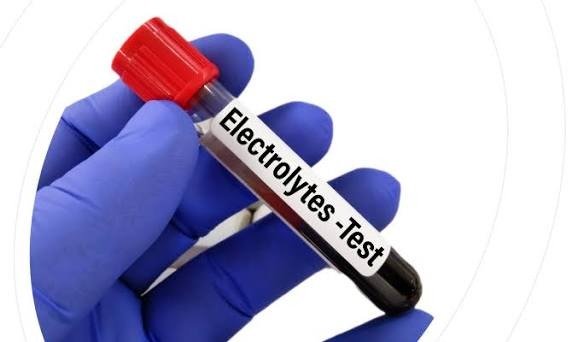
The human body needs a proper balance of minerals to perform its daily functions. These minerals, known as electrolytes, help regulate fluid levels, support muscle movement, maintain nerve activity, and keep the body’s internal systems working properly. A serum electrolytes test is a laboratory investigation that measures important minerals in the blood and helps doctors understand whether their levels are within the expected range.
People searching for serum electrolytes test price often want to learn more about this investigation before visiting a medical laboratory. However, understanding the purpose of the test is equally important. It can provide useful information about the body’s chemical balance and help identify changes that may need medical attention.
Doctors may recommend this test when a patient experiences dehydration, weakness, muscle cramps, irregular heartbeat, or other symptoms that could be related to an electrolyte imbalance. It may also be used to monitor certain medical conditions and evaluate the effects of treatment.
Why Are Electrolytes Important for the Human Body?
Electrolytes are minerals that carry an electrical charge when dissolved in body fluids. They are present in the blood, urine, and other fluids and support several essential body processes. The body needs these minerals in suitable amounts because both low and high levels can affect normal functioning.
Electrolytes help control the movement of water between cells and surrounding tissues. They also support communication between nerves and muscles. The heart depends on a balanced electrical system to maintain a regular rhythm, and electrolytes play an important role in this process.
Changes in electrolyte levels may happen because of fluid loss, certain illnesses, kidney problems, or medication use. A serum electrolytes test helps doctors investigate these changes and understand whether further examination is necessary.
Which Electrolytes Are Measured in This Test?
A standard serum electrolytes test commonly measures sodium, potassium, and chloride. Some laboratory panels also include bicarbonate or total carbon dioxide, depending on the testing requirements and the doctor’s recommendation.
Each electrolyte has a different role in maintaining the body’s internal balance. Measuring these minerals together gives healthcare professionals a clearer picture than looking at one result alone. The exact components included in a test can vary, so patients should confirm which investigations have been requested.
Understanding the purpose of each electrolyte can also help patients learn why their doctor has recommended this particular blood test.
Sodium Levels and Their Role in Fluid Balance
Sodium is one of the main electrolytes found outside the body’s cells. It helps control fluid balance and supports normal nerve and muscle activity. The kidneys play an important role in regulating sodium levels by controlling how much sodium is retained or removed from the body.
When sodium levels become too low, a condition known as hyponatremia may develop. Depending on its severity and how quickly it occurs, it can cause symptoms such as headache, nausea, confusion, weakness, and, in serious cases, seizures.
High sodium levels, known as hypernatremia, may occur when the body loses too much water or does not receive enough fluid. A serum electrolytes test helps doctors measure sodium levels and investigate possible reasons for an imbalance.
Potassium Testing and Heart Function
Potassium is essential for normal muscle contraction, nerve communication, and heart activity. The body maintains potassium levels within a narrow range because even significant changes can affect the electrical signals responsible for normal heart rhythm.
Low potassium levels may cause muscle weakness, cramps, tiredness, or changes in heartbeat. High potassium levels can also be serious and may affect the heart’s electrical activity. Some people may not experience noticeable symptoms, which makes appropriate medical testing important when a doctor suspects an imbalance.
Kidney function, certain medicines, fluid loss, and other health conditions can influence potassium levels. Doctors may recommend potassium testing as part of a broader evaluation or when monitoring patients with particular medical needs.
Understanding Chloride and Bicarbonate Levels
Chloride works alongside sodium to maintain fluid balance and support the body’s normal chemical environment. It also contributes to maintaining an appropriate balance between acids and bases in the blood. Changes in chloride levels may be associated with dehydration, fluid loss, and certain kidney or metabolic conditions.
Bicarbonate is another important component that may be included in an electrolyte panel. It helps regulate the body’s acid-base balance and provides information about how the body maintains a stable internal environment.
When chloride and bicarbonate results are considered together with sodium and potassium, doctors can better understand certain changes in the body’s fluid and chemical balance. These results are interpreted according to the patient’s symptoms and other medical findings.
When Should a Doctor Recommend a Serum Electrolytes Test?
A doctor may recommend this investigation when a patient has symptoms that suggest an electrolyte imbalance. Persistent vomiting, diarrhea, excessive sweating, dehydration, and unusual muscle weakness may create a need for further evaluation.
The test may also be recommended for people with kidney-related conditions, heart problems, or illnesses that affect fluid regulation. Patients taking certain medicines, including some diuretics, may need electrolyte monitoring because these medicines can influence mineral levels.
In some cases, the test is included in routine medical investigations or hospital assessments. The decision depends on the patient’s condition, medical history, and the information needed by the healthcare professional.
Common Signs of an Electrolyte Imbalance
Electrolyte imbalances can produce different symptoms depending on which mineral is affected and how much its level has changed. Some people experience general weakness, tiredness, muscle cramps, or headaches. Others may notice nausea, dizziness, unusual thirst, or changes in urination.
More serious imbalances can affect the nervous system and heart. Confusion, severe weakness, seizures, or an irregular heartbeat require urgent medical attention. Symptoms alone cannot confirm an electrolyte problem because many other health conditions can produce similar signs.
A blood test provides measurable information that helps doctors investigate the possible cause. Patients should avoid trying to diagnose or correct an electrolyte imbalance without professional guidance.
How Is a Serum Electrolytes Test Performed?
The serum electrolytes test is generally performed using a blood sample collected from a vein in the arm. A trained laboratory professional cleans the collection area and uses appropriate equipment to draw the required sample.
The sample is then labeled and sent for laboratory analysis. Specialized testing equipment measures the selected electrolytes and produces results for review. Proper sample identification and handling are important because mistakes during collection or processing can affect the reliability of a report.
The procedure usually takes only a short time. Some people may feel slight discomfort when the needle is inserted, but serious complications are uncommon when standard collection and safety procedures are followed.
Preparation Before Giving a Blood Sample
Preparation requirements depend on the tests requested and the patient’s medical situation. A serum electrolytes test alone may not always require fasting, but a doctor may request it alongside other investigations that have different preparation instructions.
Patients should follow the guidance provided by their healthcare professional or laboratory. They should also inform the medical team about medicines, supplements, and any relevant medical conditions. Some medicines can influence electrolyte levels, so this information may help doctors interpret the results correctly.
Patients should not stop prescribed medication or change their fluid intake simply to influence a test result. Any changes should be made only under appropriate medical advice.
Understanding Your Serum Electrolytes Test Report
After laboratory analysis, the results are presented in a report showing the measured electrolyte levels. Each result is generally compared with a reference interval established by the laboratory. These intervals may vary according to testing methods and laboratory standards.
A result outside the reference interval does not automatically confirm a serious disease. It may be related to temporary fluid changes, medication use, an underlying condition, or other factors. Doctors consider the complete report alongside symptoms, medical history, physical examination, and additional investigations.
Patients should discuss unusual results with a qualified healthcare professional rather than making treatment decisions independently. Proper interpretation helps identify whether repeat testing, further investigation, or medical care is required.
Factors to Consider When Searching for Serum Electrolytes Test Price
People searching online for serum electrolytes test price may find different information because laboratory services can vary in several ways. The exact test panel, testing method, laboratory facilities, and included services can influence what a patient receives.
Before choosing a laboratory, it is helpful to confirm which electrolytes are included in the requested investigation. Patients should also understand whether the test is part of a larger panel or has been requested separately. Clear information about sample collection, reporting, and preparation can make the testing process easier.
The main priority should be selecting a laboratory that follows suitable quality control procedures and provides clear, properly documented results. Reliable diagnostic testing is important because doctors use this information to guide medical decisions.
Choosing a Reliable Laboratory for Electrolyte Testing in Lahore
When arranging a serum electrolytes test in Lahore, patients should look for a laboratory with trained staff, suitable testing equipment, and established sample handling procedures. A clean collection environment and proper patient identification are also important parts of professional laboratory services.
It is useful to select a laboratory that explains the testing process and provides clear instructions before sample collection. Patients should be able to ask questions about the requested test and understand how they will receive their reports.
Quality management is another important consideration. Laboratories that regularly monitor their equipment and testing procedures can support more consistent results. Choosing a professional diagnostic facility helps patients feel more confident about their testing experience.
Conclusion: Make Informed Decisions About Your Serum Electrolytes Test
A serum electrolytes test is an important diagnostic investigation that helps doctors evaluate the body’s mineral and fluid balance. By measuring sodium, potassium, chloride, and sometimes bicarbonate, this test provides useful information about several essential body functions.
People searching for serum electrolytes test price should also understand the test’s purpose, preparation requirements, and the importance of accurate laboratory results. Whether the investigation is recommended for dehydration, muscle weakness, kidney monitoring, or another medical concern, professional testing and proper interpretation are essential.
A reliable laboratory, careful sample collection, and guidance from a qualified doctor can make the process more effective. Understanding your electrolyte levels is one way to stay informed about your health and support timely medical care.