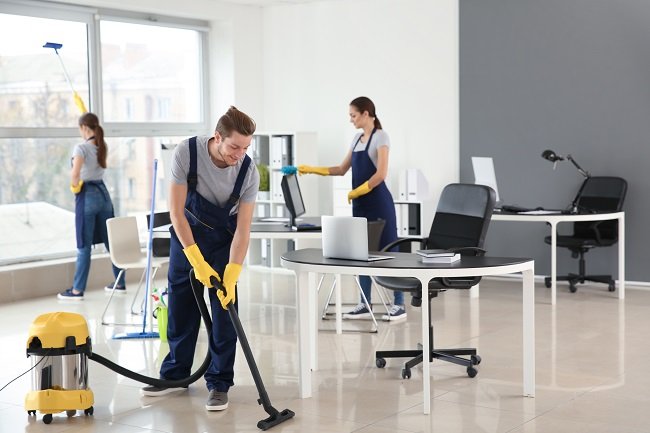

Maintaining a clean, hygienic and organised workplace is essential for every successful business. Whether it is an office, retail store, educational facility, warehouse or commercial property, cleanliness directly influences employee wellbeing, customer confidence and the overall working environment. A professionally maintained workplace also helps businesses create a positive first impression while supporting everyday operations.
In a busy commercial environment, regular cleaning is more than simply removing visible dirt. It involves maintaining hygiene standards, managing waste, preventing the build-up of dust and bacteria, and ensuring that frequently used areas remain presentable. This is why many organisations choose commercial cleaning birmingham services to maintain their premises consistently and professionally.
Birmingham has a diverse business community, including corporate offices, independent retailers, hospitality businesses, educational establishments and industrial facilities. Each environment has different cleaning requirements. A structured cleaning approach helps businesses address these needs while maintaining a comfortable and professional space for employees, visitors and customers.
Why Professional Commercial Cleaning Matters for Businesses
A clean workplace contributes to a healthier, more organised and productive business environment. When commercial premises are maintained properly, employees can concentrate on their responsibilities without unnecessary distractions caused by untidy surroundings.
Professional cleaning also helps businesses maintain consistent standards across different areas of their premises. From reception areas to staff kitchens, washrooms and meeting rooms, every space requires appropriate attention.
Creating a Positive First Impression
Customers and visitors often form opinions about a business as soon as they enter its premises. Dirty floors, dusty furniture, overflowing bins and unpleasant odours can create an unprofessional impression.
On the other hand, clean reception areas, polished surfaces and hygienic facilities demonstrate attention to detail. This can strengthen customer confidence and contribute to a more welcoming atmosphere.
Supporting Employee Wellbeing
Employees spend a significant amount of time in their workplace. Therefore, maintaining clean desks, shared equipment, floors and communal facilities is important for everyday comfort.
Regular cleaning helps reduce the accumulation of dust, dirt and common contaminants. Furthermore, properly maintained washrooms and kitchen facilities support better hygiene practices throughout the working day.
Maintaining Workplace Organisation
Clean environments are generally easier to manage. When workspaces, storage areas and shared facilities are maintained regularly, employees can use them more efficiently.
Additionally, organised premises make it easier to identify maintenance issues, damaged surfaces and areas requiring additional attention.
Different Types of Commercial Cleaning Services
Every commercial property has its own cleaning requirements. The appropriate service depends on the size of the premises, daily occupancy, business activities and the condition of different areas.
Professional commercial cleaning birmingham solutions can be arranged around individual operational requirements, helping businesses maintain suitable cleaning schedules without interrupting their normal activities.
Office Cleaning Services
Offices require consistent cleaning because employees and visitors regularly use desks, meeting rooms, reception areas and communal facilities.
Typical office cleaning tasks include:
Dusting desks, shelves and accessible furniture.
Vacuuming carpets and cleaning hard floors.
Wiping frequently touched surfaces.
Cleaning meeting rooms and shared workspaces.
Emptying waste bins and replacing liners.
Maintaining kitchen and breakroom cleanliness.
Cleaning reception areas and internal glass surfaces.
A regular office cleaning schedule helps maintain a professional environment while supporting the daily needs of employees and visitors.
Retail and Commercial Premises Cleaning
Retail environments experience continuous customer movement, making cleanliness particularly important. Shop floors, display areas, changing rooms, entrances and customer facilities can accumulate dirt throughout the day.
Cleaning these areas regularly helps create a pleasant shopping experience. Moreover, clean display surfaces and organised customer spaces allow businesses to present their products and services more effectively.
Industrial and Warehouse Cleaning
Industrial facilities and warehouses often have different cleaning requirements from conventional offices. These environments may experience heavier dust accumulation, packaging waste, machinery-related dirt and frequent vehicle movement.
Cleaning may involve floor maintenance, waste removal, accessible surface cleaning and attention to shared staff facilities.
However, industrial cleaning must always follow appropriate workplace safety procedures. Specialist equipment, machinery and hazardous materials should only be handled by appropriately trained personnel.
School and Educational Facility Cleaning
Educational establishments require careful attention because students, teachers and support staff share numerous facilities throughout the day.
Classrooms, corridors, toilets, dining areas and communal spaces should be maintained through suitable cleaning schedules. Particular attention should be given to frequently touched surfaces and shared equipment.
Cleaning arrangements should also consider school timetables to minimise disruption to lessons and other activities.
Washroom and Kitchen Cleaning
Washrooms and staff kitchens are among the most frequently used areas in commercial buildings. Consequently, they require consistent attention.
Typical cleaning activities include sanitising appropriate surfaces, cleaning sinks and toilets, wiping worktops, removing waste and replenishing essential supplies.
Maintaining these facilities helps improve workplace comfort and encourages good hygiene practices.
How to Choose the Right Commercial Cleaning Company
Choosing a cleaning provider is an important business decision. A suitable company should understand the specific requirements of the premises and offer a reliable approach to maintaining cleanliness.
Rather than selecting a provider based on price alone, businesses should consider service quality, communication, experience and the ability to meet agreed cleaning requirements.
Check Experience and Service Capabilities
Different commercial environments require different cleaning methods. An office cleaning arrangement may not be suitable for a warehouse or hospitality premises.
Therefore, businesses should check whether a provider can accommodate their property type, cleaning frequency and specific requirements.
Understand the Cleaning Schedule
A suitable cleaning schedule should reflect how frequently different areas are used.
For example, a busy office may require daily attention to washrooms, kitchens and reception areas, while less frequently used storage spaces might need periodic cleaning.
Businesses should discuss the proposed schedule before services begin to ensure that expectations are clear.
Review Staff Training and Safety Practices
Professional cleaning involves more than using basic cleaning products. Staff should understand appropriate cleaning techniques, equipment operation and workplace safety procedures.
Businesses should also establish whether relevant insurance, risk assessments and health and safety arrangements are in place.
Consider Communication and Reliability
Consistent communication helps prevent misunderstandings and ensures that cleaning requirements remain clear.
A dependable provider should be able to discuss service arrangements, respond to concerns and address any areas requiring additional attention.
The Importance of Tailored Cleaning Plans
A standard cleaning package may not be appropriate for every business. The most effective arrangements are based on the individual characteristics of the premises.
For example, a small professional office may need regular desk cleaning, vacuuming and washroom maintenance. In contrast, a large commercial property may require several cleaning visits, multiple staff members and additional floor-care arrangements.
Assessing Individual Business Requirements
Before preparing a cleaning plan, businesses should consider:
The total size and layout of the premises.
The number of employees and daily visitors.
The type of flooring and surface materials.
The condition of kitchens and washrooms.
Areas that experience heavy daily traffic.
Any specialist cleaning requirements.
Preferred cleaning times and operational restrictions.
This information helps establish realistic expectations and ensures that important areas receive suitable attention.
Flexible Cleaning Arrangements
Some businesses prefer cleaning outside normal working hours, while others require daytime cleaning to maintain shared facilities.
Flexible arrangements can help accommodate business operations. For example, evening cleaning may be suitable for offices, whereas retail environments might benefit from cleaning activities scheduled around customer opening hours.
The key is to establish a practical arrangement that maintains cleanliness without creating unnecessary disruption.
Modern Cleaning Practices and Workplace Hygiene
Cleaning standards continue to evolve as businesses become more aware of workplace hygiene, environmental responsibility and the importance of consistent service delivery.
Modern commercial cleaning approaches focus on using appropriate equipment, effective procedures and suitable cleaning products for different surfaces.
Appropriate Cleaning Products and Equipment
Different materials require different cleaning methods. Using unsuitable products can damage furniture, flooring, glass and other surfaces.
Professional cleaners should select products according to manufacturer guidance and the specific requirements of the area being cleaned.
Likewise, suitable equipment can improve cleaning efficiency and help achieve consistent results.
High-Touch Surface Cleaning
Door handles, switches, handrails, shared keyboards and frequently used kitchen surfaces receive regular contact from multiple people.
These areas should be included in appropriate cleaning schedules. Consistent attention helps maintain general workplace hygiene and reduces the accumulation of dirt.
Environmentally Responsible Cleaning
Businesses are increasingly considering the environmental impact of their cleaning arrangements.
Where suitable, cleaning providers can use environmentally considerate products, controlled chemical quantities and efficient equipment.
Waste segregation and responsible disposal practices can also contribute to better environmental management.
However, environmentally friendly products should still be selected according to their suitability and effectiveness for the intended cleaning task.
How Regular Cleaning Can Benefit Business Operations
Investing in a consistent cleaning arrangement can support several aspects of business management.
Better Workplace Presentation
A clean commercial property creates an organised appearance. This is particularly important for businesses that regularly welcome customers, clients, suppliers and professional visitors.
Improved Maintenance Awareness
Regular cleaning provides opportunities to identify visible maintenance concerns, including damaged flooring, leaking taps, blocked drainage and deteriorating surfaces.
Although cleaning staff are not necessarily responsible for carrying out repairs, identifying these issues can help businesses arrange maintenance before problems become more disruptive.
More Comfortable Shared Facilities
Clean kitchens, washrooms and break areas contribute to a more pleasant working environment.
Employees are more likely to appreciate facilities that are properly maintained and available for everyday use.
Consistency Across the Premises
A planned cleaning schedule helps ensure that different areas receive appropriate attention rather than relying on occasional cleaning when problems become noticeable.
This approach supports predictable standards and makes it easier for businesses to manage their facilities.
Common Commercial Cleaning Mistakes Businesses Should Avoid
Even businesses that arrange regular cleaning can experience problems if their cleaning requirements are not properly managed.
Choosing a Provider Based Only on Price
Although budget is an important consideration, the cheapest option may not always provide the required level of service.
Businesses should compare cleaning responsibilities, service frequency, staff arrangements and quality expectations before making a decision.
Ignoring Frequently Used Areas
Reception areas, washrooms, staff kitchens and entrances often require more frequent attention than less-used spaces.
A cleaning plan should reflect actual usage rather than treating every area as having identical requirements.
Not Defining Cleaning Responsibilities
Misunderstandings can occur when businesses and cleaning providers have different expectations.
A written service specification should explain which tasks are included, how frequently they are performed and which additional services may involve separate arrangements.
Overlooking Health and Safety Requirements
Cleaning products and equipment must be used appropriately. Businesses should ensure that relevant procedures are followed, especially in environments involving machinery, electrical equipment or specialist materials.
Why Businesses Should Invest in Professional Cleaning
A properly maintained workplace is an important part of effective business management. Clean premises support professional presentation, employee comfort and the overall experience of visitors.
For organisations seeking commercial cleaning birmingham services, selecting a provider that understands different workplace environments can make it easier to maintain suitable standards throughout the year.
The right arrangement should combine an appropriate cleaning schedule, clear responsibilities, trained personnel and effective communication. Furthermore, businesses should review their cleaning requirements periodically as their workforce, premises or operating conditions change.
Professional cleaning should be viewed as an ongoing investment in the working environment rather than an occasional expense. Consistent attention to cleanliness can help businesses maintain their facilities, protect their professional image and create a more welcoming atmosphere.
Conclusion
Maintaining clean commercial premises requires planning, consistency and an understanding of individual business requirements. From offices and retail spaces to warehouses, schools and shared facilities, every workplace benefits from an appropriate cleaning strategy. Choosing a reliable provider, establishing clear expectations and arranging regular maintenance can help businesses maintain professional standards without unnecessary disruption.
For organisations looking for dependable cleaning support, MartFresh Cleaning LTD offers an opportunity to explore cleaning arrangements suited to their premises and operational needs. A well-planned approach to commercial cleaning can make a meaningful difference to workplace presentation, everyday comfort and long-term facility management.