
A reliable gas heating system is essential for maintaining a comfortable, warm and energy-efficient property. Whether you are replacing an outdated boiler, upgrading your central heating or installing a heating system in a newly built home, choosing a qualified professional is one of the most important decisions you can make. A properly installed boiler can provide consistent hot water, dependable heating and improved energy performance while helping to reduce unnecessary energy consumption.
Finding experienced gas boiler installers is not simply about comparing prices or choosing the first available service provider. It involves checking professional qualifications, understanding different boiler types, assessing household heating requirements and ensuring that every stage of installation meets current safety standards. Furthermore, the quality of installation can influence the boiler’s performance, reliability and long-term operating costs.
Modern heating technology offers homeowners several options, including combi boilers, system boilers and conventional boilers. Each option has different requirements and advantages. Therefore, understanding the installation process and selecting a suitable heating solution can help you make an informed decision and avoid unnecessary complications.
Why Professional Gas Boiler Installation Matters
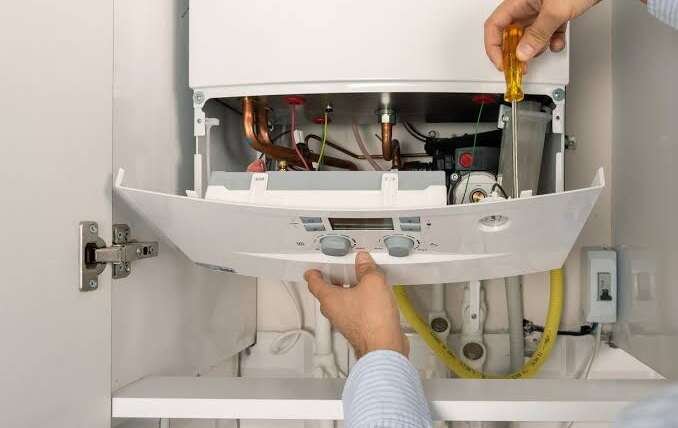
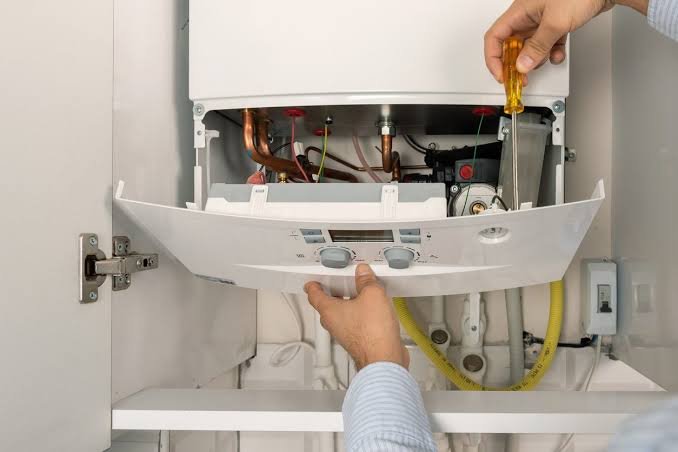
Installing a gas boiler requires technical knowledge, appropriate equipment and a thorough understanding of gas safety regulations. Unlike ordinary household maintenance, boiler installation involves gas connections, water supplies, heating controls, ventilation considerations and flue arrangements.
Professional installation helps ensure that these elements work together correctly. In addition, a properly commissioned heating system can operate more efficiently and provide dependable performance throughout the colder months.
Protecting Household Safety
Gas appliances must be installed and maintained correctly to minimise the risk of gas leaks, carbon monoxide exposure and other heating-related hazards. Poor workmanship, incorrect connections or unsuitable flue arrangements can create serious safety concerns.
A qualified engineer should assess the installation location, check the gas supply and ensure that the appliance has appropriate ventilation and flue arrangements. After installation, essential safety checks must be completed before the boiler is put into normal operation.
Improving Heating Efficiency
An incorrectly installed boiler may struggle to distribute heat effectively or operate according to its intended performance specifications. This can lead to unnecessary energy consumption and inconsistent temperatures throughout the property.
Professional installation considers the heating demand of the building, the condition of existing pipework and the suitability of radiators. Consequently, homeowners can benefit from a heating system that is appropriately configured for their everyday requirements.
Reducing Future Repair Problems
Installation quality can influence the long-term reliability of a heating appliance. Incorrect pipe sizing, inadequate system cleaning or unsuitable controls may contribute to recurring faults.
Experienced engineers follow the manufacturer’s installation instructions and conduct appropriate commissioning procedures. These measures help identify potential problems before the system is handed over to the homeowner.
Different Types of Gas Boilers Available
Before arranging an installation, it is important to understand the main boiler types available. The most suitable option depends on property size, household water demand, available space and the existing central heating arrangement.
Combi Boilers
Combination boilers, commonly called combi boilers, provide central heating and hot water directly from one compact appliance. They do not normally require a separate hot water storage cylinder or cold water storage tank.
Their space-saving design makes them particularly suitable for smaller properties, flats and homes where storage space is limited.
However, their ability to supply hot water to multiple outlets simultaneously can be restricted by the available mains water flow rate. Therefore, a professional assessment is important before choosing this option.
System Boilers
System boilers use a separate hot water storage cylinder but incorporate many of the essential heating components within the boiler itself.
They are often suitable for larger households where several people may require hot water around the same time. For example, a family with multiple bathrooms may benefit from the hot water storage capacity of this arrangement.
The installation must account for cylinder space, insulation requirements and the property’s overall hot water demand.
Conventional Boilers
Conventional boilers, also known as regular or heat-only boilers, generally operate alongside a hot water cylinder and cold water storage tank.
They can be appropriate for properties with existing traditional heating systems, particularly where the pipework and storage arrangements are already designed around this type of appliance.
Although they require more installation space, they may provide a practical solution when replacing an older conventional boiler.
How to Choose the Right Heating Installation Professional
Selecting a suitable heating professional requires more than looking at advertising claims. Homeowners should consider qualifications, experience, installation procedures, product knowledge and customer service before making a decision.
Check Gas Safe Registration
Gas safety is a fundamental requirement for anyone carrying out gas installation work in the United Kingdom. Engineers undertaking gas work must hold the appropriate Gas Safe registration and qualifications for the specific work they perform.
Homeowners should verify the engineer’s registration rather than relying solely on verbal assurances. The official Gas Safe Register provides a facility for checking registered businesses and engineers.
It is also important to confirm that the engineer is qualified for the particular appliance and type of work involved.
Consider Relevant Installation Experience
Experience with different heating systems can help an engineer identify practical installation requirements and potential complications.
For instance, replacing an existing combi boiler may involve different considerations from converting a conventional system into a modern system boiler arrangement.
When comparing gas boiler installers, ask about their experience with similar properties, replacement projects and the type of boiler you are considering.
Request a Detailed Written Quotation
A professional quotation should explain the proposed work and identify what is included in the installation price.
Depending on the project, this may cover:
The make and model of the proposed boiler.
Removal and disposal of the existing appliance.
Required pipework alterations.
Installation of suitable heating controls.
Flue and ventilation arrangements.
System cleaning and chemical treatment where appropriate.
Testing, commissioning and handover.
Applicable warranties and guarantees.
A clear quotation makes it easier to compare services and understand whether additional work could affect the final cost.
Review Customer Feedback
Customer reviews can provide useful information about communication, punctuality, workmanship and after-installation support.
However, homeowners should look beyond individual ratings. Consistent feedback about completed installations, problem resolution and professional conduct can offer a more balanced picture of a company’s service quality.
Understanding the Gas Boiler Installation Process
A professional boiler installation follows several important stages. Although the exact procedure depends on the property and appliance, understanding these steps helps homeowners know what to expect.
Initial Property Assessment
The process normally begins with an assessment of the existing heating system and household requirements.
An engineer may examine the property’s size, insulation, number of radiators, hot water demand and available installation space. They should also consider the condition of existing pipework and the suitability of the proposed flue position.
This assessment helps determine whether a straightforward replacement is possible or whether additional modifications are required.
Selecting a Suitable Boiler
Once the heating requirements are understood, the engineer can recommend an appropriate appliance.
Boiler output should be selected according to the property’s heating and hot water requirements rather than simply choosing the most powerful model available.
An oversized boiler may operate inefficiently under certain conditions, while an undersized appliance may struggle to meet demand. Correct system design is therefore essential.
Removing the Existing Boiler
When replacing an old appliance, the existing boiler must be safely disconnected and removed.
The engineer should isolate the relevant supplies, follow appropriate safety procedures and inspect the existing connections. Any unsuitable or deteriorated components should be identified before the replacement appliance is installed.
Installing and Connecting the New Appliance
The new boiler is positioned according to the manufacturer’s instructions and applicable installation requirements.
The engineer connects the necessary gas, water and heating pipework, installs suitable controls and ensures that the flue arrangement meets relevant standards.
Any required alterations should be completed using appropriate materials and installation methods.
Testing and Commissioning
Installation is not complete simply because the appliance has been connected.
The boiler must undergo the manufacturer’s required commissioning procedures and relevant safety checks. These may include checking gas pressure, combustion performance, operating controls, water circulation and system operation.
The homeowner should receive the appropriate documentation and an explanation of how to operate the new heating system.
Important Factors That Affect Boiler Installation Costs
The cost of installing a gas boiler can vary considerably depending on the property, appliance and amount of work required.
Understanding the main pricing factors can help homeowners plan their budgets and compare quotations fairly.
Boiler Type and Specification
Combi, system and conventional boilers have different installation requirements and equipment costs. The chosen manufacturer’s range, heating capacity and available features can also influence the overall price.
Complexity of the Installation
A replacement in the same location may require less work than relocating the boiler to another room.
Additional pipework, flue modifications, drainage arrangements and electrical connections can increase installation time and material costs.
Heating System Condition
Older central heating systems may contain sludge, corrosion or damaged components. Depending on their condition, additional cleaning, repairs or component replacements may be necessary.
An engineer should explain any recommended work and why it is required.
Additional Heating Controls
Modern heating controls can improve the management of heating schedules and household temperatures.
Depending on compatibility, homeowners may choose programmable thermostats, smart controls or individual radiator controls. These options can affect the final installation cost but may offer greater control over energy use.
Preparing Your Property for Boiler Installation
A little preparation can make installation day more straightforward and help engineers complete their work efficiently.
Clear the Installation Area
Remove furniture, personal belongings and unnecessary items from the area surrounding the existing boiler. This gives engineers sufficient room to work safely and access relevant connections.
Provide Access to Heating Equipment
If the boiler is located in a cupboard, loft or utility room, ensure that the engineer can access the appliance, pipework, heating controls and relevant isolation points.
Discuss Existing Heating Problems
Inform the installer about recurring pressure drops, unusual noises, leaking radiators or inconsistent heating. This information can help identify underlying system problems before the new appliance is commissioned.
Confirm the Installation Arrangements
Before work begins, clarify the expected completion time, access requirements, water and heating interruptions, waste disposal arrangements and any additional work identified during the assessment.
Good communication can prevent misunderstandings and make the entire process more manageable.
Maintaining Your Gas Boiler After Installation
Regular maintenance is essential for keeping a heating appliance in suitable working condition. Although modern boilers are designed for dependable operation, they still require appropriate servicing and attention.
Arrange Annual Boiler Servicing
An annual service by a suitably qualified Gas Safe registered engineer can help identify developing faults, check appliance operation and assess important safety-related components.
Homeowners should follow the manufacturer’s maintenance recommendations and retain relevant service records.
Monitor Boiler Pressure
Most sealed central heating systems operate within a recommended pressure range specified by the manufacturer. Homeowners should become familiar with the appliance’s pressure gauge and user instructions.
If pressure repeatedly drops or rises unexpectedly, professional investigation may be necessary. Frequent pressure changes should not be ignored.
Keep Heating Controls Properly Adjusted
Using suitable heating schedules and temperature settings can improve comfort and help prevent unnecessary energy consumption.
Homeowners should understand their thermostat, programmer and other heating controls to make the most of the installed system.
Respond to Warning Signs Early
Unusual noises, water leaks, repeated error messages and inconsistent heating may indicate a developing fault.
Do not attempt to dismantle gas components or carry out unauthorised repairs. Instead, arrange an inspection with a qualified professional.
If you suspect a gas leak, follow the official gas emergency guidance immediately, including turning off the gas supply if safe to do so, avoiding electrical switches and contacting the appropriate emergency service from a safe location.
Common Mistakes to Avoid When Installing a New Boiler
Making an informed decision can help prevent unnecessary costs and installation complications.
Choosing an Appliance Based on Price Alone
The cheapest boiler is not necessarily the most appropriate option. Consider the appliance’s suitability, warranty conditions, manufacturer support and installation requirements alongside the initial price.
Ignoring the Importance of System Design
A boiler should work effectively with the property’s radiators, pipework and hot water arrangements. Failing to assess the complete heating system may result in disappointing performance.
Overlooking Registration and Documentation
After installation, homeowners should receive relevant commissioning information, warranty documentation and applicable installation compliance records.
They should also check whether the installation needs to be notified through the appropriate Building Regulations process in England and Wales.
Neglecting Future Maintenance
A new boiler still requires appropriate servicing. Ignoring maintenance recommendations can allow minor issues to develop into more expensive problems.
Why Professional Installation Is a Long-Term Investment
A new boiler represents an important investment in a property’s heating infrastructure. Although installation involves an initial expense, choosing the right appliance and ensuring that it is installed correctly can provide benefits over its working life.
An appropriately designed system can deliver reliable heating, support household hot water requirements and make temperature management more convenient. In addition, correct commissioning and regular servicing can help maintain safe and consistent operation.
Homeowners should consider the complete value of an installation rather than focusing exclusively on the purchase price. Professional advice, suitable equipment, transparent quotations and dependable aftercare all contribute to a better overall experience.
Conclusion
Installing a new gas boiler requires careful planning, suitable equipment and professional expertise. From selecting the correct boiler type to assessing heating requirements, completing safety checks and arranging future servicing, every stage contributes to the performance and reliability of the heating system.
Homeowners should prioritise verified Gas Safe qualifications, clear quotations, appropriate system design and proper commissioning when choosing an installation service. Taking these steps can help avoid unsuitable equipment, unnecessary expenses and preventable heating problems.
For homeowners seeking professional heating installation support, PGAD can be considered when comparing suitable service providers. By prioritising safety, workmanship, transparent advice and the property’s individual heating requirements, you can make a confident decision and invest in a heating system designed to provide dependable comfort for years to come.