
Caring for a loved one is one of the most meaningful responsibilities a person can take on. However, family caregiving can also bring emotional pressure, physical exhaustion, and unexpected challenges. Between managing appointments, handling household responsibilities, and providing daily assistance, caregivers sometimes forget their own needs. This is where a Caregiver Book for Family Support can make a difference. The right reading resources can help families understand their responsibilities, develop healthier routines, and maintain emotional balance. Moreover, learning to care for someone without neglecting yourself creates a stronger foundation for long-term support and healthier family relationships.
Understanding the Challenges of Family Caregiving
Family caregiving often begins with small acts of kindness. You might help an aging parent prepare meals, drive a relative to medical appointments, or assist a loved one with household activities. Gradually, however, these responsibilities can become more demanding.
For example, caregivers may need to coordinate healthcare services, organize medications, manage finances, and provide emotional reassurance. Consequently, finding time for personal activities becomes increasingly difficult.
Although caregiving can strengthen family relationships, it may also create stress when responsibilities are not properly managed. Therefore, understanding the challenges early is essential.
Some common caregiving difficulties include:
Balancing personal and family responsibilities.
Managing unexpected healthcare expenses.
Handling emotional stress and uncertainty.
Coordinating care with other family members.
Finding enough time for rest and personal activities.
Recognizing these challenges allows caregivers to prepare instead of constantly reacting to stressful situations.
Why Caregivers Should Never Ignore Their Own Needs
One common mistake family caregivers make is believing that their loved one’s needs must always come first. Although providing support is important, continuously ignoring personal well-being can eventually lead to burnout.
Caregiver burnout may develop when ongoing responsibilities create excessive physical and emotional stress. It can affect sleep, concentration, relationships, and overall health.
Recognizing the Warning Signs of Burnout
Pay attention to changes such as:
Feeling exhausted throughout the day.
Becoming irritated over minor situations.
Losing interest in hobbies and social activities.
Experiencing frequent sadness or anxiety.
Feeling overwhelmed by everyday responsibilities.
Struggling to concentrate or make decisions.
Furthermore, caregivers should understand that experiencing these feelings does not mean they are doing something wrong. Instead, these signs may indicate that additional support and rest are necessary.
If symptoms persist or interfere with daily life, speaking with a qualified healthcare professional can be helpful.
Create a Healthy Balance Between Caregiving and Personal Life
Maintaining balance does not mean spending less time caring for someone. Rather, it means creating a realistic routine that protects everyone’s well-being.
Start by identifying your daily priorities. Next, separate essential responsibilities from tasks that can be shared, postponed, or delegated.
For example, you might establish specific times for medication reminders, meal preparation, appointments, and household activities. Meanwhile, schedule short breaks for yourself throughout the day.
Consider adopting these simple habits:
Maintain a consistent sleep schedule whenever possible.
Eat balanced meals and stay physically active.
Spend time with friends and supportive relatives.
Set realistic expectations for everyday tasks.
Schedule personal activities without feeling guilty.
Additionally, remember that flexibility matters. Some days will be more demanding than others. Therefore, allow yourself to adjust your routine when circumstances change.
Share Family Responsibilities to Reduce Emotional Pressure
Caregiving should not automatically become the responsibility of one family member. Unfortunately, when relatives do not communicate effectively, one person may end up handling nearly everything.
Over time, this situation can create frustration, exhaustion, and misunderstandings.
Instead, organize a family discussion about available time, individual strengths, and caregiving priorities. One relative might manage medical appointments, another could help with transportation, while someone else may contribute toward household expenses.
Moreover, family meetings provide opportunities to discuss changing care requirements and identify areas where professional assistance may be needed.
When everyone understands their responsibilities, caregivers feel less isolated. As a result, the family can build a more cooperative and supportive environment.
Learn Practical Skills Through Caregiving Books
Reliable educational resources can help caregivers approach unfamiliar situations with greater confidence. Books are particularly useful because readers can explore important subjects at their own pace and revisit information whenever necessary.
A Caregiver Book for Family Support can introduce practical approaches to daily care, family communication, emotional well-being, and long-term preparation.
For instance, informative reading materials may help families understand:
How to organize everyday caregiving activities.
Ways to communicate with aging loved ones.
The importance of medication management.
Strategies for discussing future healthcare preferences.
Options for finding community and professional assistance.
Furthermore, books can provide emotional reassurance by discussing experiences that caregivers may recognize in their own lives.
However, educational reading should complement professional healthcare guidance. Medical questions, treatment decisions, and complex care requirements should always be discussed with qualified professionals.
Prepare for Financial Responsibilities and Future Care Needs
Financial planning is another important part of sustainable caregiving. Medical appointments, prescription medications, transportation, home modifications, and professional assistance can create unexpected expenses.
Therefore, families should discuss financial responsibilities before they become overwhelming.
Begin by reviewing available savings, insurance coverage, retirement income, and potential healthcare expenses. Additionally, organize important documents and understand which family members are responsible for managing different financial matters.
For long-term preparation, consider discussing:
Health insurance and available benefits.
Potential long-term care expenses.
Estate planning and legal documentation.
Healthcare decision-making arrangements.
Available community and government resources.
Since financial and legal requirements vary, consulting qualified professionals is important. Nevertheless, early conversations can reduce uncertainty and help families make informed decisions.
Find Encouragement Through Meaningful Reading Resources
Sometimes, caregivers need more than practical instructions. They also need encouragement, understanding, and reassurance that their experiences matter.
Readers exploring Leslie Vick Books can discover educational resources addressing caregiving, end-of-life preparation, financial planning, and coping with grief. Author Leslie Vick focuses on subjects that encourage families to approach difficult life transitions with greater awareness and compassion.
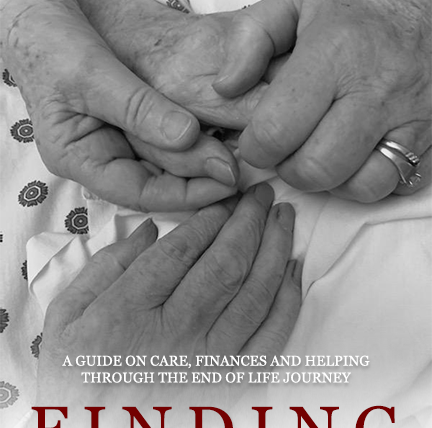
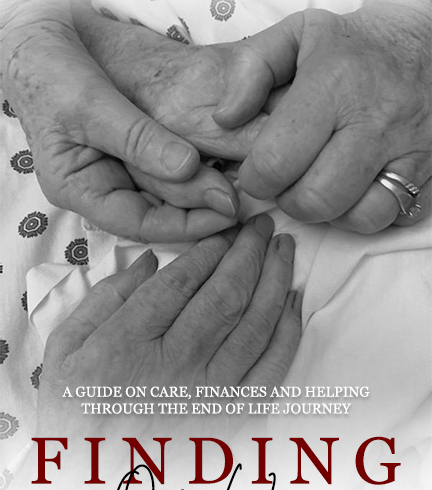
The book finding our book can also be explored as part of a reading journey centered on meaningful personal experiences and important family challenges.
Whether you are supporting an aging parent in New York City, caring for a loved one in Los Angeles, or managing family responsibilities in Chicago, thoughtful reading can help you develop a better understanding of caregiving.
Additionally, combining books with professional guidance, family discussions, and community support can create a more balanced approach to care.
Conclusion:
Family caregiving requires patience, compassion, and commitment. However, maintaining your own well-being is equally important. By setting boundaries, sharing responsibilities, planning financially, and seeking emotional support, you can build a healthier caregiving experience.
A Caregiver Book for Family Support can offer practical caregiving advice and serve as a helpful caregiving guide when you need direction. Remember, taking care of yourself is not a distraction from caring for someone else. It is an essential part of providing consistent and compassionate support.
Start exploring helpful caregiving books today and take the first step toward caring for your loved ones without losing yourself!