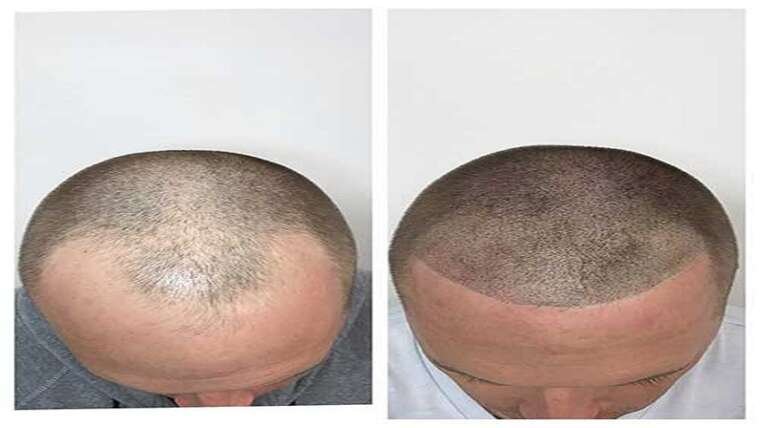
Hair loss is no longer a concern limited to a particular age group. People in their twenties, thirties, and beyond are increasingly experiencing hair thinning, excessive shedding, receding hairlines, and reduced hair density. Factors such as genetics, stress, hormonal changes, nutritional deficiencies, and certain medical conditions can contribute to these problems. As awareness of hair health grows, more people are exploring non-surgical hair treatments as an alternative to invasive procedures.
Modern hair care offers several approaches to managing hair loss without undergoing a hair transplant. From Low-Level Laser Therapy to Platelet-Rich Plasma treatments, these options have attracted attention among individuals seeking personalised solutions. But what makes non-surgical hair treatments so popular today?
- A Less Invasive Approach to Hair Loss
One of the biggest reasons people consider non-surgical hair treatments is that they do not require a hair transplant operation. Surgical procedures may involve incisions, recovery time, and specific eligibility requirements, making them unsuitable or undesirable for some individuals.
Non-surgical approaches offer different ways to address certain types of hair loss without surgically relocating hair follicles. Depending on the procedure, people may be able to return to their usual activities shortly after an appointment.
However, non-surgical treatments are not entirely risk-free. Some may cause temporary discomfort, irritation, or other side effects, so professional guidance remains important.
- Growing Awareness of Early Hair Loss Management
Many people previously waited until hair loss became noticeable before seeking professional help. Today, increased awareness of scalp health and hair care has encouraged individuals to pay attention to early changes.
A widening hair part, reduced hair volume, increased shedding, or gradual thinning around the crown can indicate a problem that deserves assessment.
Early evaluation can help identify the underlying cause and determine whether treatment may be beneficial. Certain forms of hair loss respond better to timely management, although results depend on the diagnosis and the condition of the hair follicles.
- Advanced Treatment Options and Technology
Developments in hair care technology have introduced several non-surgical approaches for managing specific hair loss conditions.
Low-Level Laser Therapy (LLLT) uses low-intensity light and may help improve hair density in some people with hereditary hair thinning. It generally requires consistent use or repeated sessions to assess its effectiveness.
Platelet-Rich Plasma (PRP) Therapy involves processing a small sample of the patient’s blood to concentrate platelets before injecting the preparation into selected scalp areas. The growth factors in platelets may influence follicular activity, although research findings and individual results vary.
Other approaches may include medical scalp treatments and evidence-based medications recommended according to the underlying cause.
The availability of these options allows specialists to consider different approaches rather than relying on one treatment for every individual.
- Personalised Treatment Plans
Hair loss does not have a single cause, which is why personalised care has become increasingly important. Genetic hair thinning, temporary shedding, nutritional deficiencies, hormonal changes, and inflammatory scalp conditions may require different management strategies.
A professional assessment helps determine which factors could be contributing to hair loss. Depending on the findings, a treatment plan may combine appropriate medical care, scalp management, lifestyle adjustments, and selected non-surgical procedures.
This approach can help individuals avoid unsuitable treatments and focus on options that address their specific concerns.
- Convenience for Busy Lifestyles
Work commitments, family responsibilities, and busy schedules often influence healthcare decisions. Many non-surgical hair treatments are performed during outpatient appointments and do not involve the recovery period associated with surgery.
However, convenience varies between procedures. PRP therapy and other professional treatments may require multiple sessions, while certain therapies need ongoing use or maintenance.
Understanding the expected schedule, cost, and commitment before beginning treatment helps people choose an approach that fits their lifestyle.
- A Focus on Existing Hair and Scalp Health
Another reason non-surgical treatments attract attention is their focus on managing existing hair and improving scalp health.
Depending on the diagnosis, treatment may aim to reduce excessive shedding, support existing follicles, improve hair density, or address scalp problems such as dandruff and inflammation.
It is important to distinguish between cosmetic scalp care and treatments intended to manage hair loss. A healthy scalp supports good hair care, but not every scalp treatment stimulates new growth or reverses hereditary baldness.
Realistic expectations and appropriate treatment selection are essential for achieving meaningful results.
- Greater Interest in Confidence and Well-Being
Hair can play an important role in how people feel about their appearance. Persistent thinning or excessive shedding may affect confidence and create anxiety about social or professional situations.
Seeking appropriate treatment can help individuals understand their condition and explore practical ways to manage it. Non-surgical options appeal to people who want to investigate available solutions without immediately considering surgery.
Nevertheless, results are not guaranteed, and emotional well-being should not depend entirely on changes in hair density.
How Can You Decide If Non-Surgical Hair Treatment Is Right for You?
The first step is identifying the cause of your hair loss. A qualified dermatologist or hair specialist can examine your scalp, review your medical history, and recommend investigations when necessary.
Sudden hair loss, patchy bald spots, scalp pain, severe inflammation, or persistent excessive shedding should be medically evaluated. Some conditions require specific medical treatment rather than cosmetic procedures alone.
At Hairensure Trichology Clinic, individuals can seek professional guidance for hair thinning, hair fall, and scalp concerns. A personalised assessment can help identify suitable treatment options based on individual needs.
Conclusion
The growing popularity of non-surgical hair treatments reflects increasing awareness, technological developments, and the demand for less invasive approaches to hair loss management. With options such as LLLT, PRP therapy, and medically guided scalp care, individuals may have several ways to address specific hair concerns.
However, the best treatment depends on the underlying cause, the stage of hair loss, and individual suitability.
Concerned about hair thinning or excessive hair fall? Consult a qualified hair specialist to understand your condition and explore an appropriate treatment plan. Taking informed steps today can help you make better decisions for your long-term hair and scalp health.