

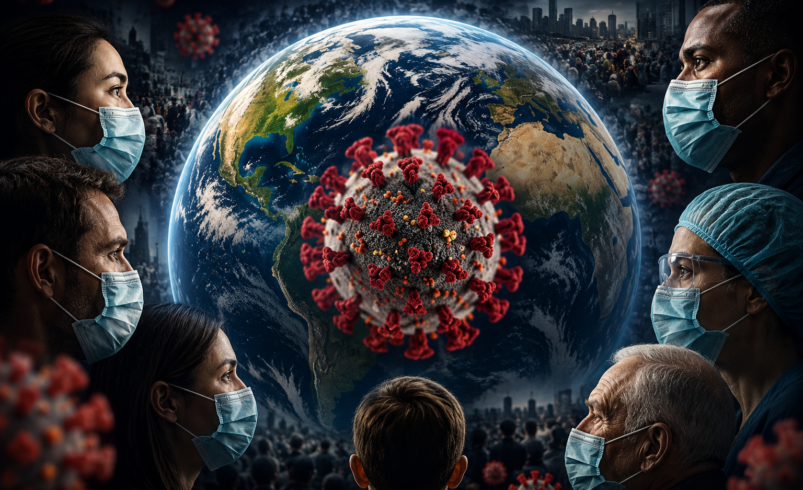

COVID-19 became one of the most significant global events of the 21st century. What started as a health concern in one region quickly spread across continents, affecting billions of people and transforming everyday life. The pandemic changed how people work, study, travel, socialize, and think about public health. Governments, healthcare professionals, scientists, businesses, and ordinary citizens all faced unprecedented challenges as they tried to adapt to a rapidly changing situation.
The impact of COVID-19 extended far beyond hospitals and healthcare systems. It influenced economies, education, technology, mental health, international relations, and social behaviors. For many people, the pandemic represented a period of uncertainty, fear, and disruption. At the same time, it also highlighted human resilience, innovation, and the ability of communities to come together during difficult times.
Understanding COVID-19 is important because its effects continue to shape the modern world. The lessons learned from the pandemic have influenced healthcare planning, workplace policies, scientific research, and emergency preparedness around the globe.
What Is COVID-19?
COVID-19 is an infectious disease caused by the coronavirus known as SARS-CoV-2. Coronaviruses are a family of viruses that can affect both animals and humans. Some coronaviruses cause mild illnesses similar to the common cold, while others can lead to more severe diseases.
The virus responsible for COVID-19 primarily attacks the respiratory system. It spreads mainly through respiratory droplets and airborne particles released when infected individuals cough, sneeze, speak, or breathe. Because the virus can spread easily in crowded or poorly ventilated spaces, it rapidly moved across communities and countries.
The disease can affect people differently. Some individuals experience mild symptoms or no symptoms at all, while others develop severe complications requiring hospitalization. This variation in severity made the pandemic particularly challenging to manage and predict.
The Early Days of the Pandemic
When the first cases of COVID-19 were identified, many people assumed it would remain a localized health issue. However, the virus demonstrated an extraordinary ability to spread across borders. International travel, global trade, and interconnected societies contributed to the rapid transmission of the disease.
As case numbers increased, governments and health organizations began implementing emergency measures. Public health authorities issued guidelines aimed at slowing transmission and protecting vulnerable populations. Countries introduced travel restrictions, quarantine requirements, testing programs, and social distancing measures.
The uncertainty surrounding the virus created widespread concern. Scientists worked around the clock to understand how the disease spread, who was most at risk, and what strategies could effectively control outbreaks. During this period, information evolved rapidly as researchers gathered new evidence and data.
How COVID-19 Spread Across the World
One of the most remarkable aspects of COVID-19 was its ability to spread globally within a relatively short period. Major cities became hotspots due to dense populations and high levels of movement. International travel accelerated the transmission of the virus between countries and continents.
The interconnected nature of modern society allowed outbreaks in one region to influence conditions elsewhere. As a result, many nations experienced multiple waves of infections. These waves often varied in intensity depending on public health measures, population behavior, vaccination rates, and the emergence of new variants.
The global spread of COVID-19 highlighted the importance of international cooperation in addressing public health emergencies. No country was entirely isolated from the effects of the pandemic, demonstrating how health challenges can become worldwide concerns in an interconnected world.
Common Symptoms of COVID-19
COVID-19 presented a wide range of symptoms among infected individuals. Some of the most commonly reported symptoms included fever, cough, fatigue, shortness of breath, sore throat, headaches, muscle aches, and loss of taste or smell.
In many cases, symptoms appeared several days after exposure to the virus. Some individuals experienced only mild discomfort, while others developed severe respiratory complications. Older adults and people with certain underlying medical conditions often faced higher risks of serious illness.
One of the unique challenges of COVID-19 was the existence of asymptomatic cases. Individuals without noticeable symptoms could still spread the virus to others, making containment efforts more difficult. This characteristic contributed significantly to the widespread transmission observed during the pandemic.
The Pressure on Healthcare Systems
Healthcare systems worldwide faced enormous pressure as COVID-19 cases surged. Hospitals encountered increased demand for emergency care, intensive care units, medical equipment, and healthcare personnel. Many facilities had to expand capacity quickly to accommodate growing numbers of patients.
Doctors, nurses, and healthcare workers worked tirelessly under extremely challenging conditions. Long hours, emotional stress, and the constant risk of exposure became part of daily life for frontline workers. Their dedication played a critical role in managing the crisis and providing care to millions of patients.
The pandemic exposed strengths and weaknesses within healthcare infrastructures. It underscored the need for emergency preparedness, adequate staffing, sufficient medical supplies, and strong public health systems capable of responding effectively to large-scale emergencies.
Economic Impact Around the Globe
The economic consequences of COVID-19 were felt across virtually every industry. Businesses faced disruptions due to lockdowns, reduced consumer activity, supply chain interruptions, and workforce challenges. Many companies struggled to maintain operations during periods of uncertainty.
Small businesses were particularly vulnerable. Restaurants, retail stores, tourism operators, entertainment venues, and service providers often experienced significant revenue losses. Some businesses adapted by embracing online platforms, delivery services, and digital solutions to remain operational.
Governments introduced financial support programs to assist workers, families, and businesses affected by the crisis. While these measures provided relief, the long-term economic effects of the pandemic continued to influence markets, employment patterns, and consumer behavior.
The Transformation of Work
COVID-19 accelerated changes in the workplace that might otherwise have taken years to develop. Remote work became a necessity for many organizations, leading to widespread adoption of digital communication tools and collaboration platforms.
Employees adapted to working from home, attending virtual meetings, and managing responsibilities through online systems. Organizations invested in technology to support remote operations and maintain productivity.
The experience demonstrated that many tasks could be performed effectively outside traditional office environments. As a result, hybrid work models emerged as a popular solution, combining remote flexibility with in-person collaboration. These changes continue to influence workplace strategies today.
Education During the Pandemic
Educational institutions faced unprecedented challenges as schools and universities closed their physical campuses. Teachers, students, and parents had to adapt quickly to online learning environments.
Virtual classrooms became common as educators used digital platforms to deliver lessons and maintain academic continuity. While technology enabled learning to continue, many students faced obstacles such as limited internet access, lack of devices, and reduced opportunities for social interaction.
The pandemic highlighted inequalities in educational access and emphasized the importance of digital infrastructure. It also encouraged innovation in teaching methods and increased the integration of technology into education systems worldwide.
The Mental Health Challenge
Beyond physical health concerns, COVID-19 significantly affected mental well-being. Isolation, uncertainty, financial stress, health worries, and social restrictions contributed to increased levels of anxiety and depression among many individuals.
People experienced disruptions to routines, reduced social connections, and concerns about loved ones. Healthcare workers, caregivers, and individuals facing economic hardship often encountered particularly high levels of stress.
The pandemic brought greater attention to mental health issues and emphasized the need for accessible support services. Many organizations expanded mental health resources and encouraged conversations about emotional well-being, helping reduce stigma and increase awareness.
Scientific Research and Innovation
One of the most remarkable aspects of the COVID-19 response was the speed of scientific collaboration and innovation. Researchers from around the world worked together to understand the virus, develop treatments, improve testing methods, and create vaccines.
Advances in technology, data sharing, and international cooperation accelerated scientific progress. Laboratories conducted extensive research to identify effective interventions and improve patient outcomes.
The pandemic demonstrated the value of investing in scientific research and highlighted how global collaboration can accelerate solutions during public health emergencies. These achievements will likely influence future responses to infectious diseases and other global challenges.
The Development of Vaccines
The development of COVID-19 vaccines represented a major milestone in the fight against the pandemic. Scientists, pharmaceutical companies, governments, and research institutions collaborated to create vaccines in record time while maintaining rigorous testing standards.
Vaccination programs were launched across the world to reduce severe illness, hospitalizations, and deaths associated with COVID-19. Public health authorities worked to distribute vaccines and encourage widespread participation.
The success of vaccine development showcased the capabilities of modern medical science. It also demonstrated the importance of public trust, effective communication, and international cooperation in achieving large-scale health goals.
Technology’s Expanding Role
Technology became an essential tool during the pandemic. Digital platforms enabled communication, education, healthcare delivery, shopping, entertainment, and business operations while physical interactions were limited.
Telemedicine services expanded rapidly, allowing patients to consult healthcare professionals remotely. Online shopping became more common as consumers sought safer alternatives to in-person purchasing.
Businesses accelerated digital transformation efforts, investing in automation, cloud computing, cybersecurity, and virtual collaboration tools. These technological shifts continue to shape society and influence how organizations operate in the post-pandemic era.
Social Changes and New Habits
COVID-19 changed many aspects of daily life. People adopted new hygiene practices, adjusted travel habits, and reconsidered how they interacted with others. Face coverings, hand sanitizers, and social distancing became familiar parts of everyday routines.
Families spent more time together at home, while social gatherings were often limited or modified. Public events, celebrations, and cultural activities adapted to new health guidelines and safety measures.
Many of these behavioral changes reflected a growing awareness of public health and personal responsibility. Some habits developed during the pandemic continue to influence daily life even after restrictions eased.
Global Cooperation and Challenges
The pandemic highlighted both the strengths and challenges of international cooperation. Countries shared research findings, medical expertise, and resources to address common threats. Global organizations played important roles in coordinating responses and providing guidance.
At the same time, differences in healthcare capacity, resource availability, and policy approaches created challenges. The unequal distribution of medical supplies and vaccines became a significant concern in many regions.
These experiences reinforced the importance of collaboration, preparedness, and equitable access to healthcare resources. Future global health emergencies will likely benefit from the lessons learned during COVID-19.
Lessons Learned From COVID-19
The COVID-19 pandemic provided valuable lessons for governments, businesses, healthcare providers, and individuals. Preparedness emerged as a critical factor in managing large-scale emergencies. Investments in healthcare infrastructure, scientific research, and public health systems proved essential.
Communication also played a crucial role. Clear, accurate, and timely information helped people make informed decisions and respond appropriately to changing circumstances. Trust between institutions and communities became an important element of effective crisis management.
The pandemic demonstrated that resilience depends on adaptability, cooperation, and innovation. Communities that worked together often found more effective ways to navigate challenges and support vulnerable populations.
The Lasting Impact on Society
Even as the immediate crisis diminished in many regions, the effects of COVID-19 continued to shape society. Businesses reevaluated operating models, governments updated emergency plans, and healthcare systems reviewed preparedness strategies.
Many people gained a greater appreciation for public health, scientific research, and community support networks. Organizations recognized the importance of flexibility and resilience in responding to unexpected disruptions.
The pandemic also accelerated trends that were already emerging, including digital transformation, remote work, telehealth services, and online education. These developments are likely to influence society for years to come.
Looking Toward the Future
As the world moves forward, the experience of COVID-19 serves as a reminder of the importance of preparedness and global cooperation. Future health challenges may arise, but the knowledge gained during the pandemic provides a stronger foundation for responding effectively.
Scientific advancements achieved during this period have expanded understanding of infectious diseases and improved capabilities for rapid response. Healthcare systems, policymakers, and researchers continue working to strengthen preparedness and resilience.
The story of COVID-19 is ultimately one of challenge, adaptation, and learning. It tested societies in unprecedented ways while also demonstrating humanity’s capacity for innovation, perseverance, and collaboration. The lessons learned will continue shaping decisions and policies for generations, ensuring that the world is better equipped to face future challenges while protecting public health and well-being.