

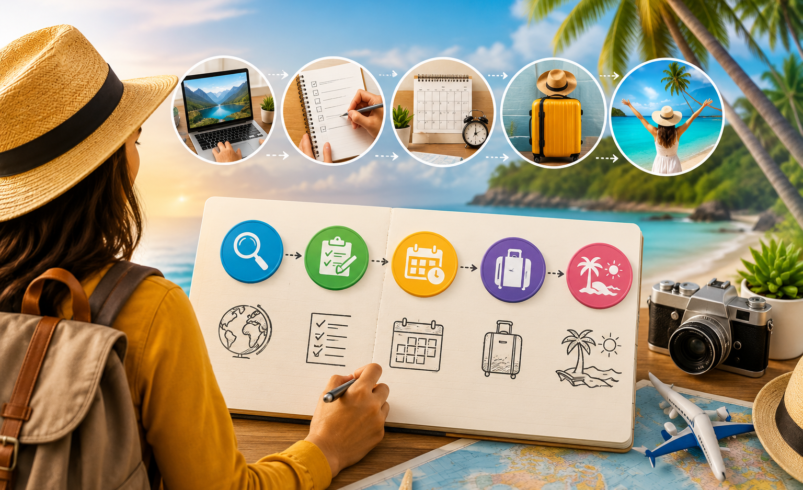

Introduction: Why Proper Holiday Planning Matters
Planning a holiday is not just about booking flights and packing a bag. It is about creating an experience where everything flows smoothly, stress is reduced, and you can actually enjoy your time without unnecessary problems. A well-planned holiday gives you freedom because you are not constantly worrying about what comes next. Instead, you already know your route, budget, activities, and expectations. This guide is designed to take you step by step through the entire process of planning your ideal holiday so that you can enjoy every moment without confusion or last-minute stress.
Many people think holidays are only about spontaneity, but in reality, even the best spontaneous trips have some level of preparation behind them. When you plan properly, you save money, avoid mistakes, and increase your overall enjoyment. Whether you are planning a solo trip, family vacation, romantic getaway, or group adventure, the same principles apply.
Step 1: Understanding the Purpose of Your Holiday
Before you start booking anything, the first step is to clearly understand why you want to travel. Every holiday has a different purpose, and your planning should match that purpose. Some people travel to relax, while others want adventure, cultural experiences, shopping, or simply a break from routine life.
When you define your purpose, everything else becomes easier. For example, a relaxing holiday will require a peaceful destination like a beach or mountain resort, while an adventure trip might involve hiking, safaris, or exploring new cities. Without a clear purpose, you might end up choosing a destination that does not match your expectations, which can lead to disappointment.
Take a moment to ask yourself what kind of experience you truly want. This clarity will guide all your future decisions.
Step 2: Choosing the Right Destination
Once you understand your purpose, the next step is selecting the destination that best fits your goals. This is one of the most exciting parts of planning, but it should also be done carefully.
Research different destinations based on weather, cost, safety, attractions, and travel distance. If your goal is relaxation, consider places with natural beauty and calm surroundings. If you want excitement, choose cities with rich nightlife, activities, and cultural landmarks.
It is also important to consider the season. A destination might be beautiful, but if you visit at the wrong time, you could face extreme weather or overcrowding. Always check the best time to visit before finalizing your choice.
Another important factor is your budget. Some destinations may look attractive but could be too expensive once you include flights, accommodation, and daily expenses. Be realistic and choose a destination that fits your financial comfort.
Step 3: Setting a Realistic Budget
Budgeting is one of the most important parts of holiday planning. Without a proper budget, even a well-planned trip can become stressful. Start by deciding how much you are willing to spend overall, then break it down into categories such as travel, accommodation, food, activities, shopping, and emergency expenses.
A smart approach is to always keep a small buffer amount for unexpected costs. Many travelers forget about hidden expenses like local transport, entry tickets, or service charges, which can add up quickly.
When you have a clear budget, you can make better decisions about flights, hotels, and activities. It also helps you avoid overspending and returning home with financial stress.
Step 4: Selecting the Best Time to Travel
Timing plays a huge role in the quality of your holiday. Traveling at the right time can enhance your experience, while the wrong timing can create difficulties.
Consider factors like weather conditions, tourist seasons, local festivals, and holidays. Peak seasons are usually more expensive and crowded, while off-seasons are cheaper but may have limited activities.
If your schedule allows flexibility, try to choose shoulder seasons, which are the periods just before or after peak travel times. These often offer a balance between good weather, reasonable prices, and fewer crowds.
Step 5: Booking Flights and Transportation
After finalizing your destination and budget, the next step is booking transportation. Flights should ideally be booked early to get better prices and more options. Waiting until the last minute usually results in higher costs and limited availability.
Compare different airlines, check baggage policies, and consider layover times if you want to save money. Sometimes a slightly longer journey can significantly reduce costs.
If you are traveling locally or within a region, also explore train, bus, or car rental options. Transportation within the destination is equally important, so research how you will move around once you arrive.
Step 6: Choosing the Right Accommodation
Your accommodation can greatly affect your overall travel experience. A good hotel or stay can make your holiday comfortable, while a poor choice can create unnecessary problems.
Decide whether you want luxury hotels, budget stays, hostels, or vacation rentals. Each option has its own advantages depending on your travel style.
Location is also very important. Staying close to main attractions or transport hubs can save time and money. Always read reviews before booking to ensure quality, cleanliness, and safety.
Comfort, convenience, and security should be your top priorities when selecting accommodation.
Step 7: Planning Your Daily Itinerary
A well-structured itinerary helps you make the most of your time. Without a plan, you may waste valuable hours deciding what to do each day.
Start by listing the major attractions and activities you want to experience. Then organize them by location so you can avoid unnecessary travel back and forth.
However, avoid overloading your schedule. Many travelers make the mistake of planning too much, which leads to exhaustion. Leave room for relaxation and spontaneous exploration.
A balanced itinerary includes sightseeing, rest, meals, and free time. This ensures you enjoy your holiday instead of rushing through it.
Step 8: Preparing Travel Documents and Essentials
Before you travel, make sure all your important documents are ready. This includes your passport, visa (if required), ID cards, travel insurance, tickets, and hotel confirmations.
Keep both physical and digital copies of your documents in case of emergencies. Losing important documents during travel can create serious problems, so preparation is key.
Also check entry requirements for your destination, such as vaccination certificates or special permits.
Step 9: Packing Smart and Light
Packing is often underestimated, but it plays a major role in your comfort during the trip. The key is to pack smart, not heavy.
Start by checking the weather of your destination and pack accordingly. Choose versatile clothing that can be mixed and matched. Avoid overpacking unnecessary items that you are unlikely to use.
Essentials include clothes, toiletries, chargers, medications, and travel accessories. Organize your bag in a way that makes items easy to access.
A lighter bag makes traveling easier and more enjoyable, especially if you have to move frequently.
Step 10: Managing Travel Insurance and Safety
Travel insurance is something many people ignore, but it is extremely important. It protects you from unexpected situations like medical emergencies, flight cancellations, or lost luggage.
Always choose a reliable insurance plan that covers your destination and activities. It may feel like an extra expense, but it can save you from major financial loss.
Along with insurance, always prioritize personal safety. Be aware of local rules, avoid unsafe areas, and keep emergency contacts handy.
Step 11: Planning Food and Local Experiences
Food is a major part of any holiday experience. Research local cuisine and decide where you want to eat. Try both popular restaurants and local street food to fully experience the culture.
Also look for unique local experiences such as cultural shows, festivals, tours, or workshops. These activities make your trip more memorable and meaningful.
Being open to new experiences will help you enjoy your destination more deeply.
Step 12: Staying Flexible During Your Trip
Even the best plans can change due to weather, delays, or unexpected situations. That is why flexibility is important.
Do not stress if things do not go exactly as planned. Sometimes the best travel moments come from unplanned experiences. Keep a positive mindset and adjust your schedule when needed.
Flexibility ensures that your holiday remains enjoyable even when small issues arise.
Conclusion: Turning Planning into a Stress-Free Experience
Planning your ideal holiday is all about balance. You need structure, but you also need flexibility. When you carefully follow each step—from choosing your destination to packing your bag—you reduce stress and increase enjoyment.
A well-planned holiday allows you to focus on what truly matters: relaxing, exploring, and creating memories. Instead of worrying about problems, you can fully enjoy every moment of your journey.
With the right approach, your next holiday will not just be a trip—it will be a smooth, enjoyable, and unforgettable experience.