

Introduction to Skin Types and Why They Matter
Understanding your skin type is one of the most important steps in building an effective skincare routine. Many beginners make the mistake of using random products without knowing what their skin actually needs. This often leads to issues like breakouts, dryness, irritation, or excessive oiliness. Skin is not “one size fits all,” and learning the basics of skin types helps you make better choices for cleansing, moisturizing, and protecting your skin.
Your skin type is mainly determined by genetics, but it can also change over time due to age, environment, diet, stress levels, and lifestyle habits. Knowing your skin type is the foundation of healthy skincare because it guides every decision you make—from choosing a face wash to selecting sunscreen or makeup products.
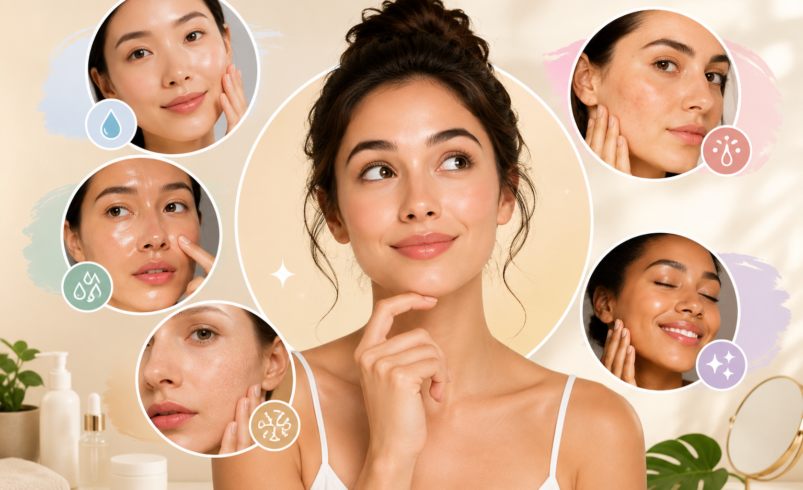
There are five basic skin types that most dermatologists and skincare experts recognize: normal, oily, dry, combination, and sensitive skin. Each type has unique characteristics, needs, and challenges. In this guide, we will break down each skin type in detail so beginners can confidently start their skincare journey.
Normal Skin Type: The Balanced Skin
Normal skin is often described as well-balanced skin. It is neither too oily nor too dry, which makes it one of the easiest skin types to manage. People with normal skin usually have a smooth texture, even tone, and small or barely visible pores.
This skin type produces just the right amount of sebum (natural oil), which helps keep the skin hydrated without making it greasy. Breakouts, dryness, or sensitivity are less common, although they can still occur depending on environmental changes or improper skincare.
Even though normal skin seems low-maintenance, it still requires care to maintain its balance. A simple routine with gentle cleansing, lightweight moisturizing, and daily sunscreen is usually enough. Overloading normal skin with too many products can disturb its natural balance and cause unexpected issues.
Maintaining normal skin is all about consistency. Hydration, sun protection, and a healthy lifestyle help preserve its natural glow over time.
Oily Skin Type: The Shiny and Acne-Prone Skin
Oily skin is characterized by excessive production of sebum. This results in a shiny appearance, especially in the T-zone area (forehead, nose, and chin). People with oily skin often struggle with enlarged pores, blackheads, and acne breakouts.
While oily skin can feel frustrating, it does have one advantage: it tends to age more slowly because natural oils help keep the skin more elastic and hydrated.
The main goal for oily skin is balance, not removal of oil. Many beginners make the mistake of using harsh products that strip the skin completely, which actually causes more oil production. Instead, gentle foaming cleansers, oil-free moisturizers, and lightweight gels work best.
Regular exfoliation can help unclog pores, but it should not be overdone. Using non-comedogenic products (products that do not block pores) is essential for controlling breakouts. Sunscreen is also important, but it should be oil-free and matte-finish to avoid extra shine.
Managing oily skin is about control and consistency rather than trying to eliminate oil completely.
Dry Skin Type: The Tight and Flaky Skin
Dry skin occurs when the skin does not produce enough natural oils. This leads to a rough, tight, or flaky texture. People with dry skin often feel discomfort after washing their face, and their skin may look dull or lackluster.
This skin type is more prone to fine lines, irritation, and sensitivity because the skin barrier is weaker. Environmental factors like cold weather, low humidity, and hot showers can make dryness worse.
The key to caring for dry skin is deep hydration and nourishment. Cream-based cleansers, rich moisturizers, and hydrating serums containing ingredients like hyaluronic acid and glycerin are extremely beneficial.
Unlike oily skin, dry skin requires more frequent moisturizing to maintain softness and elasticity. It is also important to avoid harsh soaps, alcohol-based products, and over-cleansing, as these can strip away essential oils.
Using a humidifier, drinking enough water, and protecting skin from harsh weather conditions can significantly improve dry skin over time.
Combination Skin Type: The Mixed Characteristics Skin
Combination skin is one of the most common yet confusing skin types. It features both oily and dry areas on the face. Typically, the T-zone is oily while the cheeks and other areas may be dry or normal.
This uneven distribution of oil makes skincare tricky because different parts of the face require different care. For example, oily areas need oil control, while dry areas need hydration.
The best approach for combination skin is balance and customization. Lightweight, gentle products work well because they do not overload the skin. Many people with combination skin use different products for different areas of the face, a method known as “multi-care skincare.”
Gel-based cleansers, lightweight moisturizers, and targeted treatments help maintain harmony. It is also important not to over-cleanse oily areas, as this can make dry areas worse and create more imbalance.
Combination skin requires observation and adjustment. Understanding how your skin behaves in different seasons or environments helps you build a flexible skincare routine.
Sensitive Skin Type: The Reactive and Delicate Skin
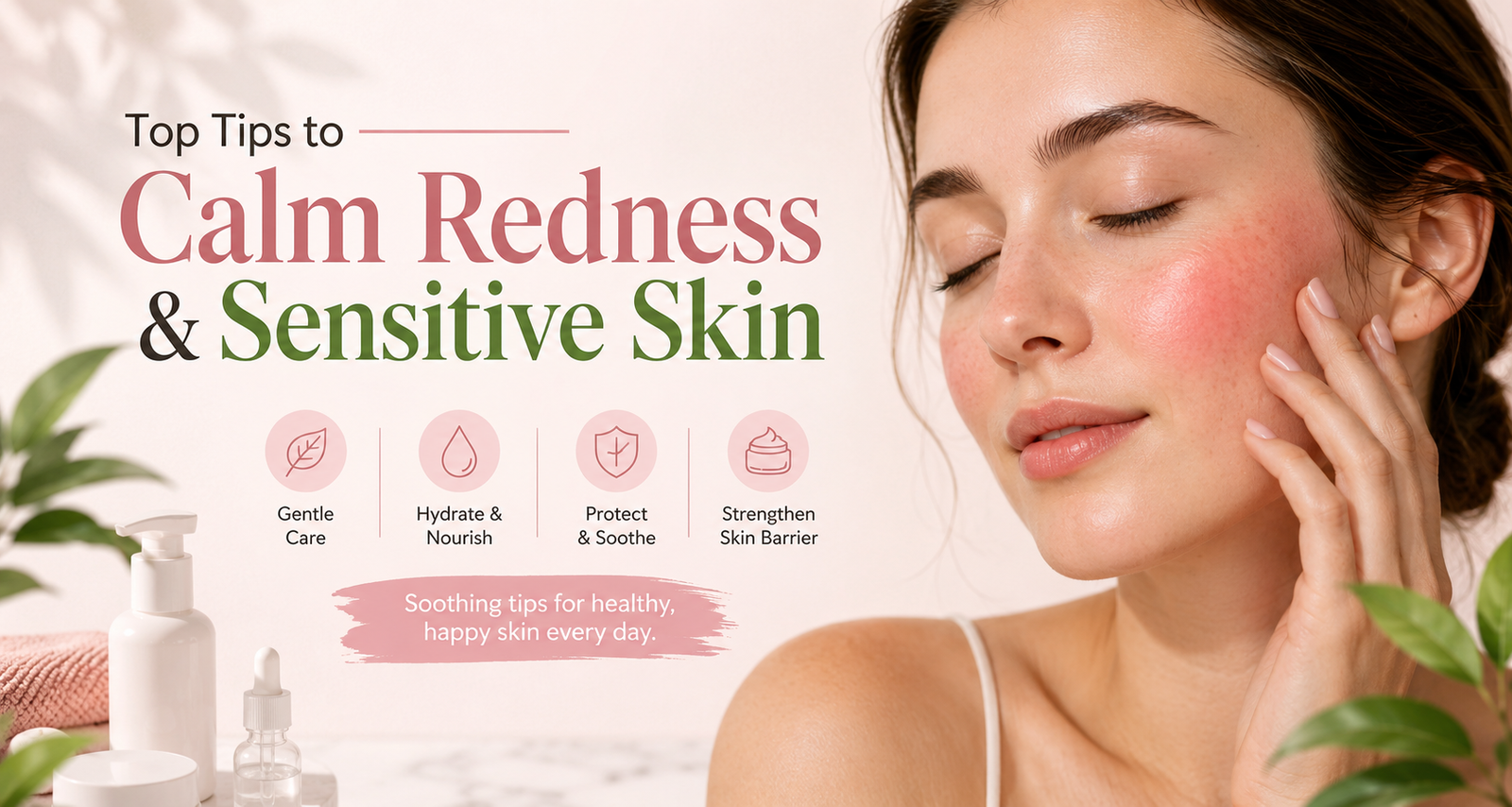
Sensitive skin is easily irritated by external factors such as skincare products, weather changes, pollution, or even stress. It may react with redness, itching, burning, or stinging sensations.
This skin type can also overlap with other types, meaning you can have oily-sensitive or dry-sensitive skin. The main concern with sensitive skin is maintaining a strong skin barrier.
Gentle care is extremely important for sensitive skin. Fragrance-free, alcohol-free, and hypoallergenic products are usually recommended. Simple skincare routines with fewer products are better because too many active ingredients can trigger reactions.
Patch testing new products before full use is highly recommended. Ingredients like aloe vera, chamomile, and ceramides are often soothing and help strengthen the skin barrier.
Sun protection is also essential because sensitive skin can easily become irritated by UV exposure. With proper care, sensitive skin can become more resilient over time.
How to Identify Your Skin Type at Home
Before building a skincare routine, it is important to identify your skin type correctly. One simple method is the “bare face test.” Wash your face with a gentle cleanser and do not apply any products afterward. Wait for about one to two hours and observe how your skin behaves.
If your skin feels comfortable with no excessive shine or dryness, you likely have normal skin. If your skin becomes shiny, especially in the T-zone, it is likely oily skin. If it feels tight or flaky, it is dry skin. If some areas are oily and others dry, it is combination skin. If your skin becomes irritated, red, or itchy, it may be sensitive skin.
This simple observation can help beginners understand their skin better without needing professional tools.
Building a Basic Skincare Routine for All Skin Types
No matter your skin type, a basic skincare routine usually includes three essential steps: cleansing, moisturizing, and sun protection.
Cleansing helps remove dirt, oil, and impurities from the skin. The type of cleanser you choose should match your skin type. For example, gel cleansers work well for oily skin, while cream cleansers are better for dry skin.
Moisturizing is important for all skin types, even oily skin. It helps maintain hydration and protect the skin barrier. The texture of moisturizer should be chosen based on your skin type.
Sun protection is one of the most important steps. Sunscreen protects the skin from UV damage, premature aging, and pigmentation. It should be used daily regardless of weather or season.
Once the basic routine is established, additional products like serums or exfoliants can be added gradually based on specific skin needs.
Common Mistakes Beginners Make in Skincare
Many beginners make mistakes when starting their skincare journey. One of the most common mistakes is overusing products. More products do not always mean better results; sometimes they can overwhelm the skin.
Another mistake is ignoring skin type and using trending products without understanding compatibility. This often leads to irritation or breakouts.
Skipping sunscreen is another major mistake. Sun damage is one of the leading causes of premature aging and skin problems.
Over-exfoliating is also harmful, especially for sensitive and dry skin types. It can damage the skin barrier and cause long-term issues.
Understanding these mistakes early helps beginners build healthier and more effective skincare habits.
Lifestyle Factors That Affect Skin Type
Skincare is not only about products; lifestyle plays a major role in skin health. Diet, hydration, sleep, and stress levels all influence how your skin behaves.
A balanced diet rich in vitamins, antioxidants, and healthy fats supports skin health. Drinking enough water helps maintain hydration from within.
Lack of sleep can lead to dull skin, dark circles, and breakouts. Stress can also trigger acne and sensitivity.
Environmental factors like pollution, humidity, and climate changes can also affect skin type temporarily. That is why skincare routines often need adjustment depending on the season or location.
Conclusion: Starting Your Skin Journey the Right Way
Understanding the five basic skin types is the first and most important step in building an effective skincare routine. Whether your skin is normal, oily, dry, combination, or sensitive, each type has its own needs and challenges.
The key to healthy skin is not perfection but consistency and awareness. When you understand your skin, you can choose better products, avoid common mistakes, and build a routine that truly works for you.
A thoughtful skincare journey starts with knowledge. Once you know your skin type, you are already ahead in taking care of your skin the right way.