

How Innovation Is Reshaping the Future of Fine Jewelry
The diamond industry has experienced remarkable changes over the past decade. Once defined primarily by traditional mining methods and conventional craftsmanship, it is now embracing cutting-edge technology that is transforming every stage of the jewelry journey. From production techniques and ethical sourcing to digital customization and smarter shopping experiences, innovation has introduced a new level of transparency, efficiency, and creativity.
Today’s consumers are more informed than ever before. They seek products that align with their values while still delivering exceptional beauty and quality. As technology continues to evolve, it is making diamonds more accessible, helping manufacturers improve precision, and allowing customers to make confident purchasing decisions.
This technological transformation extends beyond manufacturing. Artificial intelligence, advanced imaging, blockchain verification, and sustainable production methods are all redefining how diamonds are created, evaluated, marketed, and appreciated. These developments are creating a future where luxury is no longer measured solely by rarity but also by responsibility, innovation, and personalization.
Technology Is Redefining Diamond Creation
One of the most significant advancements in the diamond industry is the ability to produce diamonds through highly controlled scientific processes. These modern methods replicate the natural conditions under which diamonds form beneath the Earth’s surface, resulting in stones that possess the same physical, chemical, and optical characteristics as mined diamonds.
This innovation has expanded consumer choices without compromising beauty or durability. The precision involved in the production process allows manufacturers to create diamonds with remarkable consistency while reducing dependence on large-scale mining operations.
Technology also enables continuous improvements in quality control. Sophisticated monitoring systems ensure that each stage of production meets strict standards, leading to diamonds with exceptional brilliance and structural integrity.
As manufacturing techniques continue to advance, consumers gain access to a wider variety of designs, sizes, and quality options suited to different styles and budgets.
Smarter Quality Assessment Through Advanced Technology
Modern grading methods have become significantly more accurate thanks to technological innovation. Instead of relying solely on manual observation, laboratories now use high-resolution imaging, laser mapping, and digital analysis to evaluate each diamond with incredible precision.
These advanced systems examine clarity, symmetry, proportions, and cut quality more consistently than ever before. This improves confidence for both retailers and consumers by reducing subjectivity during the grading process.
Artificial intelligence is also beginning to assist experts by identifying microscopic characteristics that may not be immediately visible through traditional inspection methods. Rather than replacing human expertise, these tools enhance accuracy and consistency.
The result is greater trust throughout the purchasing process, allowing customers to better understand the qualities that contribute to a diamond’s overall appearance and value.
Sustainability Is Becoming a Driving Force
Environmental awareness has become one of the strongest influences on the modern jewelry industry. Consumers increasingly want products that reflect responsible production practices, and technology has helped manufacturers meet these evolving expectations.
Innovative production facilities often require significantly fewer natural resources compared to traditional mining. Modern equipment is designed to improve energy efficiency, reduce waste, and optimize manufacturing processes without sacrificing quality.
Digital monitoring systems also allow manufacturers to measure environmental performance more effectively. By collecting real-time production data, companies can continuously improve efficiency while reducing their environmental footprint.
Beyond production itself, technology supports responsible sourcing through better documentation, traceability, and certification systems. Customers now have access to more detailed information about the origin and production journey of their jewelry than ever before.
These improvements demonstrate how innovation can successfully combine luxury with greater environmental responsibility.
Digital Experiences Are Transforming Jewelry Shopping
Technology has changed not only how diamonds are made but also how customers discover and select them.
Interactive websites, virtual consultations, and advanced visualization tools allow buyers to explore countless options from the comfort of their homes. High-definition photography, 360-degree videos, and augmented reality applications provide detailed views that help customers appreciate every aspect of a diamond before making a decision.
Virtual try-on technology has become particularly valuable. Customers can see how different ring styles appear on their hands using smartphones or computers, making the selection process more engaging and convenient.
Data-driven recommendation systems further personalize the shopping experience by suggesting designs based on individual preferences, budgets, and style choices. This level of customization helps customers find jewelry that genuinely reflects their personalities.
Technology has made purchasing fine jewelry a more informed and enjoyable experience than ever before.
Personalized Designs Made Possible Through Innovation
Customization has become one of the defining trends in modern jewelry, and technology is the driving force behind this shift.
Computer-aided design software enables jewelers to create highly detailed digital models before production even begins. Customers can review every angle, request modifications, and visualize the final design with exceptional accuracy.
Three-dimensional printing has further streamlined the design process by producing highly precise prototypes that allow adjustments before the final piece is crafted. This minimizes production errors while ensuring customer satisfaction.
These digital tools provide greater creative freedom for both designers and customers, resulting in jewelry that feels more meaningful and personal.
Instead of choosing from limited collections, consumers can now participate directly in creating pieces that celebrate their unique stories and milestones.
Transparency Builds Greater Consumer Confidence
Trust has always been essential in the diamond industry. Today, technology is strengthening that trust through improved transparency.
Digital certification systems provide secure documentation that customers can access quickly and easily. Advanced tracking technologies help verify important details about a diamond’s journey from production to finished jewelry.
Blockchain technology has emerged as another important innovation by creating permanent digital records that cannot easily be altered. These systems enhance confidence by providing reliable information regarding authenticity and production history.
Consumers increasingly appreciate having detailed information available at every stage of the buying process. Transparency not only strengthens confidence but also encourages higher industry standards.
Modern Preferences Are Influencing Engagement Ring Choices
Engagement rings continue to represent one of life’s most meaningful purchases, but consumer expectations have evolved considerably.
Many couples now prioritize long-term value, responsible production, timeless design, and exceptional craftsmanship when selecting a ring. Rather than focusing exclusively on tradition, they seek pieces that reflect both personal style and modern values.
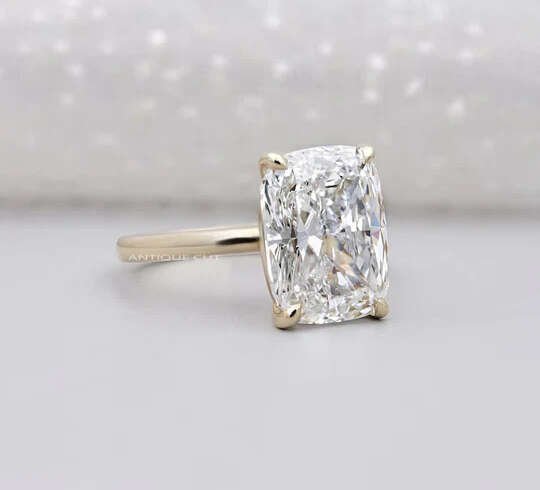
For those planning to buy lab grown diamond solitaire engagement ring, today’s technology offers greater flexibility in choosing the ideal combination of cut, clarity, setting, and overall design. Modern production methods provide access to beautiful solitaire styles while maintaining the brilliance and elegance associated with classic engagement jewelry.
The availability of advanced customization options further allows couples to create rings that are both distinctive and deeply personal, making each proposal even more memorable.
How Antiquecut Reflects the New Era of Jewelry
As technology continues to reshape the jewelry industry, brands that embrace innovation while maintaining exceptional craftsmanship are helping define the future of fine jewelry. Antiquecut represents this modern approach by offering thoughtfully designed solitaire collections that combine timeless elegance with contemporary production standards.
By focusing on quality, precision, and refined craftsmanship, the brand reflects how technological advancements can enhance both beauty and customer experience. Modern consumers increasingly appreciate jewelry that balances sophisticated design with responsible production practices, and this evolving approach continues to influence purchasing decisions across the industry.
The future of fine jewelry lies in combining innovation with artistry, ensuring that every piece remains meaningful while benefiting from the latest advancements in design and manufacturing.
Conclusion
Technology has fundamentally transformed the diamond industry, introducing improvements that extend far beyond production. Advanced manufacturing techniques, digital design tools, artificial intelligence, enhanced grading systems, and greater transparency have all contributed to a more informed and customer-focused marketplace.
These innovations allow consumers to explore a wider range of options while enjoying greater confidence in quality, authenticity, and sustainability. At the same time, jewelers benefit from improved precision, enhanced creativity, and more efficient production processes.
As technology continues to advance, the future of fine jewelry will become even more personalized, transparent, and environmentally conscious. Rather than replacing traditional craftsmanship, innovation is enhancing it, creating jewelry that honors timeless elegance while embracing modern progress. The result is an industry that is better equipped to meet the expectations of today’s consumers and future generations alike.