
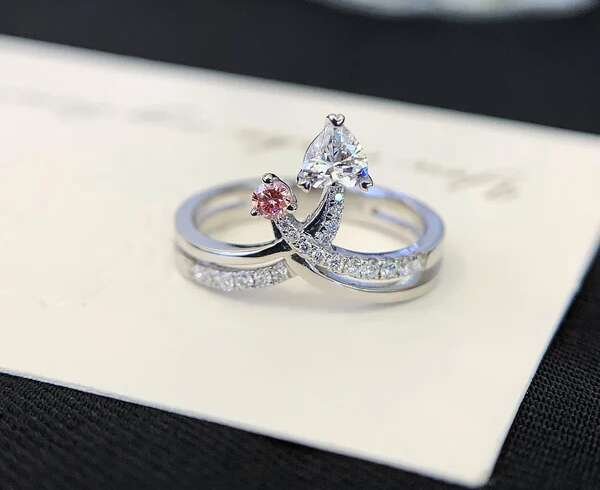

Jewelry design has always evolved alongside changing tastes, lifestyles, and artistic influences. While traditional styles continue to hold their importance, modern buyers are increasingly drawn toward designs that offer individuality and a fresh perspective. One of the most noticeable developments in contemporary jewelry is the growing popularity of blended finishes, where different metals, textures, or design elements are combined to create a distinctive visual effect.
Blended finishes allow jewelers to move beyond conventional designs by introducing contrast and depth. Instead of relying on a single material or uniform appearance, these creations combine different elements to produce jewelry that feels more dynamic and personalized.
This design approach has become especially appealing among individuals who want pieces that reflect their personality while maintaining the elegance expected from fine jewelry. Whether through contrasting gold tones, mixed textures, or innovative craftsmanship techniques, blended finishes provide a balance between tradition and modern expression.
As jewelry preferences continue to shift toward customization and individuality, blended finishes have become a defining feature of contemporary luxury collections. Their ability to create visual interest while preserving sophistication explains why they continue gaining recognition among designers and collectors.
The Appeal of Combining Different Elements in Jewelry Design
Blended finishes are popular because they introduce a sense of creativity and uniqueness. Traditional jewelry often focuses on a single metal or consistent finish, while modern designs explore combinations that create greater visual impact.
The contrast between different materials allows specific details to stand out. A combination of polished and matte surfaces, for example, can highlight the craftsmanship of a piece by creating subtle variations in texture. Similarly, combining different metal colors can emphasize the shape and structure of a design.
This approach gives jewelers greater freedom to experiment. Instead of being limited to one aesthetic direction, designers can create pieces that feel classic yet contemporary.
Blended finishes also offer versatility. A ring featuring multiple tones can complement different styles of clothing and personal preferences, making it suitable for individuals who appreciate flexibility in their jewelry choices.
The growing interest in these designs reflects a broader movement toward self-expression. Today’s buyers often prefer jewelry that feels personal rather than identical to traditional styles seen everywhere.
For individuals interested in exploring contemporary diamond jewelry styles, those who buy two tone lab grown diamond rings often appreciate how blended finishes provide a distinctive appearance while complementing the brilliance of the gemstone.
How Two-Tone Designs Create Modern Elegance
Among the many blended finish techniques, two-tone designs have become particularly admired for their ability to create balance and contrast. Combining different metal shades allows jewelry to achieve a sophisticated appearance while maintaining a timeless character.
White gold, yellow gold, and rose gold each contribute different visual qualities. White gold offers a clean and contemporary look, yellow gold provides warmth and tradition, while rose gold introduces a softer and romantic appearance. When combined carefully, these metals create harmony rather than competition.
The appeal of two-tone designs extends beyond appearance. They allow wearers to combine different jewelry preferences within one piece. Someone who enjoys both classic and modern styles can appreciate a ring that incorporates elements of each.
Designers also use two-tone finishes to create visual movement. The contrast between metals can highlight curves, patterns, or specific areas of a piece, making the craftsmanship more noticeable.
This combination of practicality and artistic expression has helped two-tone jewelry maintain its growing popularity among modern buyers.
Craftsmanship Behind Successful Blended Finishes
Creating a beautiful blended finish requires exceptional skill and precision. Combining different materials is not simply a matter of placing two elements together; it requires careful planning to achieve a seamless and balanced result.
Experienced artisans consider factors such as proportion, durability, color harmony, and overall design flow. Each section must complement the others while maintaining structural strength for everyday wear.
The finishing process is equally important. Polishing, texturing, and refining each surface requires attention to detail. Even small differences in technique can influence how the final piece reflects light and appears when worn.
In fine jewelry, craftsmanship determines whether a blended design feels sophisticated or unbalanced. Successful combinations create a natural relationship between different elements, allowing each component to enhance the overall appearance.
Advanced jewelry techniques have made it possible to achieve more creative combinations than ever before. Modern tools and traditional skills work together to produce designs that reflect both innovation and heritage.
This dedication to craftsmanship is one reason blended finishes continue to gain respect within luxury jewelry collections.
Why Personalized Jewelry Continues to Grow in Popularity
Modern consumers increasingly value jewelry that reflects their identity, experiences, and personal preferences. Rather than choosing pieces solely based on established traditions, many buyers now seek designs that feel unique to them.
Blended finishes support this desire for individuality by offering countless possibilities. Different metal combinations, textures, and settings allow designers to create pieces that match specific personalities and lifestyles.
This trend is particularly noticeable among younger jewelry buyers who appreciate flexibility and creative expression. They often prefer designs that can transition between different occasions while maintaining a distinctive character.
Personalization has also strengthened the emotional connection people have with their jewelry. A carefully selected piece becomes more than an accessory; it becomes a reflection of personal taste and memorable moments.
As customization continues influencing the jewelry industry, blended finishes are likely to remain an important design direction. Their ability to combine innovation with timeless elegance makes them suitable for both contemporary collections and future heirlooms.
Understanding Modern Jewelry Choices with Antiquecut
Selecting jewelry with a blended finish requires an understanding of design quality, material combinations, and craftsmanship techniques. Appreciating these details helps buyers recognize the artistry behind each creation.
With its focus on jewelry education and craftsmanship, Antiquecut provides valuable insights into the elements that define exceptional diamond jewelry. Understanding design principles and finishing techniques allows individuals to appreciate how modern jewelry achieves both beauty and lasting appeal.
Conclusion
Blended finishes have become increasingly popular in modern jewelry because they offer a unique combination of creativity, versatility, and timeless sophistication. By combining different metals, textures, and design elements, jewelers can create pieces that feel both innovative and elegant.
The popularity of two-tone and mixed-finish designs reflects a larger shift toward personalization and individuality. Today’s buyers want jewelry that represents their style while maintaining the craftsmanship and quality associated with fine jewelry.
As technology and artistry continue to develop, blended finishes will remain an important part of modern jewelry design. Their ability to create contrast, enhance visual appeal, and express personal identity ensures that they will continue inspiring designers and collectors for years to come.