

Starting an online store in Saudi Arabia opens up real sales opportunities. But before anything else, most business owners just want to know one thing — what’s this actually going to cost?
Honestly, the final price swings a lot, because no two stores need exactly the same things. A small catalog site might get away with basic features. A large marketplace needs advanced search, layered payment systems, inventory management, custom integrations — a whole different scope entirely.
Understanding what actually drives the cost helps you set a budget that’s realistic, not just a guess. This guide walks through the main pricing factors behind ecommerce website development Saudi Arabia projects, and what’s worth thinking about before you pick a development approach.
What Does eCommerce Development Actually Cost?
There’s no single number here, and honestly there never really is. Developers usually price things based on design, functionality, platform, integrations, security needs, and how complex the overall project actually is.
As a rough planning range, here’s what you’ll typically run into:
- Basic online store: SAR 5,000–15,000
- Professional ecommerce website: SAR 15,000–40,000
- Custom ecommerce platform: SAR 40,000–100,000+
- Large marketplace or enterprise platform: SAR 100,000+
These are budgeting ranges, not fixed prices you can just lock in. Your actual quote shifts based on product count, custom features, integrations, design complexity, and whatever ongoing support you’re expecting afterward.
Always get a detailed proposal before comparing quotes across providers. A suspiciously low quote might just be leaving out maintenance, payment integration, SEO, or security — stuff that shows up as a surprise bill later.
What Actually Drives the Cost Up or Down?
A handful of factors really shape the final number.
Website design. A ready-made theme keeps costs down. A custom interface needs a lot more design and development work. If you’re selling premium products, custom design usually pays for itself in how the brand comes across.
Number of products. A 20-product store needs way less setup than one with thousands of items spread across multiple categories. Bigger catalogs also usually need advanced filters and better search — that’s extra build time.
Payment gateway integration. Saudi stores generally need secure payment options that actually fit local customers. Developers have to integrate the gateways and test the full range — successful transactions, failures, refunds, cancellations, all of it.
Shipping integration. If you’re delivering products, you’re probably looking at shipping APIs, delivery tracking, automated order updates, and different rate structures depending on location.
Custom features. Customer accounts, wish lists, subscriptions, product comparisons, loyalty programs, personalized recommendations — each one adds real development time, even if it sounds small on a feature list.
This is exactly why two ecommerce website development Saudi Arabia projects can look nearly identical on paper and still land at completely different budgets.
Which Platform Should You Actually Pick?
Your platform choice genuinely shapes both development cost and what you’ll be paying month to month afterward.
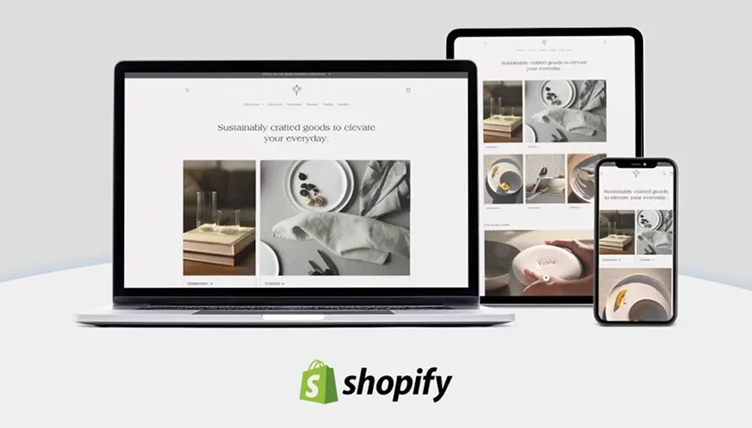
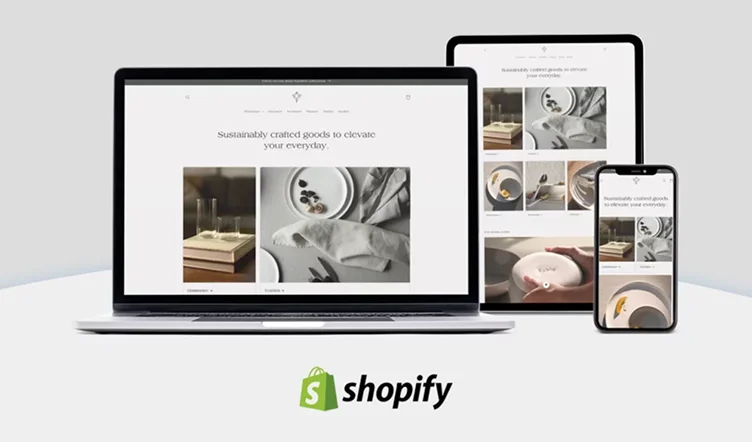
Shopify. Good for launching fast. Hosted infrastructure, huge app ecosystem, less setup headache upfront. Just factor in recurring subscription and app costs — those add up quicker than people expect.
WooCommerce. Runs on WordPress, gives you a lot of flexibility. Good fit if you want real control over your site and content. Hosting, plugins, development, maintenance — all separate line items you’re managing yourself.
Custom development. Gives you the most control over functionality and integrations. Makes sense for businesses with genuinely unique workflows or complex needs — but it costs more, no way around that.
The right platform really depends on your products, budget, technical needs, and where you’re trying to grow. Don’t pick something just because a competitor uses it — their situation isn’t yours.
What Every Saudi Online Store Actually Needs
A good ecommerce site is more than a bunch of product pages thrown together. Customers expect something simple to use and genuinely trustworthy.
Worth having:
- Mobile-friendly design
- Product search and filtering
- Shopping cart
- Secure checkout
- Payment gateway integration
- Shipping options
- Order tracking
- Customer accounts
- Product reviews
- Inventory management
- Contact and support options
- Arabic and English language support
Think about SEO from day one too, not as an afterthought. Clean URLs, genuinely useful product descriptions, optimized images, sensible navigation, fast-loading pages — all of it feeds into organic visibility over time.
For Saudi customers specifically, Arabic support makes a real difference — better accessibility, and honestly a much more comfortable shopping experience for a huge chunk of your audience.
Costs People Forget to Budget For
Development’s just one piece of the total investment, not the whole thing. A few recurring costs are easy to overlook until they show up.
Hosting. Hosted platforms often bundle infrastructure costs in. Self-hosted stores need their own hosting arranged separately.
Domain. You need a name that actually fits your business — and for Saudi-targeted stores, a local domain’s worth considering too.
Maintenance. Regular updates keep things secure and working — software updates, backups, bug fixes, performance tweaks. Skip this, and problems pile up fast.
SEO and content. Product pages need real descriptions, good images, category content, ongoing optimization. Cost here scales with product count and how competitive your market actually is.
Security. SSL, monitoring, backups, and whatever else fits your platform and risk level — budget for this properly, not as an afterthought.
Factor these in early, and you’ll get a much more honest picture of what actually running the store costs, not just building it.
How to Actually Keep Costs Under Control
You don’t need every advanced feature on day one — genuinely, most stores don’t. A phased approach keeps the budget manageable.
Start with what customers actually need first. Launch the core store, watch how people actually shop, then add features based on real demand instead of guessing.
A small fashion retailer, for example, might launch with product categories, online payments, shipping, customer accounts, and basic inventory management. Once there’s enough sales data to work with, loyalty features or personalization can come later, when they’ll actually be used.
Before development starts, build a feature list and split it into:
- Essential features — need these to launch
- Useful improvements — nice to have, can wait
- Future features — save for once you’ve got real usage data
This alone prevents a lot of unnecessary spend early on.
FAQs
How much does an ecommerce site actually cost in Saudi Arabia?
Basic stores start around SAR 5,000–15,000. Professional and custom projects run considerably higher. Final price hinges on features, platform, integrations, and design complexity.
Is Shopify actually cheaper than custom development?
Can lower the upfront complexity, since it’s hosted. But factor in subscription fees, app costs, transaction fees, and customization — total cost often ends up closer than people assume.
How long does building an online store actually take?
A basic store might take a few weeks. A custom platform can stretch into several months. Product prep, content, integrations, testing, approvals — all of it affects the actual timeline.
Does my store actually need Arabic support?
If you’re targeting Arabic-speaking customers, yes — it genuinely improves usability and builds trust. Bilingual audiences are usually best served with both Arabic and English versions available.
Should I go with custom development?
Makes sense if you’ve got unique workflows or functionality that standard platforms just can’t handle well. Smaller businesses often do fine starting with a simpler setup first.
Conclusion
The cost of ecommerce website development Saudi Arabia businesses invest in really comes down to your business model, platform, design, features, integrations, and long-term plans. A small store and a large marketplace are naturally going to land in completely different budget ranges.
Before hiring anyone, put together a clear list of what you actually need and ask for a detailed quote. Compare the full project cost — maintenance, security, scalability, support — not just the number on the first invoice.
If you’re planning an online store in Saudi Arabia, start by getting clear on your products, customers, payment needs, and delivery model. Then pick a development approach that fits your current budget while still leaving room to grow later.