
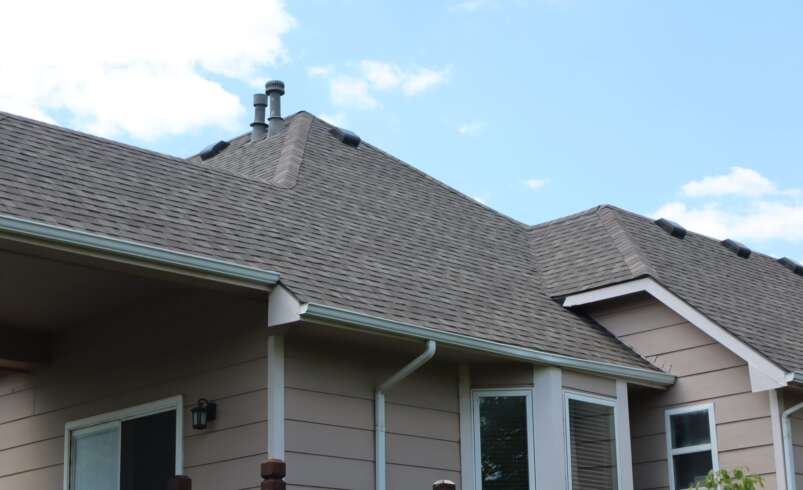

A commercial roof is one of the most valuable protective features of a business property. It helps keep the building dry, protects equipment and inventory, and provides a safer environment for employees, customers, and visitors. Because commercial roofs are exposed to weather throughout the year, regular care is important.
Rain, wind, hail, sunlight, falling debris, and normal aging can all affect a roofing system. Some problems are easy to notice, while others can remain hidden until they cause a leak or interior damage. Knowing when to inspect, repair, maintain, or replace a roof can help property owners avoid unnecessary disruption.
This guide explains commercial roofing services and storm damage roofing services in simple terms. It also covers common roofing problems, the importance of professional inspections, and practical considerations when choosing a roofing contractor.
Why Commercial Roofing Requires Regular Attention
Commercial buildings often have large roof areas and may include rooftop equipment, drainage systems, vents, skylights, and other features. Each of these areas can require attention over time.
A roof can appear to be in good condition from the ground while still having problems in less visible locations. For example, a damaged seam or small opening may allow water to enter the roofing system before a ceiling stain appears inside.
Regular inspections provide an opportunity to identify potential concerns earlier. They can also give property owners a better understanding of the roof’s condition and help with future maintenance planning.
Common Causes of Commercial Roof Damage
Roofing problems can develop for many reasons. Weather is one factor, but age, drainage problems, foot traffic, installation issues, and a lack of maintenance can also contribute.
The most common warning signs include:
- Leaks and water stains: Moisture entering the building may appear as stains on ceilings or walls. Even a small leak deserves attention because continued moisture can cause additional damage.
- Standing water: Water that remains on the roof after rainfall may indicate a drainage problem. Repeated standing water can place additional stress on roofing materials.
- Damaged flashing: Flashing protects vulnerable areas where roofing materials meet walls, edges, vents, and other structures. Loose or damaged flashing can create opportunities for water intrusion.
- Cracks and punctures: Roofing materials can become damaged by severe weather, debris, equipment work, or normal aging.
- Drainage problems: Blocked drains, gutters, or other drainage components can prevent water from leaving the roof as intended.
Not every problem requires a complete roof replacement. A professional evaluation can help determine the most suitable response.
What Commercial Roofing Services Can Include
Commercial roofing services cover a broad range of work. The appropriate service depends on the type, age, and condition of the existing roof.
Commercial Roof Inspections
A professional inspection can help identify visible and developing roofing concerns. Depending on the property, the inspection may include the roof surface, seams, flashing, drainage areas, edges, and locations around rooftop equipment.
Property owners should receive clear information about what the contractor finds. If repairs are recommended, the contractor should explain the reason for the recommendation and the possible consequences of delaying the work.
Commercial Roof Repairs
Repairs can be appropriate when damage is limited and most of the roofing system remains in suitable condition.
Depending on the problem, repairs may address leaks, damaged materials, flashing, seams, punctures, or drainage concerns. The repair method should be suitable for the existing roofing system.
A quality repair should focus on the source of the problem rather than simply covering the visible symptom.
Commercial Roof Maintenance
Maintenance allows property owners to monitor their roofs and address smaller concerns before they become more disruptive. Routine care can include inspections, drainage checks, removal of appropriate debris, and attention to vulnerable areas.
Preventive maintenance cannot prevent every possible problem, but it can help property owners make decisions based on the actual condition of the roof.
How Severe Weather Can Affect a Commercial Roof
Severe weather can cause sudden roofing problems. Strong winds may loosen materials or damage roof edges. Hail can affect exposed surfaces, while heavy rain can expose weak areas or overwhelm drainage systems.
Debris carried by strong winds can also puncture roofing materials. Some storm damage is immediately visible, but other problems may not become apparent until rain enters the building.
After a significant storm, property owners should pay attention to new leaks, ceiling stains, damaged roof components, unusual drainage problems, or visible changes to the exterior.
Understanding Storm Damage Roofing Services
Storm damage roofing services help property owners assess and address roofing problems caused by severe weather.
Schedule an Inspection After Major Weather
A professional inspection can provide a clearer picture of what happened to the roof. A contractor can examine areas exposed to wind, hail, heavy rain, and debris.
Documentation can also be valuable. Photographs and written inspection findings can help property owners keep accurate records of the roof’s condition.
Respond to Leaks Quickly
If water is entering the building after a storm, prompt action is important. Moisture can affect ceilings, walls, insulation, electrical equipment, inventory, and other property.
Temporary protection may sometimes be necessary while permanent repairs are being arranged. The appropriate response depends on the type and severity of the damage.
Look Beyond the Visible Problem
The place where water appears inside the building may not be directly beneath the damaged portion of the roof. Water can move through roofing and building materials before becoming visible.
For that reason, an inspection should consider the surrounding roof area rather than focusing only on the location of an interior stain.
When Is Commercial Roof Repair Appropriate?
Repair may make sense when damage is localized and the existing roof remains generally sound. For example, a limited leak or damaged section may be addressed without replacing the entire roofing system.
The decision should consider more than the immediate repair cost. The roof’s age, previous repair history, remaining service life, and overall condition can influence whether repair is a practical choice.
A professional contractor should explain the available options and provide enough information for the property owner to make an informed decision.
When Might Roof Replacement Be Necessary?
Replacement may be considered when a roof has extensive deterioration or repeated problems that repairs can no longer reasonably address.
An older roof does not automatically need replacement. Likewise, a newer roof can sometimes have serious damage. The condition of the roofing system is more important than age alone.
A professional assessment can help determine whether continued repairs, restoration, or replacement is the most reasonable approach for the property.
How to Choose a Commercial Roofing Contractor
Choosing a contractor is an important step because the quality of installation and repair work can affect the performance of the roof for years.
When comparing contractors, consider:
- Experience: Look for relevant commercial roofing experience, particularly with properties similar to yours.
- Written proposals: Request an estimate that clearly describes the work, materials, expected schedule, and costs.
- Reputation: Reviews, references, and examples of completed projects can provide useful information about past performance.
- Communication: A reliable contractor should answer questions clearly and explain recommendations in language that property owners can understand.
- Warranty terms: Ask about material and workmanship warranties and review their terms before approving the project.
A low price can be attractive, but it should not be the only deciding factor. The quality of materials, workmanship, communication, and project details also matter.
What to Know About Insurance Claims
Storm damage may be covered by a property insurance policy, but coverage depends on the policy terms and specific circumstances. Property owners should contact their insurance provider to understand the claims process.
A roofing contractor can document observed damage and provide repair information, but the insurance company makes coverage decisions based on the applicable policy.
Keeping photographs, inspection reports, invoices, maintenance records, and previous repair documents can help maintain a useful history of the roofing system.
Why Preventive Roof Care Makes Sense
Roofing problems are often easier to manage when they are identified early. Preventive care can give property owners more time to plan repairs and reduce the likelihood of unexpected disruptions.
Regular inspections, proper drainage maintenance, prompt attention to leaks, and professional evaluations after severe weather can all support better roof management.
The goal is not to prevent every roofing problem. Instead, it is to understand the condition of the roof and respond appropriately when concerns arise.
Final Thoughts
A commercial roof protects much more than the building itself. It helps safeguard the people, equipment, inventory, and operations inside the property. Taking a proactive approach to inspections and maintenance can help property owners make better decisions throughout the roof’s service life.
If your building has experienced severe weather, visible damage, or a recurring leak, a professional assessment can provide useful information about the next steps. Whether the right solution involves maintenance, repair, restoration, or replacement, the decision should be based on the actual condition of the roofing system.
For property owners seeking commercial roofing services or storm damage roofing services, Wichita Roofing Pros can be considered when looking for local roofing assistance and discussing suitable solutions for a commercial property.