

A commercial HVAC problem can quickly become a business problem. When your building suddenly loses heating or cooling, employees may become uncomfortable, customers may leave, and equipment or inventory could be affected. Knowing what to do when an HVAC system stops working can help you respond quickly and avoid unnecessary damage.
A reliable commercial HVAC emergency service can help identify the cause of the problem, make the necessary repairs, and get your system back to normal operation. Whether you operate a restaurant, retail store, office, warehouse, healthcare facility, or other commercial property, having a plan for HVAC emergencies can make a major difference.
What Counts as a Commercial HVAC Emergency?
Not every HVAC issue requires immediate emergency service, but some problems should not be left until the next scheduled appointment. A complete system shutdown during extreme weather is one of the most obvious examples.
Other situations that may require urgent attention include unusual burning smells, electrical problems, refrigerant leaks, water leaking around the equipment, loud or unusual noises, or a system that repeatedly shuts down. Poor airflow or major temperature changes throughout a building can also indicate a developing problem.
If you notice something unusual, avoid repeatedly restarting the equipment. Continuing to operate a damaged system can sometimes make the problem worse.
Common Causes of Commercial HVAC Emergencies
Commercial HVAC systems contain many components that must work together. A failure in one part can affect the performance of the entire system.
Electrical Problems
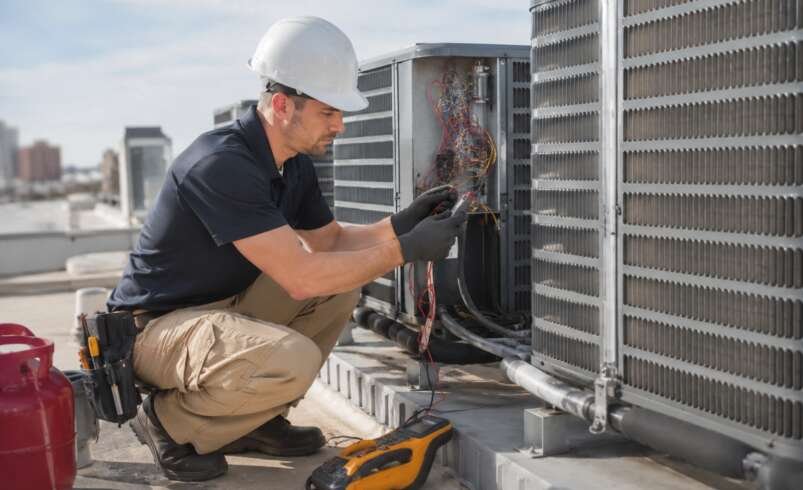
Faulty wiring, damaged capacitors, failed contactors, and other electrical issues can prevent HVAC equipment from starting or operating correctly. Electrical problems can also create safety concerns, so they should be handled by a qualified professional.
Refrigerant Problems
Low refrigerant levels can reduce cooling performance and cause equipment to run longer than necessary. Refrigerant problems may be related to leaks or other system issues that require professional diagnosis.
Dirty Coils and Filters
Blocked filters and dirty coils restrict airflow and reduce heat transfer. Over time, this can place additional strain on compressors, fans, and other components.
Mechanical Component Failure
Belts, motors, bearings, compressors, fans, and other mechanical components can wear out with regular use. Commercial systems that operate for long hours may require more frequent inspection and maintenance.
Control and Thermostat Issues
A faulty sensor, thermostat, control board, or building automation component can cause incorrect temperatures or prevent equipment from responding properly.
What Should You Do During an HVAC Emergency?
The first step is to assess the situation without putting yourself or your employees at risk. If you smell burning, see smoke, notice exposed electrical components, or suspect a serious electrical problem, shut the equipment down if it is safe to do so and contact a qualified technician.
Next, check simple issues such as thermostat settings and whether the system has power. Do not attempt complex electrical, refrigerant, or mechanical repairs yourself.
If the problem continues, contact a professional commercial HVAC emergency service provider. Give the technician as much information as possible, including when the problem started, what the system is doing, unusual sounds or smells, and whether the issue affects the entire building or only certain areas.
When Should You Search for Commercial AC Repair Near Me?
During a cooling failure, searching for commercial ac repair near me can help you find a service provider that works in your area. However, proximity should not be the only consideration.
Look for a company with experience working on commercial equipment similar to yours. Ask about service availability, the types of systems they repair, emergency response options, and whether they provide ongoing maintenance.
A technician who understands commercial HVAC systems can often diagnose problems more efficiently because they are familiar with the larger equipment, controls, airflow requirements, and operating conditions found in commercial buildings.
Why Preventive HVAC Maintenance Matters
Emergency repairs can often be reduced with a consistent maintenance program. Preventive service allows technicians to inspect important components, identify developing problems, clean equipment, and check system performance before a major failure occurs.
Maintenance schedules should be based on the type of equipment, operating hours, building conditions, and manufacturer’s recommendations. A busy restaurant, for example, may have very different HVAC demands than a small office.
Keeping service records is also helpful. Maintenance history can show recurring problems and help technicians understand how equipment has performed over time.
Commercial Ice Machine Maintenance Is Also Important
For restaurants, hotels, healthcare facilities, grocery stores, and other businesses, refrigeration equipment is just as important as the HVAC system. Commercial ice machine maintenance can help keep ice production consistent and reduce unexpected equipment problems.
Regular service may include inspecting water lines, checking filters, cleaning important components, examining condenser areas, and looking for signs of scale or buildup. The exact maintenance requirements depend on the equipment and manufacturer’s instructions.
A poorly maintained ice machine may produce less ice, operate inefficiently, or develop sanitation and performance problems. Scheduling professional maintenance can help businesses identify these issues before they interfere with daily operations.
How to Reduce the Risk of HVAC Emergencies
Businesses can take several practical steps to reduce unexpected HVAC problems.
- Schedule regular professional inspections and maintenance.
- Replace or clean filters according to equipment requirements.
- Keep outdoor equipment clear of debris and obstructions.
- Pay attention to unusual sounds, smells, leaks, or temperature changes.
- Keep HVAC service records for future reference.
- Address small performance problems before they become major failures.
- Know how to contact your commercial HVAC service provider during an emergency.
It is also useful to know where important equipment is located and which systems serve different areas of the building. This information can help technicians respond more efficiently when a problem occurs.
Choosing the Right Commercial HVAC Service Provider
When choosing a commercial HVAC company, consider more than just price. Experience with commercial equipment, response times, service coverage, maintenance options, and communication are all important.
A good service provider should be able to explain the problem clearly and provide practical repair recommendations. They should also help you understand whether a repair, component replacement, or maintenance adjustment is the most appropriate solution.
For businesses that depend heavily on temperature control, establishing a relationship with a reliable HVAC service provider before an emergency occurs can make the response much easier.
Final Thoughts
Commercial HVAC failures can interrupt business operations, but proper preparation and professional service can help reduce the impact. Recognizing warning signs, responding safely, and scheduling regular maintenance are practical ways to protect your equipment and avoid unnecessary downtime.
Whether you need commercial HVAC emergency service, are searching for commercial ac repair near me, or want to stay ahead of problems through commercial ice machine maintenance, timely professional attention can help keep your business systems operating reliably.
FAQs
1. When should I call for commercial HVAC emergency service?
You should consider emergency service when your HVAC system completely stops working, creates unusual burning smells, has a serious leak, produces dangerous electrical symptoms, or cannot maintain safe and necessary building temperatures. If continuing to operate the equipment could cause additional damage or create a safety concern, contact a qualified professional.
2. How can I find reliable commercial AC repair near me?
Look for a commercial HVAC provider with experience servicing businesses in your area and working with equipment similar to yours. Check their service availability, commercial experience, maintenance options, and ability to respond when urgent repairs are needed.
3. How often should commercial HVAC equipment be maintained?
The ideal maintenance schedule depends on the equipment, operating hours, building conditions, and manufacturer’s recommendations. Businesses with systems that operate heavily or continuously may require more frequent inspections than facilities with lighter usage.
4. What does commercial ice machine maintenance include?
Commercial ice machine maintenance can involve inspecting the machine, cleaning appropriate components, checking water and drainage connections, inspecting filters and condenser areas, and looking for buildup or other performance issues. Service should follow the equipment manufacturer’s maintenance requirements.
5. Can regular maintenance prevent HVAC emergencies?
Regular maintenance cannot guarantee that a system will never fail, but it can help identify worn components, airflow problems, electrical issues, and other developing concerns earlier. Addressing these problems before they become major failures can help reduce unexpected downtime and extend the useful life of commercial equipment.