

A home renovation does not have to stop at the front door. While updating kitchens, bathrooms, bedrooms, and living spaces can transform the inside of a property, exterior improvements can make the entire home feel more complete. A refreshed exterior can improve curb appeal, create better outdoor spaces, support easier maintenance, and help the property work better for everyday life.
When planning a Full House Renovation, homeowners often focus heavily on interior changes. However, the outside of the property deserves similar attention. The right exterior improvements can connect the indoor and outdoor areas while creating a consistent look throughout the home.
The key is to plan exterior upgrades around the home’s existing structure, the local climate, drainage needs, maintenance requirements, and the homeowner’s lifestyle. Not every improvement needs to be expensive or extensive. Even carefully selected changes can make a noticeable difference.
Start With the Overall Exterior Design
Before choosing individual improvements, consider how the exterior will look as a whole. A new front door, updated siding, fresh landscaping, improved walkways, and outdoor lighting should work together rather than appearing like separate projects.
Look at the colors, materials, textures, and architectural style of the home. If the interior renovation has a modern, traditional, or transitional style, the exterior can use complementary details to create a consistent appearance.
A coordinated plan can also prevent homeowners from spending money on improvements that may later need to be changed to accommodate another project.
Improve the Front Entrance
The front entrance is one of the first parts of a home visitors notice. Improving this area can make the property feel more welcoming without requiring a complete exterior transformation.
A new front door can create a strong visual focal point. Updated hardware, a clean entry surface, attractive house numbers, and suitable lighting can also improve the appearance.
If the entrance has a porch, consider whether the space can be made more useful. Comfortable seating, durable flooring, and simple decorative elements can turn an unused entrance into a pleasant outdoor area.
Upgrade the Driveway and Walkways
Driveways and walkways experience constant foot and vehicle traffic, so their condition can have a major effect on both appearance and usability.
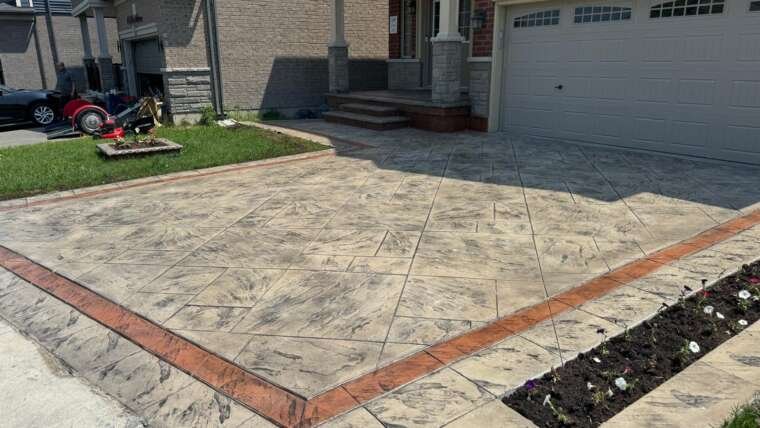
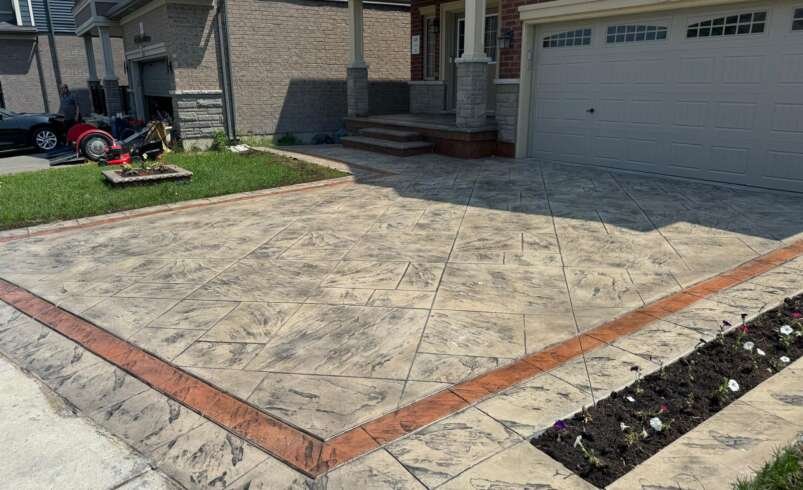
Cracked, uneven, or outdated surfaces may make the property look neglected even after the interior has been beautifully renovated. Replacing or improving these areas can create a cleaner connection between the street, driveway, front entrance, and outdoor spaces.
Concrete And Interlocking materials can provide practical options for creating durable surfaces with different patterns and appearances. The best choice depends on the property’s design, drainage requirements, expected use, and maintenance needs.
When planning these improvements, proper grading and drainage should receive careful attention. Attractive paving is useful, but it should also help direct water away from areas where it could cause damage.
Create a Functional Outdoor Living Area
Outdoor living areas have become an important part of many modern homes. A patio, deck, covered seating area, or outdoor gathering space can provide additional room for relaxing and entertaining.
The design should reflect how you expect to use the space. A family that enjoys outdoor meals may prioritize a dining area, while another household may want comfortable seating around a fire feature or a quiet place for morning coffee.
When the interior and exterior are renovated together, consider how people will move between the two spaces. Large doors, suitable lighting, and an easy connection between indoor and outdoor areas can make the home feel more open.
Refresh the Landscaping
Landscaping can complement architectural improvements while making outdoor spaces more inviting. Plants, trees, shrubs, garden beds, and ground coverings can add texture and visual interest around the property.
Choose plants that are appropriate for the local climate and the amount of sunlight available. Native or well adapted plants can often be easier to maintain because they are suited to local growing conditions.
Landscaping should also be planned around the home’s practical needs. Keep plants away from areas where their roots could create problems, and make sure irrigation and drainage are considered before planting.
A well planned landscape can frame the house without hiding important architectural features.
Improve Exterior Lighting
Exterior lighting can enhance the appearance of a home after sunset while supporting visibility around entrances, walkways, patios, and other frequently used areas.
Different lighting types can serve different purposes. Entry lights can make the front door easier to see, path lighting can help define walkways, and subtle landscape lighting can highlight trees or architectural details.
Avoid excessive lighting that creates glare or makes the property look overly bright. A balanced design usually provides enough illumination while maintaining a comfortable atmosphere.
During a Full House Renovation, homeowners can also consider how interior and exterior lighting work together. Consistent fixture styles and light quality can create a more connected appearance.
Consider Exterior Walls and Finishes
The condition of exterior walls can have a significant impact on curb appeal. Depending on the home’s construction and local conditions, homeowners may consider repainting, replacing damaged siding, repairing masonry, or updating exterior finishes.
Before applying a new finish, identify the reason for existing damage. Peeling paint, cracks, stains, or moisture problems may indicate an underlying issue that should be addressed first.
Choose exterior materials based on durability, maintenance, climate, and appearance. A finish that looks attractive but requires frequent maintenance may not be the best choice for every household.
Update Windows and Exterior Doors
Windows and doors influence both appearance and everyday comfort. Older or damaged units may also contribute to drafts, moisture problems, or unwanted outdoor noise.
Replacing outdated windows can give the exterior a cleaner appearance while supporting better indoor comfort. New exterior doors can provide a visual upgrade and improve the functionality of entrances.
Window and door selections should complement the home’s architectural style. Consider frame colors, proportions, glass options, hardware, and surrounding trim when making decisions.
Add Privacy Features
Privacy improvements can make outdoor spaces more comfortable, particularly when homes are close together or located near busy streets.
Depending on local regulations and property conditions, homeowners might consider fencing, walls, screens, landscaping, or carefully placed plants. The goal should be to create privacy without making the yard feel closed in.
A privacy solution should also allow adequate airflow and natural light where appropriate. Consider how the feature will look from both inside and outside the property.
Plan Exterior Drainage Carefully
Water management is an important part of exterior renovation. Poor drainage can contribute to standing water, soil erosion, damaged landscaping, and moisture problems around the home.
Before installing new patios, walkways, or other hard surfaces, understand how water currently moves across the property. New surfaces should not accidentally direct water toward the foundation or neighboring properties.
Concrete And Interlocking surfaces should be installed with suitable slopes and drainage considerations based on the site. Professional assessment can be especially useful when changing large areas of the property’s surface.
Match Exterior Improvements to Your Renovation Budget
Not every exterior project needs to happen at once. If the interior renovation is already a major investment, prioritize exterior improvements based on function, condition, and long term value.
Start with problems that need attention, such as damaged surfaces, drainage concerns, or deteriorated entrances. Cosmetic upgrades can then be planned around the remaining budget.
This approach can help homeowners avoid overextending themselves while still creating a cohesive property.
Think About Maintenance Before Choosing Materials
A beautiful exterior should also be practical to maintain. Before selecting materials, consider how often they need cleaning, sealing, painting, trimming, or other care.
Families with limited time may prefer durable, low maintenance surfaces and plants that require less ongoing attention. Homeowners who enjoy gardening may be comfortable choosing more demanding landscaping.
The right choice depends on how you want to use and care for your property over the long term.
Coordinate Interior and Exterior Renovations
A Full House Renovation provides an opportunity to consider the property as one connected space. Exterior changes should support the improvements being made inside.
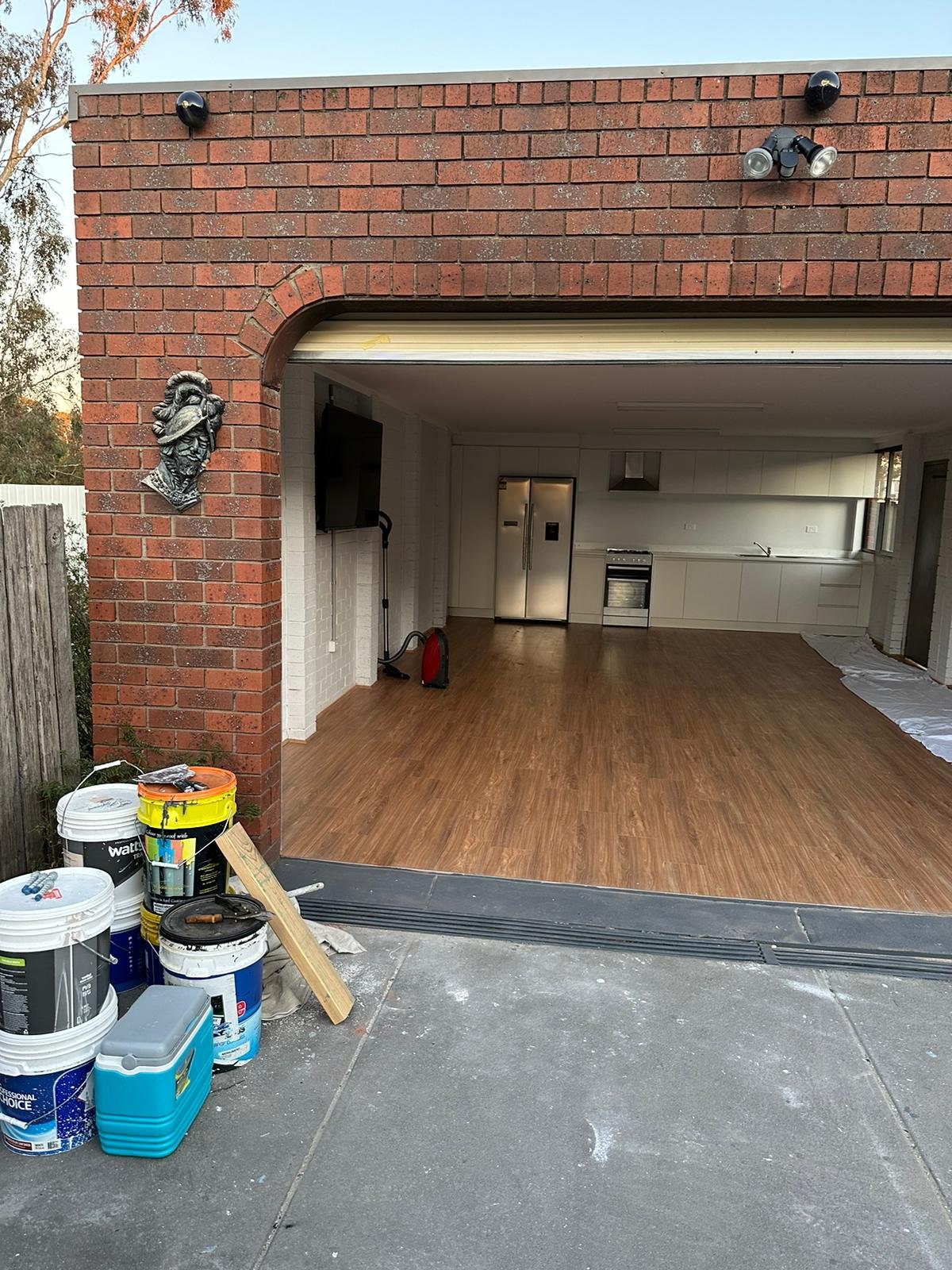
For example, a remodeled kitchen with access to an outdoor dining area can create a natural entertaining space. A renovated living room with larger doors can connect more effectively to a patio. Exterior colors and materials can also complement interior finishes without being identical.
Concrete And Interlocking features can further strengthen this connection by creating defined outdoor areas that relate naturally to the home’s architecture.
Make Exterior Improvements Part of the Bigger Plan
Exterior improvements can add meaningful value to a home renovation by improving appearance, comfort, usability, and outdoor enjoyment. The most successful projects begin with a clear understanding of the property’s needs rather than simply following the latest design trend.
Consider the entrance, walkways, driveway, landscaping, lighting, outdoor living areas, exterior finishes, windows, doors, privacy, and drainage as parts of one larger plan. Prioritize necessary repairs first, then add improvements that fit your lifestyle and budget.
When carefully planned, exterior updates can complement interior renovations and make the entire property feel more cohesive. They can also create outdoor spaces that homeowners enjoy for years rather than simply improving the appearance for a short time.
A thoughtful Full House Renovation should consider how every part of the property works together. From the front entrance to the backyard, practical choices and consistent design can create a home that feels complete both inside and outside.
For homeowners who want professional guidance when coordinating renovation goals and exterior improvements, Quick & Perfect Renovation can help bring the overall vision together with thoughtful planning and attention to the home’s individual needs.