

Blocked drains are a common plumbing problem that can quickly become inconvenient and disruptive. A slow-draining sink, standing water in the shower, unpleasant smells, or water backing up through a drain can all indicate that something is restricting the flow of wastewater. While a minor blockage may sometimes be resolved with simple household methods, more serious blockages require professional attention to prevent damage and recurring problems.
If you are dealing with a blocked drain, acting quickly can help minimise the risk of overflowing water, pipe damage, and costly repairs. Understanding what causes blocked drains and what steps to take can make it easier to handle the problem safely.
Recognise the Early Signs of a Blocked Drain
The first step is identifying the warning signs. A drain that takes longer than usual to empty is often one of the earliest indications of a developing blockage. You may also notice bubbling or gurgling sounds coming from the drain when water is running.
Other common signs include unpleasant odours, water pooling around floor drains, toilets that flush slowly, or wastewater returning into sinks, showers, or tubs. If several drains in your home are experiencing problems at the same time, the blockage could be located deeper within the main drainage system.
Ignoring these signs can allow a small obstruction to become a much larger problem. Taking action early may help prevent an emergency plumbing situation.
Stop Adding Water to the Affected Drain
When you notice that a drain is blocked, avoid continuing to use it unnecessarily. Running additional water can increase the amount of water sitting inside the pipe and may cause an overflow.
For example, if your kitchen sink is blocked, avoid washing dishes or running the dishwasher until the problem has been investigated. If a bathroom drain is affected, limit showering or using nearby fixtures until normal drainage has been restored.
Reducing water flow gives you time to assess the situation and can help prevent wastewater from spilling onto floors, walls, or other areas of your property.
Try a Plunger for Minor Blockages
A household plunger can sometimes clear a simple blockage caused by a small accumulation of debris. Make sure there is enough water around the plunger head to create a good seal over the drain opening.
Push the plunger down firmly and then pull it upward repeatedly. The pressure created by this movement may help dislodge the obstruction and restore water flow.
However, do not continue plunging aggressively if there is no improvement. A blockage located deeper in the drainage system may require specialist equipment, and excessive pressure could potentially cause problems with older or damaged plumbing.
Check the Drain for Visible Debris
Some blockages are caused by material that can be removed easily. Hair, soap residue, food particles, leaves, dirt, and other debris can accumulate around drain openings and restrict water flow.
If you can safely access the drain cover, inspect the area for visible material. Remove loose debris carefully and clean the surrounding area. For shower and bathroom drains, regularly removing hair and soap buildup can reduce the likelihood of future blockages.
Outdoor drains should also be checked for leaves, soil, branches, and other debris, particularly after heavy rain or storms.
Be Careful With Chemical Drain Cleaners
Chemical drain cleaners are widely available, but they are not always the best solution for a blocked drain. Strong chemicals may fail to remove a significant obstruction, particularly when the blockage is caused by tree roots, damaged pipes, or a substantial buildup inside the drainage system.
Repeated use of harsh chemicals may also create risks for plumbing components and people handling the product. If you decide to use any drain-cleaning product, carefully follow the manufacturer’s instructions and safety warnings.
If the blockage remains after basic methods, professional assessment is generally a safer and more reliable approach.
Look for the Source of the Problem
Finding out why the drain became blocked is just as important as clearing it. Kitchen drains commonly become blocked because of cooking grease, fats, food scraps, and other materials entering the pipe.
Bathroom drains can collect hair, soap residue, and personal-care products. Toilets may become blocked when unsuitable materials are flushed. Outside, leaves, dirt, tree roots, and storm-related debris can interfere with drainage systems.
Understanding the likely cause can help you make changes that prevent the same issue from happening again.
Know When to Call a Professional Plumber
Some drainage problems cannot be safely or effectively fixed with household methods. If plunging does not work, the blockage repeatedly returns, or multiple drains are affected, it is worth contacting a qualified plumber.
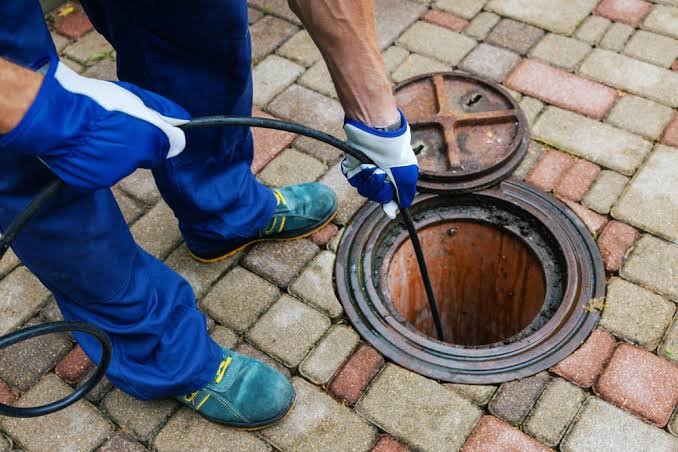
Professional plumbers can use specialised tools to locate and clear difficult obstructions. Depending on the situation, equipment such as drain snakes, high-pressure water jetting systems, or inspection cameras may be used.
A professional inspection can also identify underlying issues such as cracked pipes, tree-root intrusion, collapsed sections, or significant internal buildup. Addressing these problems early may help prevent more extensive plumbing damage.
Pay Attention to Multiple Blocked Drains
If your kitchen sink, bathroom sink, shower, and toilet begin draining slowly at around the same time, the problem may not be limited to one fixture. Multiple affected drains can indicate an obstruction within a shared or main drainage line.
This type of blockage should not be ignored. Wastewater may eventually back up into the property, creating unpleasant conditions and potentially causing water damage.
If several drains are showing symptoms, reduce water usage and arrange a professional plumbing inspection as soon as possible.
Prevent Future Drain Blockages
Prevention is one of the easiest ways to reduce plumbing problems. Avoid pouring cooking oil, fats, or grease down kitchen sinks. Use suitable drain strainers to catch food particles and other debris before they enter the pipes.
In bathrooms, clean hair from shower drains regularly and avoid flushing wipes, sanitary products, paper towels, or other unsuitable materials down the toilet.
Outdoor drains should be kept clear of leaves, branches, dirt, and other debris. Regular plumbing inspections can also be useful for properties that have experienced repeated drainage problems.
Small preventative habits can make a significant difference to the condition and performance of your drainage system.
Act Quickly When Drainage Problems Appear
A blocked drain may begin as a minor inconvenience, but delaying action can allow the problem to become increasingly serious. Early warning signs such as slow drainage, unpleasant smells, gurgling sounds, and standing water should not be ignored.
Simple measures such as removing visible debris, reducing water usage, and carefully trying a plunger may help with minor blockages. However, persistent, recurring, or widespread drainage problems should be assessed by a professional.
When you need reliable assistance with Blocked Drains Brisbane, getting professional help promptly can provide an effective solution while helping protect your property’s plumbing system. Regular maintenance and sensible drain-use habits can also reduce the likelihood of future blockages and keep wastewater flowing properly.