

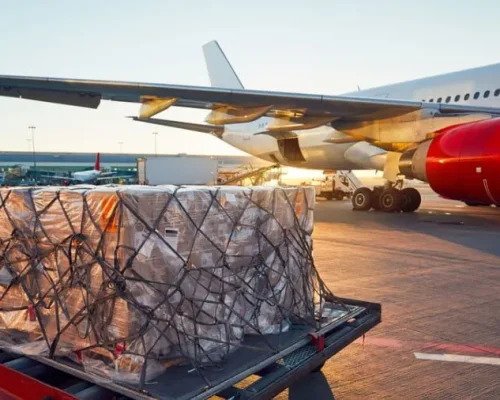

Cargo arriving at a port is only the beginning of the logistics process. Delays in documentation, customs procedures, cargo inspection, terminal coordination, or transportation arrangements can quickly increase costs and disrupt the entire supply chain.
Professional port handling and clearance services help importers, exporters, freight forwarders, traders, and businesses manage these critical stages efficiently. From coordinating cargo movement inside the port to completing required clearance procedures, experienced logistics teams help ensure shipments move from vessel arrival to final dispatch with fewer unnecessary delays.
Efficient port operations require strong coordination between shipping lines, terminal operators, customs authorities, transport providers, freight forwarders, and cargo owners. Professional support brings these activities together under a structured process.
Comprehensive Port Handling Services
Port handling involves much more than simply moving cargo from one location to another. Shipments must be received, inspected, documented, stored, loaded, unloaded, and transferred according to their specific requirements.
Professional port handling services can coordinate cargo receiving, container handling, loading and unloading, storage arrangements, terminal procedures, and transportation connections.
Proper coordination helps reduce unnecessary waiting time and keeps cargo movement organized throughout the port operation.
Import Cargo Handling
Import shipments often require several steps before they can leave the port. Once a vessel arrives, cargo must be processed through terminal procedures and relevant clearance requirements.
Professional teams can coordinate documentation, cargo inspection, customs procedures, terminal communication, and transportation arrangements.
Efficient import handling helps businesses receive their goods without unnecessary operational delays.
Export Cargo Handling
Export cargo also requires careful preparation and coordination before shipment.
Cargo must reach the appropriate terminal within the required schedule and be supported by accurate shipping and customs documentation.
Port handling specialists can coordinate cargo delivery, container arrangements, terminal procedures, documentation, and shipment schedules to support smooth export operations.
Customs Clearance at Ports
Customs clearance is one of the most important stages of international cargo movement. Incorrect documents, classification issues, missing information, or procedural delays can prevent cargo from being released on time.
Professional clearance teams assist with the preparation and submission of required documentation and coordinate with relevant authorities.
Their experience helps businesses manage clearance procedures more efficiently while reducing the risk of avoidable delays.
Customs Documentation
Accurate documentation is essential for successful port clearance.
Depending on the shipment, documentation may include commercial invoices, packing lists, bills of lading, certificates of origin, permits, cargo declarations, and other supporting documents.
Professional port handling and clearance providers can review documentation and coordinate the required paperwork before and during the clearance process.
Proper document management helps prevent issues caused by incomplete or inconsistent information.
Cargo Inspection and Examination
Some shipments may be selected for customs inspection or physical examination. These procedures can affect cargo release times if they are not properly coordinated.
Experienced port service providers can assist with inspection arrangements, cargo positioning, documentation, and communication with relevant parties.
Efficient coordination helps minimize unnecessary handling and keeps the clearance process organized.
Container Handling and Management
Containers require careful handling from vessel discharge through terminal operations and final transportation.
Professional teams can coordinate container movements, terminal procedures, loading and unloading requirements, and transportation scheduling.
Proper container management can also help reduce unnecessary storage costs and avoid operational complications.
Port Storage and Warehousing
Some cargo may need temporary storage before customs clearance or final delivery.
Depending on the shipment and port requirements, logistics providers can coordinate suitable storage and warehousing arrangements.
Organized cargo storage helps protect goods while providing businesses with additional flexibility when transportation or clearance schedules change.
Heavy and Oversized Cargo Handling
Heavy machinery, industrial equipment, project cargo, and oversized shipments require specialized handling procedures.
Such cargo may need appropriate lifting equipment, special transportation arrangements, route planning, and additional coordination with terminal operators.
Professional port handling providers can organize these requirements according to the cargo’s size, weight, handling characteristics, and delivery destination.
Project Cargo Port Handling
Large industrial and infrastructure projects often involve complex cargo that cannot be handled like standard containers.
Project cargo may include machinery, structural components, industrial equipment, and other specialized materials.
Professional port handling teams can coordinate vessel discharge, lifting operations, temporary storage, customs clearance, inland transportation, and final delivery.
This integrated approach reduces coordination gaps between different logistics stages.
Port-to-Door Cargo Movement
Port clearance is only one part of the supply chain. After cargo is released, it must usually be transported to a warehouse, factory, construction site, or other destination.
Professional logistics providers can coordinate inland transportation immediately after clearance.
Combining port handling, customs clearance, and transportation under one coordinated service can improve shipment visibility and reduce communication delays.
Documentation and Compliance
International cargo movement requires compliance with applicable customs, shipping, and trade procedures.
Errors in documentation or failure to meet specific requirements can result in delays, additional costs, or other complications.
Experienced clearance providers understand the importance of accurate documentation and timely submissions.
They can help businesses organize their shipment paperwork and coordinate the necessary procedures more efficiently.
Shipment Tracking and Status Updates
Visibility is important when cargo is moving through a busy port environment.
Businesses need to know whether their shipment has arrived, been discharged, cleared, inspected, released, or dispatched for delivery.
Professional logistics teams can provide shipment updates and coordinate information between cargo owners, shipping lines, customs representatives, transporters, and terminal operators.
Better visibility allows businesses to plan their inventory and operations more effectively.
Reducing Port Delays
Port delays can occur for many reasons, including documentation errors, customs inspections, terminal congestion, missing approvals, transportation issues, and poor coordination.
Professional port handling and clearance services focus on reducing avoidable delays through early preparation and continuous communication.
Ensuring that documentation and operational requirements are addressed in advance can make the overall cargo release process more efficient.
Cost Control and Demurrage Management
Extended container or cargo stays at ports can create additional storage, detention, or demurrage-related expenses.
Efficient clearance and timely transportation help reduce unnecessary cargo dwell time.
Professional logistics providers can coordinate clearance and delivery schedules more effectively, helping businesses maintain better control over port-related costs.
Handling Different Types of Cargo
Different cargo types require different handling approaches. General cargo, containerized shipments, machinery, vehicles, project cargo, and sensitive goods may all have specific requirements.
A capable port handling provider should understand these differences and develop procedures based on the shipment’s characteristics.
Customized handling helps protect cargo and ensures that appropriate resources are available throughout the process.
Safety and Cargo Protection
Safety is an important consideration during port handling operations. Cargo may be exposed to cranes, forklifts, heavy equipment, transport vehicles, and multiple handling stages.
Proper procedures help reduce the risk of cargo damage and operational incidents.
Professional teams coordinate handling activities carefully and ensure that cargo is managed according to its specific requirements.
Benefits of Professional Port Handling and Clearance
Working with an experienced provider can offer several important advantages:
- Faster cargo processing
- Better customs coordination
- Accurate documentation management
- Reduced clearance delays
- Improved shipment visibility
- Efficient container handling
- Better control of port-related costs
- Professional cargo inspection coordination
- Support for heavy and project cargo
- Smooth connection between port and inland transportation
These benefits allow businesses to focus on their core operations while experienced professionals manage complex port procedures.
Choosing the Right Port Handling and Clearance Partner
The right service provider should have strong knowledge of port procedures, customs requirements, cargo handling, documentation, transportation, and logistics coordination.
Businesses should evaluate the provider’s experience with similar cargo, operational capabilities, response times, communication standards, and ability to manage both routine and specialized shipments.
A reliable partner should also provide clear updates throughout the process and maintain proper coordination between all parties involved in the shipment.
Conclusion
Efficient port handling and clearance is essential for keeping international cargo movement organized, compliant, and cost-effective. Delays at the port can affect transportation schedules, inventory planning, project timelines, and overall business operations.
Professional support helps manage cargo handling, customs clearance, documentation, inspections, container movement, storage, and inland transportation through a coordinated process.
By choosing an experienced port handling and clearance partner, businesses can reduce avoidable delays, improve shipment visibility, control logistics costs, and move cargo more efficiently from the port to its final destination.