


A building can lose its value and operational efficiency when small maintenance issues are ignored. A leaking pipe can damage finishes, an electrical fault can interrupt operations, and poor HVAC performance can affect comfort across an entire property. Professional building maintenance helps property owners identify problems early, protect essential systems, and keep buildings safe, functional, and presentable.
Comprehensive Building Maintenance Services
Building maintenance covers the regular inspection, servicing, repair, and upkeep of a property’s physical and technical systems. Services can include HVAC maintenance, electrical work, plumbing, civil repairs, painting, carpentry, waterproofing, and general building repairs.
A coordinated maintenance program allows different requirements to be managed systematically instead of relying only on emergency repairs.
Preventive Building Maintenance
Preventive maintenance focuses on identifying potential problems before they become major failures. Regular inspections and scheduled servicing can help identify worn components, leaks, electrical issues, cooling problems, and other early signs of deterioration.
Planned maintenance can reduce unexpected breakdowns and help extend the useful life of building systems and equipment.
HVAC and Air Conditioning Maintenance
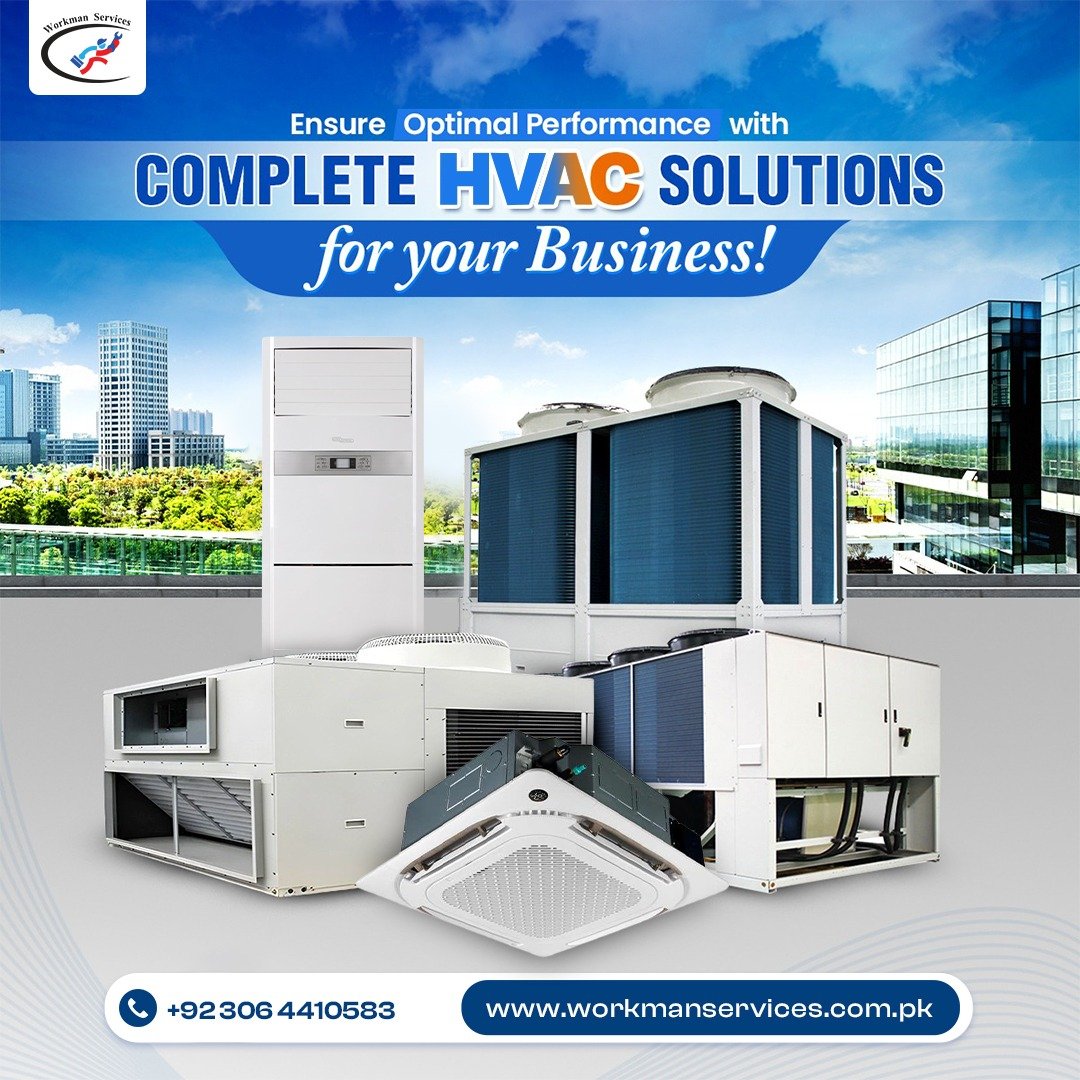
Heating, ventilation, and air conditioning systems play an important role in maintaining indoor comfort and air quality. Regular HVAC maintenance can include filter replacement, system inspection, cleaning, troubleshooting, and servicing of relevant mechanical and electrical components.
Consistent maintenance can also help systems operate more efficiently and reduce the likelihood of unexpected cooling failures.
Electrical Maintenance and Repairs
Electrical systems require regular inspection to support safe and reliable building operations. Maintenance may include lighting repairs, switch and socket replacement, electrical panel inspections, wiring repairs, and troubleshooting of electrical faults.
For commercial and larger properties, scheduled electrical inspections can help identify issues before they cause operational interruptions.
Plumbing and Drainage Maintenance
Plumbing problems can quickly become expensive when leaks or drainage issues remain unresolved. Professional building maintenance can cover water supply lines, drainage systems, fixtures, pumps, tanks, and other plumbing components.
Routine inspections can help detect leaks, blockages, damaged fittings, and other problems before they cause extensive water damage.
Civil and General Building Repairs
Buildings naturally experience wear and deterioration through regular use. Civil maintenance can include repairing damaged walls, ceilings, tiles, doors, floors, masonry, and other structural or architectural elements.
General repair services help maintain the physical condition of the property while keeping common and occupied areas presentable.
Painting and Finishing Works
Paint and surface finishes can deteriorate due to moisture, heavy traffic, weather exposure, and everyday use. Maintenance teams can carry out interior and exterior painting, wall repairs, surface preparation, and other finishing works.
Regular attention to visible surfaces can improve the appearance of a property and contribute to a better environment for occupants and visitors.
Waterproofing and Moisture Protection
Water infiltration can cause stains, mold growth, damaged finishes, and deterioration of building materials. Waterproofing maintenance may be required for roofs, bathrooms, balconies, basements, terraces, and other areas exposed to moisture.
Identifying the source of water penetration early can help prevent more extensive repair requirements later.
Emergency Maintenance Services
Not every maintenance problem can be predicted. Sudden plumbing leaks, electrical failures, HVAC breakdowns, or other faults may require immediate attention.
Emergency maintenance services provide rapid response when unexpected problems affect building operations. Quick intervention can help limit damage, reduce downtime, and restore essential systems.
Annual Maintenance Contracts
An annual maintenance contract can provide a structured approach to ongoing property care. Instead of arranging individual services whenever something fails, property owners can establish scheduled inspections and maintenance activities throughout the year.
This approach can make maintenance more predictable and help ensure important building systems receive regular attention.
Maintenance for Different Property Types
Building maintenance can be adapted to different property types, including commercial offices, residential buildings, retail properties, warehouses, hotels, educational facilities, healthcare buildings, and industrial premises.
Each property has different operating conditions and maintenance priorities, so the service plan should be developed according to the building’s systems, occupancy, usage, and operational requirements.
Choosing the Right Building Maintenance Provider
When selecting a maintenance provider, property owners should consider technical expertise, response time, maintenance capabilities, workforce experience, safety practices, and ability to handle multiple building systems.
A reliable provider should also offer clear maintenance schedules, transparent communication, proper reporting, and practical recommendations for recurring issues.
Conclusion
Building maintenance is an essential part of protecting property performance, occupant comfort, safety, and long-term value. From preventive inspections and HVAC servicing to electrical repairs, plumbing, civil work, waterproofing, painting, and emergency support, a comprehensive maintenance program keeps different parts of a building working together effectively.
By taking a proactive approach instead of waiting for major failures, property owners and facility managers can reduce unexpected disruptions, protect their investment, and maintain a safer and more efficient building over the long term.