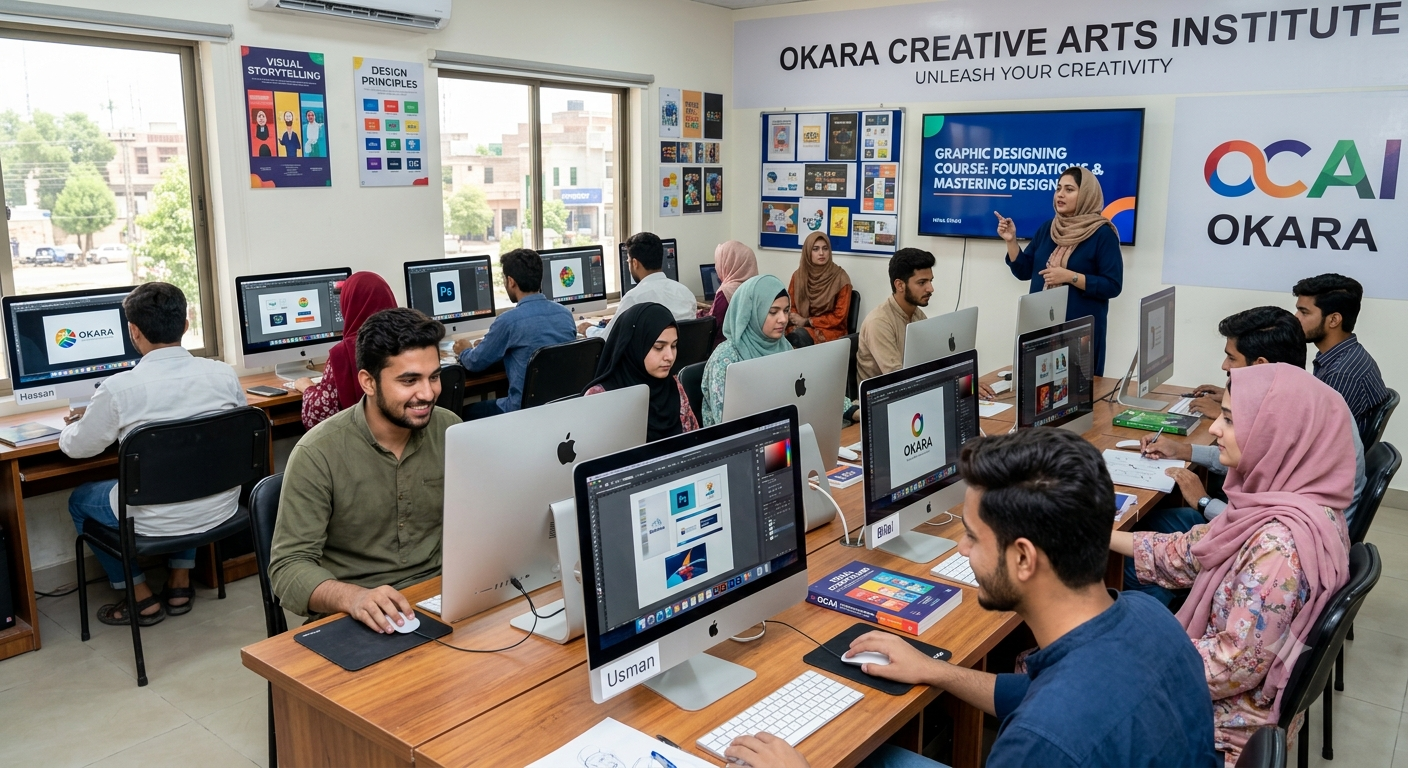



A Bachelor of Computer Applications can provide students with a foundation in programming, software applications, databases, and information technology. However, the technology industry changes quickly, which means students should continue developing practical skills throughout their undergraduate education.
The degree provides the academic foundation, while projects, internships, certifications, and hands-on practice can help students understand how technology works in real-world environments.
Learn at Least One Programming Language Well
Students do not necessarily need to learn every programming language available. Instead, they can start with one language and understand its fundamentals properly.
Depending on the course and career goal, students may explore languages such as:
- Python
- Java
- JavaScript
- C++
- PHP
Understanding variables, functions, object-oriented programming, data structures, and debugging is more important initially than simply collecting programming languages.
Explore Web Development
Web development is another useful area for BCA students.
Students can begin with HTML and CSS before progressing to JavaScript and modern frameworks. Building a personal website, portfolio, or simple web application can provide practical experience.
Small projects can also help students understand how front-end interfaces communicate with back-end systems.
Understand Databases
Almost every significant software application interacts with data.
Students should therefore become familiar with database concepts and technologies such as SQL. Learning how to create tables, write queries, manage relationships, and retrieve information can be useful for many technology roles.
Build Real Projects
Projects can transform theoretical learning into practical experience.
A student might create:
- Student management software
- Online booking systems
- E-commerce prototypes
- Portfolio websites
- Expense management applications
- College information portals
Projects do not need to be extremely complex. What matters is understanding how they work and being able to explain the development process.
Consider the Cost of the Degree
Before selecting a BCA college, students should calculate the complete cost of education rather than looking only at tuition.
Accommodation, examination charges, transportation, food, and other expenses can influence the total budget.
Students researching private university options can review the upes bca fee to explore available information about the BCA program and its fee structure.
Internships Can Provide Valuable Exposure
Internships allow students to experience professional workflows before graduation.
During an internship, students may work with development teams, marketing technology platforms, databases, testing processes, or customer support systems.
Even a short internship can help students understand workplace communication, deadlines, documentation, and project management.
Career Paths After BCA
After graduation, students can explore roles such as:
- Software Developer
- Front-End Developer
- Back-End Developer
- Web Developer
- QA Tester
- Technical Support Specialist
- Database Executive
- Junior Data Analyst
The availability of specific roles depends on skills, experience, location, employer requirements, and the candidate’s overall profile.
Final Thoughts
A BCA degree can provide a strong starting point for students interested in technology, but continuous learning remains important. Students who combine their academic studies with projects, internships, programming practice, and industry-relevant skills can create a stronger professional portfolio by graduation.