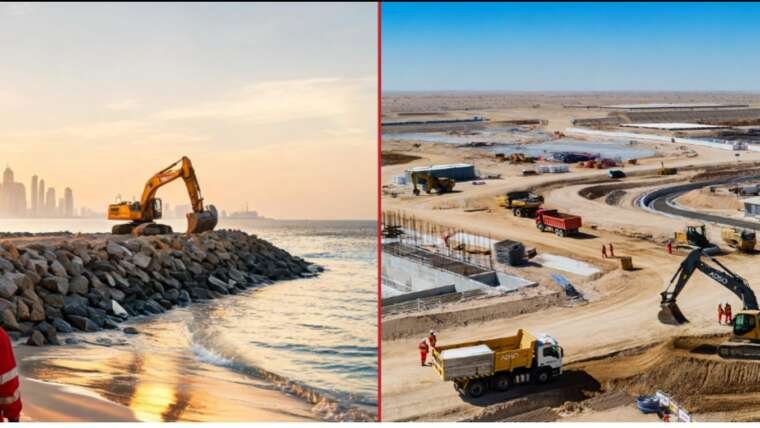

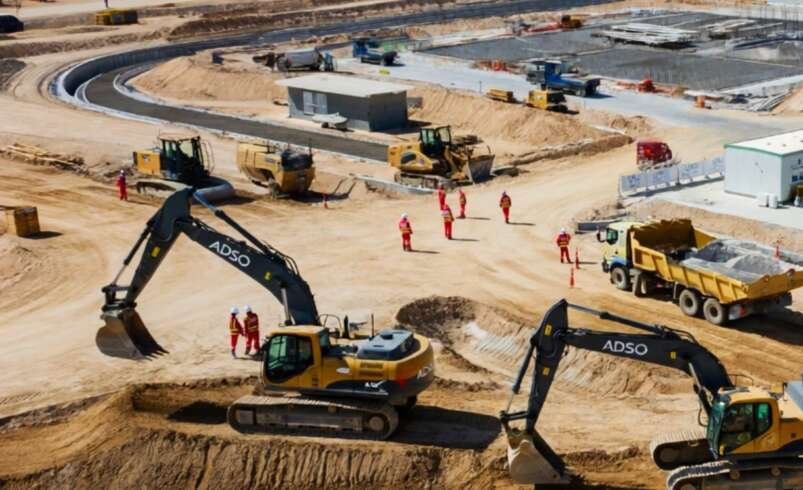

Marine infrastructure projects often depend on properly prepared seabeds, navigation channels, and land areas. Insufficient water depth, sediment accumulation, or limited coastal land can create major challenges for ports, terminals, waterfront developments, and offshore projects. Professional dredging and reclamation services provide practical solutions by removing underwater material and creating or improving land areas required for development.
Comprehensive Dredging and Reclamation Services
Dredging and reclamation projects require specialized marine equipment, experienced crews, detailed planning, and careful material management. Services can include capital dredging, maintenance dredging, channel development, seabed preparation, reclamation, material transportation, and placement.
An integrated approach allows dredging and reclamation activities to be coordinated with wider marine construction requirements.
Capital Dredging
Capital dredging is commonly undertaken to create new navigation channels, port basins, berthing areas, and foundations for marine infrastructure. Material is removed to achieve the required depth and profile for the planned development.
Professional dredging contractors use suitable equipment and controlled excavation methods according to seabed conditions and project requirements.
Maintenance Dredging
Sediment can naturally accumulate in navigation channels, harbors, basins, and other waterways. Maintenance dredging helps restore required depths and maintain access for vessels.
Regular dredging programs can support the continued operation of ports and marine facilities while managing sediment accumulation.
Navigation Channel Dredging
Navigation channels require suitable depth, width, and alignment for safe vessel movement. Dredging contractors can remove sediment and seabed materials to develop or maintain these channels.
Accurate surveying and controlled dredging are important for achieving the required channel dimensions while minimizing unnecessary excavation.
Port Basin and Berthing Area Dredging
Ports and terminals require sufficient water depth around berths and maneuvering areas. Dredging can prepare these locations for vessel access and support the development of new marine facilities.
The work may involve excavation, sediment handling, transportation, and controlled placement of dredged material.
Reclamation and Land Development
Reclamation uses suitable dredged or imported material to create or expand land areas. This can support ports, industrial developments, waterfront projects, infrastructure, and other large-scale developments.
Reclamation requires careful material selection, placement, compaction, and ground preparation to create stable areas suitable for future construction.
Dredging for Infrastructure Projects
Dredging may be required before the construction of jetties, quay walls, pipelines, subsea cables, bridges, offshore structures, and other marine infrastructure.
Preparing the seabed to the required depth and profile provides a suitable foundation for subsequent construction activities.
Dredging Equipment and Marine Resources
Different dredging environments require different types of equipment. Depending on the project, contractors may use cutter suction dredgers, trailing suction hopper dredgers, backhoe dredgers, barges, excavators, marine cranes, and support vessels.
Selecting appropriate equipment helps improve productivity while adapting operations to site conditions and project requirements.
Dredged Material Management
Effective management of dredged material is an important part of the project. Material may need to be transported, processed, reused for reclamation, or placed at an approved disposal location.
Proper planning helps ensure that material handling operations remain organized and aligned with environmental and project requirements.
Environmental Management
Dredging and reclamation activities can interact with marine ecosystems and surrounding coastal areas. Environmental management measures can help control turbidity, sediment dispersion, noise, and other potential impacts.
Monitoring and appropriate operational controls support responsible execution throughout the project.
Marine Surveys and Quality Control
Accurate surveys are essential before, during, and after dredging and reclamation works. Hydrographic surveys help establish existing seabed conditions, monitor progress, and verify final levels.
Quality control procedures can also confirm that excavation depths, reclamation levels, and completed areas meet project specifications.
Dredging and Reclamation for Different Industries
These services can support ports, shipping terminals, offshore energy projects, industrial developments, coastal infrastructure, waterfront developments, and large-scale land development projects.
The scope and methodology can be adapted according to water depth, seabed conditions, material characteristics, environmental requirements, and final project objectives.
Choosing the Right Dredging and Reclamation Contractor
When selecting a contractor for dredging and reclamation, project owners should consider marine construction experience, dredging equipment, technical expertise, surveying capabilities, material management, safety procedures, and environmental practices.
A capable contractor should be able to coordinate marine operations efficiently while maintaining the required quality, safety, and project standards.
Conclusion
Professional dredging and reclamation services play an important role in developing and maintaining marine infrastructure. From navigation channels and port basins to land reclamation and seabed preparation, these activities require specialized equipment, experienced teams, accurate surveying, and effective material management. Choosing a reliable contractor helps ensure that marine areas are prepared efficiently for safe, durable, and successful development.