

Buying sneakers in bulk can reduce the average cost per pair, but there is no single wholesale price that applies to every order. Bulk sneaker pricing depends on factors such as brand, condition, quantity, style, supplier, and whether the inventory is new, overstock, or liquidation stock.
For resellers, understanding these factors is important before calculating potential margins.
What Determines the Cost of Bulk Sneakers?
The first factor is the type of inventory. New wholesale sneakers generally have more predictable pricing because the products are unused and may come directly from manufacturers, distributors, or established wholesalers.
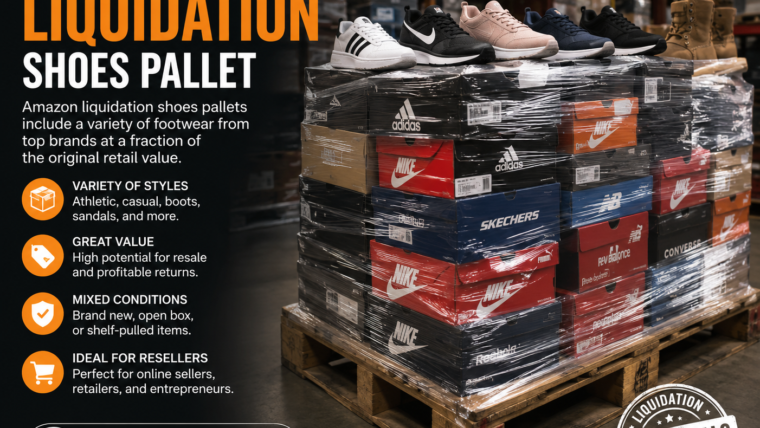
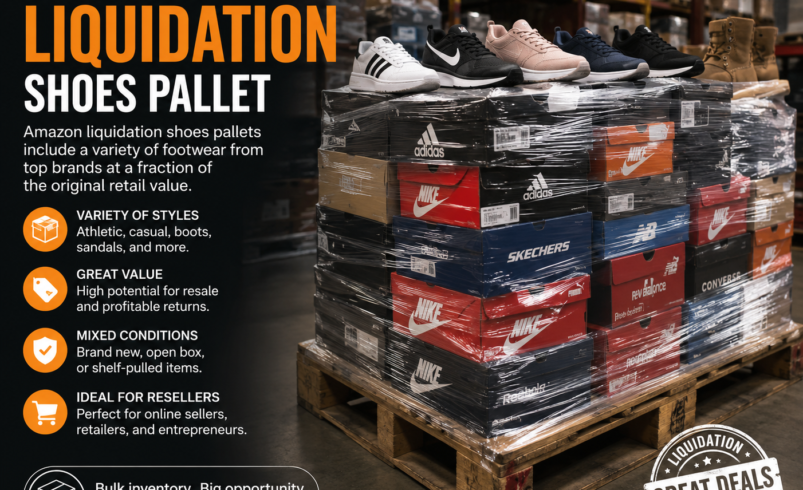
Liquidation sneakers can have lower acquisition costs, but the inventory may include customer returns, excess stock, discontinued styles, or open-box products. The lower price can come with greater uncertainty about sizes, styles, and condition.
Brand also has a major influence on pricing. Recognized athletic and lifestyle brands can command higher wholesale prices than lesser-known labels. However, brand name alone does not guarantee strong resale demand.
Quantity Can Affect the Price
Many suppliers offer different pricing levels depending on order size. A small bulk order may have a higher cost per pair, while larger orders can sometimes reduce the average unit cost.
However, buying more does not automatically make an order more profitable. A large quantity of slow-moving sizes or unpopular styles can tie up capital and increase storage costs.
Don’t Forget Shipping and Other Costs
The advertised price per pair is only part of the calculation. Resellers should consider:
- Shipping or freight charges
- Import duties and taxes where applicable
- Handling or processing fees
- Storage expenses
- Cleaning or preparation costs
- Packaging
- Marketplace or payment fees
For international buyers, these additional expenses can significantly change the final cost per pair.
How to Calculate Your Real Cost Per Pair
A simple calculation can help:
Total landed cost ÷ number of usable pairs = average cost per pair
For example, if a shipment costs $4,000 after purchasing and delivery expenses and contains 200 usable pairs, the average landed cost would be $20 per pair.
This figure gives you a better starting point for evaluating potential resale prices.
Compare Value, Not Just Price
The cheapest pallet is not necessarily the most suitable inventory. A slightly more expensive shipment with desirable styles, useful size ranges, and better condition may provide more practical resale value.
Before ordering, review the manifest if one is available, ask about product condition, check the supplier’s policies, and research demand for the types of sneakers included.
Final Thoughts
Understanding the numbers before placing an order can make bulk sneaker sourcing easier to evaluate and manage.