

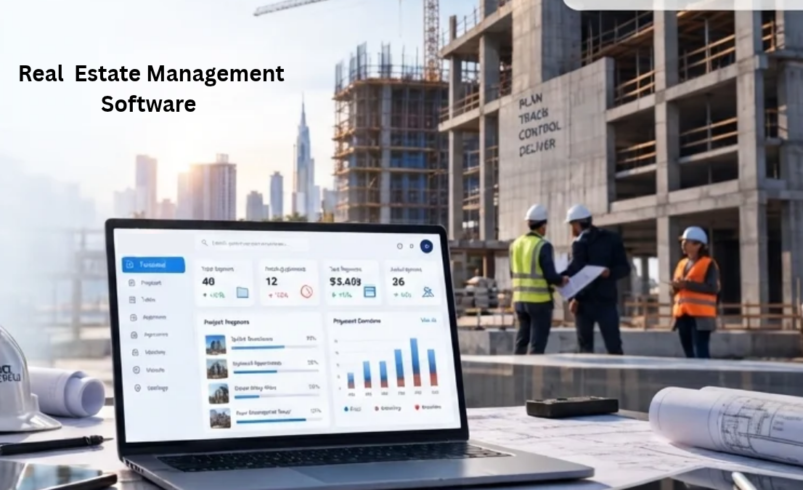

The UAE real estate market attracts property buyers, tenants, landlords, and investors with different requirements. From residential apartments in Dubai to commercial properties in Abu Dhabi, real estate businesses handle enquiries through property portals, websites, social media, telephone calls, and referrals. Managing these enquiries effectively is essential for building customer relationships and improving sales performance.
However, when enquiry details are spread across spreadsheets, emails, messaging applications, and separate systems, sales teams can struggle to track conversations and follow up at the right time. Important prospects may be overlooked, property information may become outdated, and managers may find it difficult to understand which marketing activities generate qualified leads.
Digital systems can help address these challenges by bringing customer information, property details, communication history, and sales activities together. For businesses evaluating the best real estate management software in UAE, lead management is an important capability to consider alongside property administration and financial management.
Understanding Lead Management in the UAE Real Estate Market
Lead management is the process of capturing, organising, qualifying, assigning, and following up with potential customers. In real estate, it covers the customer journey from the first property enquiry to a viewing, negotiation, reservation, or completed transaction.
A prospective tenant searching for an apartment in Dubai may have different priorities from an investor looking for multiple commercial units. Sales teams need a structured method for recording these requirements and recommending suitable properties.
An organised lead management process helps businesses:
- Record enquiries from different marketing channels.
- Identify customer preferences and property requirements.
- Assign enquiries to the appropriate sales representatives.
- Schedule property viewings and follow-up activities.
- Track negotiations and potential transactions.
- Review conversion rates and sales performance.
These processes become especially valuable when an agency manages a large property portfolio or operates across multiple locations.
Why Property Enquiries Can Be Difficult to Manage
Real estate enquiries often arrive at different times and through different channels. Without a centralised process, sales representatives may maintain separate customer lists, making it difficult to establish a consistent view of each prospect.
Enquiries from multiple channels
Customers may contact an agency through property listing portals, website forms, social media campaigns, email, or telephone calls. Recording these enquiries manually increases the risk of duplicate records and incomplete customer information.
A centralised system can bring enquiry details into one place, depending on the integrations available. This gives sales teams a clearer view of incoming opportunities and helps reduce manual data entry.
Delayed follow-ups
Customers frequently compare several properties before making a decision. If a sales representative forgets to return a call or send requested information, the customer may approach another agency.
Automated reminders, task assignments, and follow-up schedules help representatives manage their workload. These tools support consistent communication without replacing the personal attention required in property sales.
Incomplete customer profiles
A name and telephone number may not provide enough information to recommend a suitable property. Sales teams may also need to understand the preferred location, budget, property type, intended use, and expected decision timeline.
Recording these details in a structured customer profile helps representatives provide more relevant recommendations and avoid repeatedly asking the same questions.
How Real Estate CRM Software Supports Sales Teams
Real estate CRM software in UAE helps agencies organise customer relationships and manage sales opportunities through a structured workflow. Instead of treating every enquiry as an isolated interaction, a CRM maintains the history of communication and the progress of each prospect.
Centralised customer information
A customer record can include contact details, preferred property types, enquiry sources, viewing history, previous conversations, and follow-up requirements.
When authorised team members can access the same information, handovers between representatives become easier. Managers can also review customer activity without requesting updates from several employees.
Lead qualification and prioritisation
Not every enquiry represents the same level of purchasing or rental intent. Some customers are researching the market, while others are ready to arrange a viewing or discuss commercial terms.
Lead qualification allows teams to categorise prospects based on relevant factors, such as budget alignment, property requirements, readiness, and engagement. Clear qualification criteria help sales representatives prioritise their time more consistently.
These criteria should be practical and transparent. Businesses should avoid making decisions based on inappropriate assumptions about customers.
Sales pipeline visibility
A sales pipeline displays the stages through which an enquiry progresses. A typical property sales pipeline may include new enquiry, initial contact, qualified lead, viewing scheduled, negotiation, and closed or inactive.
The exact stages depend on the business model. Rental agencies, property developers, commercial brokers, and property management companies may require different workflows.
Pipeline visibility helps managers identify where opportunities are progressing and where additional action may be necessary.
Connecting Property Listings with Customer Requirements
An enquiry management system becomes more useful when customer information is connected with accurate property details. Sales representatives need current information about availability, location, pricing, specifications, and property status before recommending a unit.
Real Estate Property Management Software in Dubai can support property-related workflows, while CRM capabilities help connect those property records with prospective buyers and tenants. The extent of integration depends on the software platform and its configuration.
For example, if a customer requests a two-bedroom apartment within a particular budget, a representative can use recorded preferences to shortlist suitable properties. The team should still verify current availability and commercial terms before making an offer.
Maintaining accurate listing information is important because outdated prices, incorrect specifications, or unavailable units can create confusion and weaken customer confidence.
Agencies should establish a process for reviewing listing information and updating records when property status changes.
Improving Property Viewings and Follow-Up Activities
Property viewings are an important stage in the customer journey. Scheduling them involves coordinating customers, sales representatives, property owners, and access arrangements.
A structured workflow can record viewing dates, confirmation status, customer feedback, and the next action required.
After a viewing, the representative might need to send additional photographs, clarify service charges, provide lease details, arrange another visit, or discuss the next stage of negotiation. Recording these actions helps ensure that the conversation continues with the necessary context.
For businesses handling many viewings each week, calendar integration and task reminders can reduce scheduling conflicts. Managers can also examine viewing outcomes to understand whether the properties being recommended match customer expectations.
Technology supports the process, but successful follow-up still depends on accurate communication and a clear understanding of customer needs.
Managing Transactions and Property Documentation
As a prospect moves closer to a decision, the process may involve offers, reservations, agreements, identity documents, approvals, payment records, and other transaction-related information.
Real Estate Transaction Management Software can help organise transaction stages, document status, assigned responsibilities, and pending actions. Depending on the platform, it may also support approval workflows and reminders for important milestones.
A structured transaction process can help teams answer practical questions:
- Which documents are still pending?
- Who is responsible for the next action?
- Has the relevant approval been recorded?
- Which transaction milestones have been completed?
- What needs to happen before the next stage?
Businesses should ensure that access permissions, document retention, and data protection procedures are appropriate for the information being handled. Software should support internal controls rather than replace professional, legal, or regulatory review where required.
Measuring Marketing and Sales Performance
Real estate businesses often invest in property portals, paid advertising, social media, referral programmes, and other lead-generation activities. Counting enquiries alone does not show which channels contribute to completed transactions.
A reporting system can help management compare lead sources against subsequent outcomes. Useful measures may include:
- Number of enquiries received by channel.
- Percentage of enquiries meeting qualification criteria.
- Time taken to make initial contact.
- Number of viewings arranged.
- Viewing-to-negotiation conversion rate.
- Enquiry-to-transaction conversion rate.
- Average time taken to progress through sales stages.
These indicators should be interpreted in context. For example, one marketing channel may generate fewer enquiries but attract customers with stronger purchasing intent. Another may generate a high volume of enquiries that require more qualification.
Consistent data entry is essential for meaningful reporting. If employees use different definitions for qualified leads or completed transactions, comparisons may be misleading.
When an Integrated ERP System Becomes Useful
A CRM is primarily concerned with customer relationships and sales opportunities. As a real estate business expands, management may also need to coordinate finance, procurement, human resources, contracts, property operations, and reporting.
Best Real Estate ERP Software in the UAE may provide a broader framework for connecting these business functions, depending on the features included in the solution.
For instance, a sales team may need to confirm transaction information with finance, while property operations may need updated customer or unit records. Integrating these workflows can reduce repeated data entry and improve consistency across departments.
An integrated system may be worth evaluating when a company experiences several of the following challenges:
- Customer records are separated from property and financial information.
- Employees repeatedly enter the same details into different applications.
- Management reports require extensive manual consolidation.
- Sales handovers create delays between departments.
- The business needs consistent processes across several offices or portfolios.
Not every agency needs a comprehensive ERP platform. A smaller business with straightforward requirements may benefit from a focused CRM or property management application. The appropriate choice depends on operational complexity, budget, existing software, and future plans.
What to Evaluate When Choosing Real Estate Management Software in UAE
Selecting a platform requires more than comparing feature lists. Businesses should assess whether the system fits their actual workflows and supports the requirements of the UAE market.
1. Property and customer management: Check whether the platform can maintain property records, customer profiles, enquiry histories, and sales opportunities in a connected workflow.
2. Lead assignment and reminders: Review how enquiries are assigned, how follow-ups are scheduled, and whether managers can monitor overdue activities.
3. Reporting and dashboards: Confirm that the available reports measure the indicators relevant to the business and can be accessed by authorised users.
4. Integration options: Examine compatibility with existing accounting tools, websites, property portals, communication platforms, and other business applications.
5. Access controls and data protection: Ask about user permissions, authentication, backup practices, audit trails, and the provider’s approach to handling customer information.
6. UAE business requirements: Determine whether the platform can accommodate the company’s operating locations, currencies, reporting needs, and relevant local workflows. Verify any claimed regulatory or integration support directly with the provider.
7. Implementation and support: Understand the onboarding process, data migration requirements, employee training, support arrangements, and ongoing costs.
Before making a decision, test the system using realistic examples from the company’s daily operations. A demonstration based on actual enquiry and transaction workflows can reveal limitations that a general presentation may not show.
Preparing Teams for Successful Implementation
Even a capable software platform will not deliver consistent results if employees do not use it properly. Implementation should therefore include clear responsibilities, standardised processes, and practical training.
Start by documenting how enquiries currently enter the business, who qualifies them, how viewings are arranged, and how transactions progress. Identify unnecessary manual steps and decide which processes should be standardised before configuring the software.
Next, establish common rules for entering customer details, updating property availability, recording interactions, and closing inactive leads. Assign responsibility for maintaining data quality and reviewing reports.
A phased rollout can help employees adapt to the new workflow. The business might begin with enquiry capture and follow-up reminders before introducing more advanced reporting or integrations.
Management should review adoption after implementation. If employees continue to maintain separate spreadsheets, investigate whether the cause is inadequate training, missing functionality, or an unnecessarily complicated workflow.
Conclusion
Effective lead management helps UAE real estate businesses organise enquiries, improve follow-up consistency, maintain accurate customer records, and understand their sales pipeline. Connecting customer information with property records and transaction workflows can also make coordination easier as the business grows.
The best real estate management software in UAE is not necessarily the platform with the longest feature list. It is the solution that fits the company’s operating model, supports reliable reporting, protects customer information, and helps employees complete everyday tasks with less manual effort.
By assessing CRM capabilities, property management functions, transaction workflows, integration options, and implementation support, businesses can make a more informed software decision. A structured approach to lead management can then provide a stronger foundation for customer service and sustainable business performance.