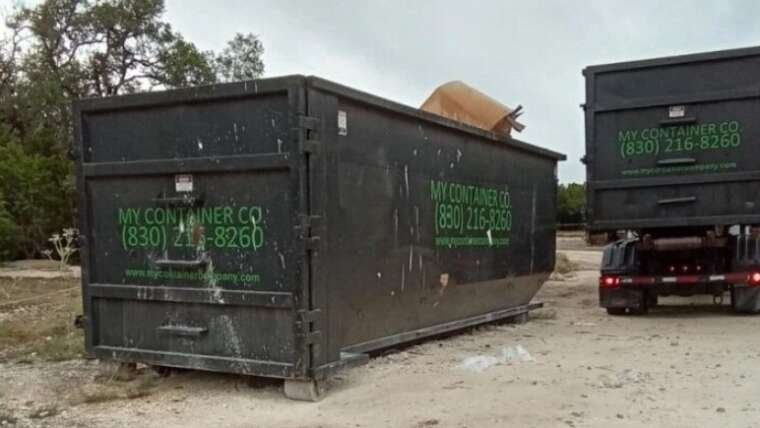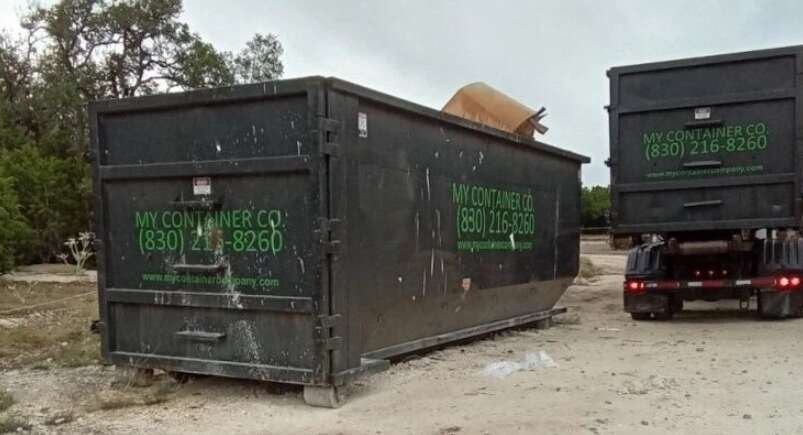

A 40 yard dumpster for rent is a practical solution for large construction projects, commercial renovations, demolition work, and extensive property cleanouts. Its high-volume capacity allows contractors, property managers, and homeowners to manage substantial amounts of waste without arranging frequent container replacements.
Choosing the right dumpster requires more than comparing rental prices. Dimensions, weight limits, accepted materials, delivery access, and rental duration all affect the total cost and suitability of a container.
This guide explains how 40 yard dumpster rentals work, what they typically cost, which projects benefit most, and how to select a suitable rental option.
What Is a 40 Yard Dumpster?
A 40 yard dumpster is a large roll-off waste container with a capacity of approximately 40 cubic yards. It is commonly used for construction debris, commercial waste, large renovation projects, and bulky materials generated during property improvements.
These containers are delivered by specialized trucks and placed at a designated location for temporary use. Once the container is full or the rental period ends, the provider collects it and transports the waste for appropriate disposal or processing.
Typical 40 Yard Dumpster Dimensions
Although dimensions vary by provider and container design, a standard 40 yard dumpster often has the following approximate measurements:
|
Feature |
Typical specification |
|---|---|
| Capacity | 40 cubic yards |
| Length | 20–22 feet |
| Width | 8 feet |
| Height | 7–8 feet |
| Common use | Construction, demolition, and commercial cleanup |
| Delivery method | Roll-off truck |
These measurements are estimates rather than universal specifications. A rental provider should confirm the exact container dimensions before delivery.
The container’s physical size and the weight of its contents are separate considerations. A dumpster may have plenty of remaining volume but already be close to its permitted weight limit.
How Much Can a 40 Yard Dumpster Hold?
A 40 yard dumpster holds 40 cubic yards of material, equivalent to approximately 1,080 cubic feet. This makes it one of the larger commonly available roll-off container sizes.
It can accommodate substantial quantities of bulky, relatively lightweight debris, including:
-
Drywall, wood scraps, and flooring from large renovations.
-
Furniture, cabinets, and household junk from extensive cleanouts.
-
Packaging, cardboard, and other permitted commercial waste.
-
Roofing materials, subject to weight restrictions.
-
Construction and demolition debris accepted by the rental provider.
The actual amount of waste that can be loaded depends on the material’s density, the container’s weight allowance, and local disposal requirements.
Why Rent a 40 Yard Roll-Off Dumpster?
Renting a 40 yard roll-off dumpster can simplify waste management when a project generates more debris than smaller containers can handle. Instead of coordinating multiple smaller rentals, a single large container may provide sufficient space for the entire cleanup.
Ideal Projects for a 40 Yard Dumpster
Commercial building projects generate wood scraps, drywall, packaging, and other construction waste. A large dumpster provides centralized waste collection and helps keep work areas organized.
Large interior renovations and permitted demolition projects can produce substantial volumes of debris. The container is particularly useful when the waste is bulky but remains within the allowed weight limit.
Businesses clearing storage areas, offices, or warehouses can use a 40 yard dumpster for permitted furniture, packaging, fixtures, and general waste.
Extensive residential projects may justify a 40 yard container when they involve multiple rooms, bulky furnishings, and significant quantities of renovation debris.
A 40 yard dumpster is most useful when a project produces a high volume of relatively lightweight waste. Dense materials such as concrete, brick, soil, and roofing debris can reach the permitted weight limit before the container is full.
How Much Does a 40 Yard Dumpster Rental Cost?
The price of a 40 yard dumpster rental depends on the location, rental duration, included disposal weight, debris type, and distance to the disposal facility.
For the United States, published 2026 estimates commonly place a standard rental in the range of approximately $500 to $900, although some markets and projects fall outside that range.
Estimated Rental Costs
| Rental expense | Typical estimate |
|---|---|
| Standard 40 yard rental | $500–$900 |
| Typical included rental period | 7–10 days |
| Included weight allowance | Approximately 4–6 tons |
| Additional rental days | Varies by provider |
| Overweight disposal | Varies by provider and location |
| Permit for public-street placement | Depends on local rules |
These are illustrative US market estimates, not guaranteed quotes. Actual terms and charges differ among providers.
What Affects the Total Rental Price?
Several factors can change the final invoice:
-
Container size: A 40 yard dumpster generally costs more upfront than a 20 or 30 yard container.
-
Rental duration: Keeping the dumpster beyond the included period may trigger daily or weekly charges.
-
Weight overages: Exceeding the included tonnage can result in additional disposal fees.
-
Waste type: Certain materials require special handling or separate disposal arrangements.
-
Delivery access: Difficult placement, blocked access, or an unsuccessful delivery attempt may incur additional charges.
-
Permits and local fees: Public-street placement may require authorization, depending on the municipality.
How to Get an Accurate Rental Quote
Before confirming a booking, the customer should ask the rental provider for an itemized quote covering delivery, collection, disposal, the included weight allowance, and the rental period.
It is also useful to ask whether taxes, fuel surcharges, additional days, and prohibited-material fees are included. Comparing the total estimated cost is more reliable than choosing a rental based only on the advertised starting price.
Choosing Between a 30 Yard and 40 Yard Dumpster
A 30 yard dumpster may be sufficient for a substantial home renovation or commercial cleanup, while a 40 yard container is often better for larger projects that generate more bulky waste.
| Feature | 30 yard dumpster | 40 yard dumpster |
|---|---|---|
| Capacity | 30 cubic yards | 40 cubic yards |
| Relative volume | Large | Larger |
| Typical applications | Major renovations, construction, estate cleanouts | Large construction projects, demolition, commercial cleanouts |
| Rental price | Generally lower | Generally higher |
| Space requirements | Significant | Significant, with additional height considerations |
| Best suited for | Moderate-to-large waste volumes | Very large waste volumes |
The 40 yard option provides approximately one-third more volume than the 30 yard option. However, the larger container is not automatically the better choice if the project produces heavy debris or has limited space.
The best dumpster size is the one that accommodates the expected waste volume without exceeding weight limits or wasting money on unused capacity.
What Can and Cannot Go in a 40 Yard Dumpster?
Most 40 yard dumpster rentals accept a range of ordinary construction debris, bulky items, and general waste. However, acceptance rules vary according to the provider, disposal facility, and local regulations.
Commonly Accepted Materials
Subject to the rental agreement, acceptable materials may include:
-
Wood, lumber, and non-treated construction scraps.
-
Drywall, flooring, and cabinetry.
-
Furniture and general household junk.
-
Cardboard and packaging waste.
-
Permitted roofing materials.
-
Nonhazardous commercial renovation debris.
Materials That May Be Restricted
Some materials require special arrangements or are prohibited from standard dumpster rentals.
|
Material |
Important consideration |
|---|---|
| Paint, solvents, and chemicals | May require hazardous-waste disposal |
| Batteries and electronics | May require separate recycling |
| Tires | Often subject to special disposal rules |
| Appliances containing refrigerants | May require specialized handling |
| Concrete, brick, and soil | Weight limits may require a dedicated container |
| Asbestos-containing materials | Require appropriate specialist handling |
The exact restrictions depend on the provider. For example, some rental operators explicitly prohibit hazardous materials, wet paint, batteries, medical waste, and tires.
Customers should obtain approval before placing restricted, hazardous, or unusually heavy materials in the container. This helps avoid additional charges, collection delays, and disposal problems.
Preparing for 40 Yard Dumpster Delivery
A large roll-off container requires adequate space for both placement and delivery. Preparing the site before the scheduled arrival can reduce the risk of delays or unsuccessful delivery attempts.
Check Placement and Clearance
Before ordering a 40 yard dumpster, the customer should:
-
Measure the available placement area.
-
Confirm that the delivery truck has a suitable approach and turning space.
-
Check for overhead obstructions, including tree branches, wires, and building overhangs.
-
Ensure the placement surface is stable enough to support the container and truck.
-
Move vehicles and other obstacles away from the delivery area.
-
Confirm whether a permit is needed for placement on a public street.
The delivery provider should confirm the necessary clearance because truck requirements vary. A driveway that accommodates the container itself may not provide sufficient space for the truck to position it safely.
Load the Dumpster Correctly
Safe loading helps prevent overfilling, injuries, and collection difficulties.
-
Distribute materials evenly throughout the container.
-
Keep all debris below the container’s fill line.
-
Avoid placing heavy materials in a way that concentrates excessive weight in one area.
-
Keep prohibited materials separate.
-
Leave the loading area accessible and avoid obstructing the container’s doors.
Never exceed the container’s fill line or permitted weight limit. An overloaded dumpster may be unsafe to transport and may require unloading before collection.
How to Find the Right 40 Yard Dumpster for Rent
Finding the right rental option starts with identifying the project’s waste volume, location, and expected completion date.
Compare Rental Providers
Customers should compare at least two or three written quotes when possible. Each quote should specify the container size, included tonnage, rental period, delivery and pickup charges, and additional fees.
A lower initial price may not represent the best overall value if the included weight allowance is insufficient or the rental period is too short.
Confirm Availability and Delivery Dates
Large dumpsters may require advance scheduling, particularly during busy construction periods. Customers should confirm the delivery date, pickup arrangements, and whether the provider offers an exchange service if the container fills before the project is complete.
It is also important to verify that the provider serves the delivery address and accepts the intended waste materials.
Choose a Rental Period That Fits the Project
The appropriate rental period depends on the size and complexity of the job. A straightforward commercial cleanout may require less time than a multistage renovation.
Estimating the project’s timeline before booking can help avoid unnecessary extension charges and last-minute collection requests.
Frequently Asked Questions
How big is a 40 yard dumpster?
A typical 40 yard dumpster measures approximately 22 feet long, 8 feet wide, and 8 feet high. Exact dimensions vary by provider, so the container’s specifications should be confirmed before delivery.
How much does it cost to rent a 40 yard dumpster?
In the United States, a standard rental often costs approximately $500–$900, based on published 2026 estimates. The actual price depends on location, included tonnage, rental duration, debris type, and additional fees.
How many pickup truck loads fit in a 40 yard dumpster?
A 40 yard dumpster can accommodate roughly 12–16 pickup truck loads of bulky debris, although estimates vary with truck-bed size, loading practices, and material density. The permitted weight limit may restrict the usable capacity.
Is a 40 yard dumpster suitable for residential projects?
Yes. It can be suitable for whole-house renovations, large estate cleanouts, or extensive remodeling projects. Smaller residential jobs may be more economical with a 20 or 30 yard container.
How long can a 40 yard dumpster be rented?
Many rental arrangements include approximately 7–14 days, although the exact term depends on the provider. Additional days may incur extra charges.
Can concrete and dirt go in a 40 yard dumpster?
Not always. Concrete, dirt, brick, and similar materials are dense and can exceed the permitted weight limit before the container is full. A dedicated heavy-debris container may be more appropriate.
Final Thoughts
A 40 yard dumpster for rent offers substantial capacity for major construction, commercial renovations, demolition, and large-scale cleanouts. Its usefulness depends on selecting the correct container, understanding the rental agreement, and preparing the delivery site.
Before booking, customers should compare written quotes, confirm weight restrictions, verify accepted materials, and establish a realistic rental period.
A well-planned dumpster rental can simplify waste removal, reduce unnecessary trips, and help keep a large project organized from start to finish.