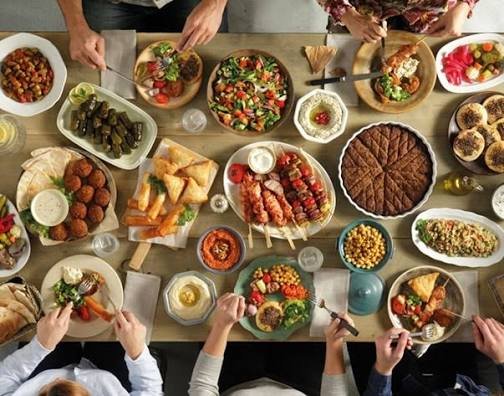

Introduction to Lebanese Cuisine In Lebanon
Lebanon is a fascinating destination for food lovers, offering a rich culinary heritage shaped by Mediterranean ingredients, regional traditions, and generations of family cooking. From bustling city markets to charming village stalls, the country’s food culture reflects a deep appreciation for fresh produce, aromatic spices, olive oil, and seasonal ingredients.
Exploring Lebanese Cuisine In Lebanon is about more than enjoying delicious meals. It is an opportunity to discover local customs, meet food producers, and understand how traditional specialties connect communities with their history. Whether you are visiting Beirut or exploring smaller towns, local food markets provide an authentic introduction to the flavors and traditions that define Lebanese gastronomy.
Why Explore Lebanese Cuisine In Lebanon Through Local Food Markets?
Local food markets are an essential part of Lebanon’s culinary identity. They bring together farmers, bakers, spice merchants, cheesemakers, and other producers who preserve traditional food practices.
Visitors can discover fresh fruits, vegetables, olives, herbs, nuts, handmade cheeses, and regional specialties while learning how Lebanese families select ingredients for everyday meals.
Markets are also excellent places to observe the diversity of Lebanese cooking. Coastal communities often emphasize seafood, while mountain villages are known for dairy products, preserved foods, and seasonal produce. These regional differences make exploring Lebanese food markets an enriching cultural experience.
Best Places to Discover Traditional Lebanese Food Markets
Beirut’s Local Markets and Food Shops
Beirut offers an exciting introduction to Lebanon’s food culture. Visitors can explore neighborhood produce shops, bakeries, specialty food stores, and markets selling fresh ingredients and traditional delicacies.
Souk el Tayeb is particularly associated with local producers, traditional food, and Lebanese culinary heritage. Depending on the event or market location, visitors may find seasonal produce, homemade specialties, regional dishes, and artisan products.
Walking through Beirut’s food districts also provides opportunities to sample traditional pastries, discover local coffee culture, and observe how everyday ingredients contribute to Lebanese cooking.
Tripoli’s Traditional Food Culture
Tripoli is celebrated for its culinary traditions, particularly its sweets, pastries, and regional specialties. The city’s historic commercial districts offer opportunities to discover traditional bakeries, spice shops, and vendors selling ingredients used in Lebanese home cooking.
Visitors can explore the city’s food culture through its famous sweet-making traditions and local specialties. Trying freshly prepared pastries and speaking with local vendors can provide valuable insight into Tripoli’s culinary identity.
Sidon’s Coastal Markets
Sidon, also known as Saida, is a historic coastal city where food traditions reflect Lebanon’s relationship with the Mediterranean Sea.
Visitors can discover fresh seafood, olives, seasonal vegetables, herbs, and ingredients used in traditional coastal dishes. The city’s old commercial areas also offer a glimpse into the relationship between local food trading and everyday life.
Mountain Villages and Regional Producers
Lebanon’s mountain villages offer a different perspective on traditional food. Depending on the season, local producers may sell fresh dairy products, labneh, cheeses, jams, honey, olives, and preserved vegetables.
Exploring rural food traditions helps visitors understand the importance of seasonal ingredients and home preparation in Lebanese cuisine. Local markets and community food events can also reveal specialties associated with particular villages and regions.
Traditional Specialties to Discover in Lebanese Cuisine In Lebanon
Lebanese cuisine is known for its balance of fresh ingredients, bold flavors, and varied textures. When exploring local markets, look for ingredients and specialties that represent the country’s culinary heritage.
- Manakish: A popular flatbread traditionally topped with za’atar, cheese, or other ingredients. It is commonly enjoyed for breakfast.
- Kibbeh: A traditional specialty generally prepared with bulgur wheat and minced meat, with numerous regional variations.
- Labneh: A strained yogurt product served with olive oil, herbs, or vegetables.
- Zaatar: An aromatic herb and spice mixture commonly combined with sesame seeds and sumac.
- Knefeh: A beloved dessert featuring cheese or other traditional fillings, pastry, and syrup, with variations across regions.
- Mouneh: A traditional approach to preserving seasonal ingredients, including jams, dried fruits, pickles, and other pantry staples.
- Olives and Olive Oil: Important elements of Lebanese cooking, used in salads, mezze, marinades, and everyday meals.
- Fresh Produce: Tomatoes, cucumbers, parsley, mint, lemons, and seasonal vegetables are central to many traditional dishes.
Sampling these specialties provides a deeper understanding of the ingredients and techniques that make Lebanese food distinctive.
Tips for Exploring Local Food Markets in Lebanon
A little preparation can help you make the most of your market visits while respecting local customs and supporting traditional producers.
- Visit in the morning: Many markets are liveliest when vendors display fresh produce and recently prepared specialties.
- Ask about seasonal products: Local vendors can explain which fruits, vegetables, and regional specialties are currently available.
- Speak with producers: Ask how traditional foods are made and how they are typically served at home.
- Try unfamiliar ingredients: Discovering local cheeses, spice blends, preserves, and pastries can make your visit more memorable.
- Respect local customs: Ask before photographing vendors or their stalls, and be considerate of busy trading areas.
- Choose fresh, properly stored foods: Pay attention to cleanliness and food handling, particularly when purchasing dairy products, meat, or seafood.
- Carry reusable bags: They are useful for transporting market purchases and reducing unnecessary packaging.
How Lebanese Food Markets Preserve Culinary Traditions
Lebanese food markets play an important role in passing culinary knowledge from one generation to the next. Traditional producers continue to prepare foods using familiar techniques, while families rely on seasonal ingredients for everyday cooking and celebrations.
Preservation practices, including drying fruit, preparing pickles, making jams, and storing olives, reflect the importance of using local harvests throughout the year. Markets also connect small-scale producers with consumers who value regional ingredients and traditional methods.
For travelers, these experiences offer more than a chance to taste new foods. They provide a window into Lebanese hospitality, agricultural heritage, and community life.
Frequently Asked Questions About Lebanese Cuisine In Lebanon
1. What foods should visitors try when exploring Lebanese food markets?
Visitors should look for manakish, labneh, za’atar, olives, seasonal fruits, traditional pastries, and regional sweets. Availability varies by location and season.
2. Where can I explore traditional Lebanese food markets?
Beirut, Tripoli, and Sidon offer opportunities to explore local food shops, traditional bakeries, and historic commercial districts. Rural villages also provide access to regional producers and seasonal specialties.
3. What makes Lebanese Cuisine In Lebanon unique?
Lebanese cuisine combines Mediterranean ingredients, regional influences, fresh herbs, olive oil, legumes, grilled foods, and traditional preservation techniques. Its diversity reflects the country’s geography and cultural heritage.
4. What is mouneh in Lebanese food culture?
Mouneh refers to traditional food preservation and pantry preparation. It includes products such as pickles, jams, dried fruits, and preserved vegetables that help households enjoy seasonal ingredients throughout the year.
5. When is the best time to visit Lebanese food markets?
Morning visits are often ideal for exploring fresh produce and meeting vendors. Seasonal availability differs across Lebanon, so checking local market schedules and community events before visiting is recommended.
Conclusion: Experiencing the Best of Lebanese Cuisine In Lebanon
Exploring Lebanese Cuisine In Lebanon through local food markets is a rewarding way to experience the country’s culinary heritage. From Beirut’s vibrant food scene to Tripoli’s traditional sweets, Sidon’s coastal specialties, and the preserved foods of mountain villages, every destination offers a distinctive taste of Lebanese life.
By sampling regional specialties, learning about local ingredients, and connecting with traditional producers, visitors can gain a deeper appreciation of the country’s food culture. Whether discovering za’atar, tasting freshly baked manakish, or exploring the traditions of mouneh, local markets provide an authentic introduction to the flavors, hospitality, and history that make Lebanon a memorable culinary destination.