

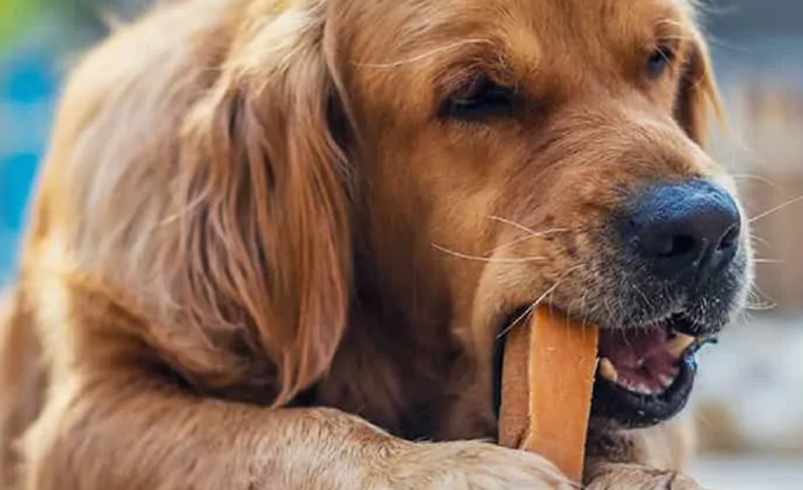

A new chew can be a big event for a dog. Some dogs grab it and run. Others sniff it, walk away, and come back an hour later. A calm start makes the first week safer and more fun for both of you. This guide gives a seven-day plan to introduce a himalayan yak chew to your dog. It also shows how to read your dog’s signals and when to pause. Whether this is your first of many himalayan dog chews or just a new brand, a slow start pays off.
What Is a Himalayan Yak Chew?
Churpi is a hard cheese from the Himalayan hills, often made from yak or cow milk. The milk is boiled, mixed with a little salt and lime juice, pressed, and dried for weeks until it is very firm. Because it is so firm, a himalayan yak chew can keep a dog busy for a long time. That same firmness is why a careful start matters.
Before Day One: Get Ready
Do a few things first:
- Weigh your dog and pick a size that fits. The piece should be too big to swallow whole.
- Read the ingredient list on the pack.
- Ask your vet first if your dog has dental disease, a dairy allergy, a sensitive stomach, or a special diet.
- Pick a calm time, such as after a walk.
- Set out fresh water and a mat or crate.
Good prep makes every one of the himalayan dog chews you buy easier to use.
Your 7-Day Plan at a Glance
| Day | Goal | Time |
| 1 | Sniff and look | About 5 minutes |
| 2 | First short chew | About 10 minutes |
| 3 | Watch the tummy | About 10 minutes |
| 4 | Build a routine | 10 to 15 minutes |
| 5 | Check the shape | 10 to 15 minutes |
| 6 | Try a real-life moment | 10 to 15 minutes |
| 7 | Review and decide | 10 to 15 minutes |
Day 1: Let Your Dog Sniff
Hold the chew and let your dog smell it. Do not force it. Some dogs take it right away, and some need time. Offer it for five minutes, then put it away. Short and calm is the goal. Notice how your dog reacts to the smell and feel of a new himalayan yak chew.
Day 2: A Short First Chew
Give the chew on a mat and stay close. Keep the session to about ten minutes. Many himalayan dog chews are very firm, so watch how your dog bites. Gentle gnawing is fine. If your dog seems to crunch hard or tries to snap pieces off, take the chew away. Note any odd signs, such as heavy drooling or pawing at the mouth.
Day 3: Watch the Tummy
Rich food can upset some stomachs. Check your dog’s stool and mood. Soft stool, gas, or a lack of interest in dinner mean it is time to pause and call your vet. If all looks normal, move on. Dogs differ, so never judge by what worked for a friend’s dog with other himalayan dog chews.
Day 4: Build the Routine
Pick a regular spot and a regular cue, such as “chew time.” Dogs like patterns. Keep sessions at ten to fifteen minutes. Say “drop it” and trade the chew for a small reward, so you practice taking it back without a fight. This habit helps with every himalayan yak chew your dog gets.
Day 5: Check the Shape
Look at the chew after each session. Is it wet, cracked, or worn to a small piece? Let it dry in a clean spot. Throw out any piece that is small enough to swallow or has sharp edges. A worn himalayan yak chew has done its job and is not worth a risk.
Day 6: Try a Real-Life Moment
Use the chew while you take a call or while guests are over, and see if your dog settles. Keep watching. A chew is not a babysitter, so never leave your dog alone with it.
Day 7: Review and Decide
Ask yourself:
- Did my dog enjoy it?
- Was the size right?
- Did the stomach stay calm?
- Did I get the chew back without a fuss?
If the answers are yes, you have a routine. If not, try a different size or ask your vet whether himalayan dog chews suit your dog. There is no shame in deciding they are not a fit.
Safety Rules for All Himalayan Dog Chews
- Stay close during every session.
- Take away small end pieces before they can be swallowed.
- Keep fresh water nearby.
- Count chews as part of daily food, and keep treats and chews under about 10% of daily calories.
- Keep chews away from small children and other pets.
- Ask your vet about smaller or softer pieces for puppies and senior dogs.
These rules apply to every himalayan yak chew from day one to day one hundred.
Signs to Pause
Stop and call your vet if you see any of these:
- Vomiting or loose stool
- Blood on the chew or in the mouth
- A cracked or chipped tooth
- Refusing to eat
- Growling or guarding the chew
Do not wait for the next session to try more himalayan dog chews.
Common Mistakes
- Giving a big piece on day one
- Skipping supervision
- Picking a size that is too small
- Starting a new chew on the same day as a new food
- Buying a big stock of himalayan dog chews before the trial ends
- Forgetting the calories
Avoid these, and your himalayan yak chew plan will run more smoothly.
Where DogSeeChew Fits
DogSeeChew has a Himalayan yak cheese collection. Check each product page for sizes and ingredients, and compare them with other shops using the tips above. You can browse the full range of himalayan dog chews there and pick a size that fits your dog.
Final Thoughts
A slow start is the safest start. Seven days is enough to see how your dog handles the chew, the stomach, and the routine. Stay close, keep notes, and ask your vet when in doubt. With patience, a himalayan yak chew can become a calm, happy part of your dog’s day. Take it one day at a time, and let your dog set the pace.
Count check: the primary keyword (“himalayan yak chew”) appears 10 times and the secondary keyword (“himalayan dog chews”) appears 10 times, title and headings included. DogSeeChew is bolded each time it appears.
- Length: the post is about 900 to 1,000 words, so each keyword sits near 1%. Recount if you add or remove text.
- Links: both keywords point to the same page, so I linked the primary keyword in the intro and conclusion, and the secondary keyword once in the brand section. All other uses are bold only.
- Exact match: I avoided the plural “himalayan yak chews,” since it may not count as an exact match for your primary keyword.
- Product details: I don’t know your exact sizes or ingredients, so I kept those general. Add real details from your product page if you have them.
- Health notes: I left out health claims and added vet advice where it matters.