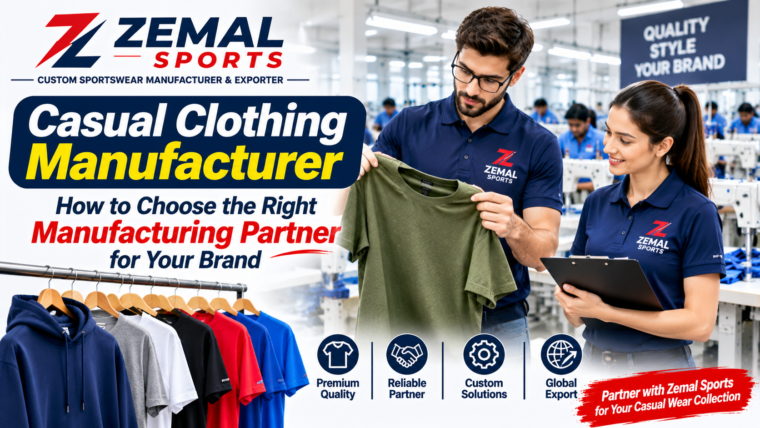

Casual Clothing Manufacturer – How to Choose the Right Manufacturing Partner for Your Brand
Introduction
Finding the right casual clothing manufacturer is an important decision for any fashion brand, retailer or clothing business. A manufacturing partner helps turn product ideas and designs into finished garments that customers can purchase and wear.
Casual clothing includes a wide range of products, such as T-shirts, hoodies, sweatshirts, polo shirts, joggers and shorts. Each product may require different fabrics, construction methods, sizing and finishing details.
Choosing a manufacturer should therefore involve more than comparing prices. Buyers need to consider product quality, customisation options, communication, production planning and the supplier’s ability to follow specifications.
1. Identify Your Manufacturing Requirements
Before contacting manufacturers, prepare a clear description of the products you want to develop.
Decide whether you need basic T-shirts, premium hoodies, casual tracksuits or a complete clothing collection.
Also identify:
- Required product categories
- Fabric preferences
- Target customer group
- Estimated order quantities
- Size range
- Branding requirements
- Expected delivery schedule
Having this information ready makes it easier to receive relevant quotations and compare manufacturers.
2. Review the Manufacturer’s Product Experience
Not every garment manufacturer specialises in the same product categories.
Some suppliers focus on basic T-shirts, while others have experience with hoodies, sweatshirts, activewear or more complex garments.
Ask about the manufacturer’s experience with your required products. Request examples of relevant work where available.
Pay attention to construction details, fabric quality, printing, embroidery and finishing.
A supplier familiar with your product category may be better prepared to understand its specific manufacturing requirements.
3. Evaluate Fabric Options
Fabric affects how casual clothing feels, looks and performs during everyday use.
Common choices include cotton, polyester and different blended materials.
A manufacturer should be able to explain available fabric compositions, weights, textures and suitable applications.
For example, a lightweight cotton fabric may be considered for everyday T-shirts, while heavier materials may be preferred for sweatshirts and hoodies.
Request fabric samples before making a final decision. Compare softness, thickness, appearance and washing requirements.
4. Check Customisation Capabilities
Many brands want garments that reflect their own identity rather than generic clothing.
Ask whether the manufacturer can provide:
- Custom garment colours
- Different fits and sizes
- Screen printing
- Heat transfer printing
- Embroidery
- Woven labels
- Printed neck labels
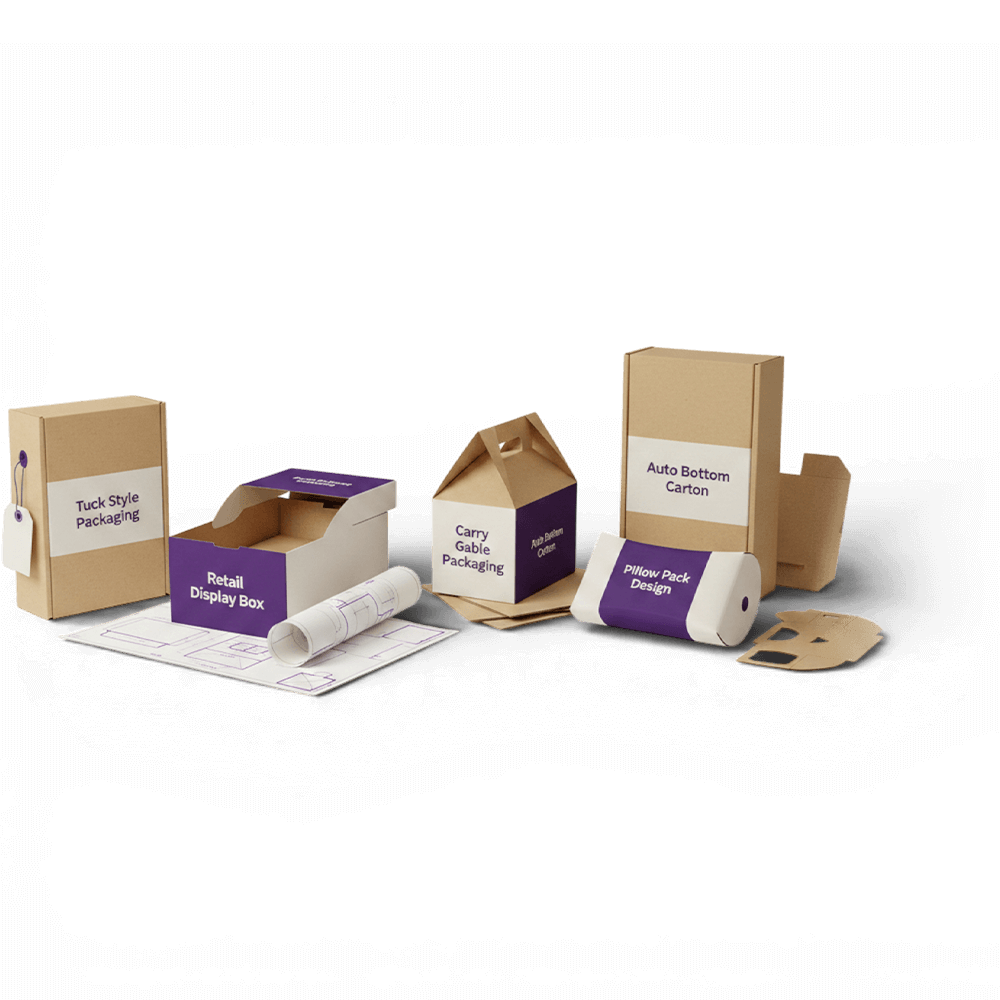
- Custom packaging
Discuss your artwork and design specifications in advance.
Confirm that the selected decoration method is suitable for the chosen fabric.
5. Understand the Sampling Process
Sampling allows buyers to review a garment before approving bulk production.
A good sample process should give buyers an opportunity to check measurements, fabric, fit, stitching and finishing.
Provide accurate specifications and artwork to avoid unnecessary revisions.
Once the sample is approved, retain its specifications as a reference for the production order.
6. Ask About Minimum Order Quantities
Manufacturers may have different minimum order requirements depending on the garment, fabric and customisation involved.
Some products may be available in smaller quantities, while specialised fabrics or complex designs may require larger orders.
Ask for the minimum quantity per style, colour and size where applicable.
Make sure you understand how order quantities affect pricing and production planning.
7. Review Quality Control Procedures
Quality control helps ensure that garments meet the agreed requirements.
Ask how the manufacturer checks fabric, measurements, stitching, printing and finishing.
For casual clothing, useful inspection points include:
- Correct garment measurements
- Consistent stitching
- Proper neckline and hem finishing
- Accurate colour matching
- Print and embroidery quality
- Correct labels
- Packaging condition
Discuss quality expectations before production starts.
8. Compare Quotations Carefully
Price is important, but quotations should be compared using the same product specifications.
Check whether the quoted price includes fabric, printing, embroidery, labels, packaging and other requested services.
Also clarify sampling costs, minimum quantities, payment terms and shipping arrangements.
A low price may not represent good value if important product requirements are excluded.
9. Evaluate Communication and Reliability
Clear communication is essential when working with a manufacturer, particularly for international orders.
A supplier should respond clearly to questions and confirm important details in writing.
Discuss how design changes, sample approvals, production updates and quality concerns will be handled.
Reliable communication helps reduce misunderstandings and supports a more organised manufacturing process.
10. Understand Export and Shipping Arrangements
International buyers should discuss shipping methods, packaging, documentation and delivery expectations before placing an order.
Confirm which shipping arrangements are included in the quotation and which responsibilities belong to the buyer.
Allow sufficient time for production, inspection and transportation.
Conclusion
Choosing the right casual clothing manufacturer can influence product quality, customer satisfaction and the long-term development of a clothing brand. Buyers should evaluate manufacturing experience, fabric choices, customisation services, sample procedures, quality control and communication before making a decision.
Zemal Sports, based in Sialkot, Pakistan, offers custom apparel manufacturing and export solutions for international customers. Its product range includes sportswear, casual wear, T-shirts, hoodies, sweatshirts and personalised clothing. Businesses can discuss their designs, materials and production requirements to develop garments that match their brand objectives.