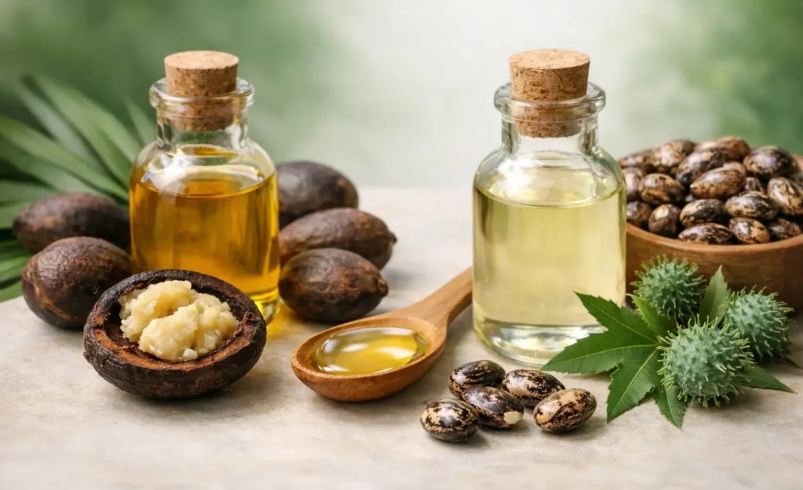

Natural ingredients are widely used in dietary supplements, skincare products, herbal preparations, and traditional remedies. However, the word natural does not tell consumers everything they need to know about a product. Two products made with ingredients from similar sources can differ in purity, processing methods, composition, and quality controls.
Learning how to assess these differences helps consumers make more informed decisions. Whether you are buying a botanical extract, a mineral preparation, or an ingredient used in traditional wellness practices, a few practical checks can help you look beyond marketing claims.
1. Understand Where an Ingredient Comes From
The origin of an ingredient can provide useful information about how it is collected and processed. Some materials come from cultivated plants, while others are collected from forests, mineral deposits, or specific geographic regions.
Understanding the source can help explain why the same ingredient may vary between batches. Soil conditions, climate, harvesting practices, storage, and processing can all influence the characteristics of a natural material.
For example, Shilajit is a naturally occurring substance associated with high mountain regions. Its collection involves particular environmental and processing considerations. Readers interested in this subject can learn more about how Shilajit is collected in mountain regions.
Knowing where an ingredient originates is a useful starting point, but geographical origin alone does not establish its safety or quality. Reliable product information should explain the source and provide evidence of appropriate quality controls.
2. Look Beyond the Word “Natural”
Product labels often use words such as natural, pure, traditional, and premium. These terms can describe a product’s positioning, but they do not necessarily demonstrate its quality.
A naturally sourced ingredient may still contain unwanted contaminants. Its composition may also vary depending on the raw material and the methods used to process it.
Instead of relying only on marketing language, look for specific information:
- The identity of the ingredient and its source.
- The amount of each declared ingredient per serving.
- The processing or extraction method, where relevant.
- Information about testing and quality control.
- Clear instructions for use and appropriate warnings.
If a manufacturer makes a specific claim about purity or composition, look for documentation that supports it. Detailed, verifiable information is more useful than broad statements about natural origins.
3. Understand What Third-Party Testing Can Tell You
Laboratory testing can help identify the contents of a product and assess particular safety concerns. Independent testing may provide additional confidence when the laboratory, methods, and results are clearly documented.
The type of testing matters because no single analysis answers every quality question.
Depending on the ingredient, relevant checks may include:
Identity testing: Helps establish whether the material matches the ingredient described on the label.
Contaminant testing: Can assess substances such as lead, arsenic, cadmium, mercury, pesticide residues, or other contaminants when relevant.
Microbiological testing: Helps assess contamination by microorganisms in products where this is a concern.
Composition testing: Measures selected compounds or ingredients to determine whether their levels match specified requirements.
A certificate of analysis can provide useful information, but consumers should check what was tested, which batch the results cover, and whether the report identifies the laboratory. A document that reports only one measurement does not establish every aspect of product quality.
4. Why Processing Methods Matter
Natural raw materials often require cleaning, drying, extraction, filtration, or other processing before they can be used in a finished product.
These steps can affect the material’s composition and suitability for its intended purpose. Poor handling may introduce contaminants, while inconsistent processing can produce differences between batches.
For plant extracts, the extraction method and concentration may affect which compounds are present in the final material. For mineral-rich or resin-like substances, purification and contaminant controls can be especially important.
Consumers do not need to understand every technical detail. However, manufacturers should be able to explain their quality-control approach in terms that ordinary buyers can understand.
Be cautious when a company describes its process as completely pure or entirely safe without providing meaningful supporting information.
5. Read Supplement Labels Carefully
A supplement label provides essential information about the product and its intended use. Taking a few moments to read it can reveal details that promotional descriptions may leave out.
Start by checking the ingredient list and serving size. These details help you understand what the product contains and how much the manufacturer recommends taking.
Next, review the warnings, storage instructions, expiry information, and manufacturer details. If the label includes standardized extracts or named compounds, check whether the quantities are clearly stated.
Pay attention to the distinction between an ingredient’s presence and its demonstrated effects. A product may contain a particular compound without there being sufficient evidence that the finished product provides a claimed health benefit.
Be especially cautious about claims that a supplement can prevent, diagnose, or cure a disease. Such claims require appropriate scientific and regulatory support.
6. Check the Evidence Behind Health Claims
A long history of traditional use can explain why people are interested in a natural ingredient. However, traditional use and scientific evidence answer different questions.
Research may examine the safety of an ingredient, its chemical composition, its effects in laboratory experiments, or its potential benefits in human studies. Results from one type of research cannot automatically be applied to every product containing that ingredient.
When evaluating a health claim, consider three questions:
- Was the ingredient studied in humans, or is the claim based mainly on laboratory or animal research?
- Did the research examine the same form and dose as the product being sold?
- Were the findings published in a credible scientific source and supported by other evidence?
A study involving a concentrated extract, for example, may not establish the effects of a different preparation with an unknown composition.
Be skeptical of products promoted with guaranteed results, dramatic promises, or testimonials presented as proof. Individual experiences can be interesting, but they cannot replace well-designed research.
7. Consider Safety Before Choosing a Product
Natural ingredients are not automatically suitable for everyone. Their effects can depend on the substance, dose, product quality, a person’s health, and other medicines or supplements they use.
Some ingredients may interact with medication or be unsuitable during pregnancy or breastfeeding. Others may carry risks when taken in excessive amounts or when they contain contaminants.
If you have an existing medical condition, take prescription medication, or are considering a supplement for a specific health concern, consult a qualified healthcare professional before using it.
Do not replace prescribed treatment with a supplement based on marketing claims or online testimonials. If a product causes an unexpected reaction, stop using it and seek appropriate medical advice.
8. Compare Products Using Clear Criteria
Comparing products becomes easier when you use the same criteria for each one rather than relying on packaging or price alone.
A simple comparison can include the following:
| Evaluation point | What to check |
|---|---|
| Ingredient identity | Is the ingredient clearly named? |
| Source | Is the origin explained? |
| Composition | Are amounts and relevant specifications provided? |
| Testing | Are suitable laboratory checks documented? |
| Manufacturer | Can you identify and contact the responsible company? |
| Safety information | Are warnings and instructions clear? |
| Health claims | Are claims supported by credible evidence? |
Not every product will provide the same level of detail, and testing requirements vary by ingredient. The goal is to identify what is known, what remains uncertain, and whether the available information is sufficient for an informed decision.
Final Thoughts
Evaluating natural ingredients requires more than checking whether a product is described as pure, traditional, or naturally sourced. Origin, processing, composition, testing, labeling, and scientific evidence all contribute to a more complete picture.
Consumers can make better-informed choices by asking specific questions and looking for verifiable answers. When information is missing or claims sound too good to be true, taking time to investigate is a sensible step.
Natural ingredients can have different uses and properties, but responsible decisions begin with understanding what a product contains, how its quality is assessed, and what the available evidence actually supports.