
Understanding Circuit Protection in Modern Electrical Systems
Electrical safety is essential in residential, commercial, and industrial environments. Every electrical installation requires reliable protection against problems such as overloads and short circuits. A miniature circuit breaker is a widely used device that automatically interrupts electrical flow when a fault occurs. Similarly, MCCB breakers provide protection for circuits that require higher current ratings and greater capacity. Selecting suitable circuit protection equipment helps reduce electrical risks, protect connected appliances, and maintain dependable system performance.
Modern electrical installations depend on carefully selected protection devices to support safe and efficient power distribution. From small household distribution boards to large industrial panels, circuit breakers play an important role in controlling electrical faults. Understanding their functions and differences helps property owners, electricians, engineers, and facility managers make informed decisions.
What Is a Miniature Circuit Breaker?
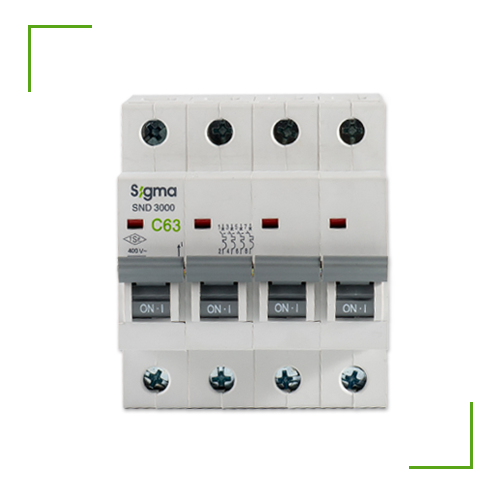
A miniature circuit breaker, commonly called an MCB, is an automatic switching device designed to protect electrical circuits against overloads and short circuits. Unlike a traditional fuse, which must be replaced after operating, an MCB can generally be reset once the fault has been identified and corrected.
These devices are commonly installed in homes, offices, shops, and small commercial buildings. They help protect lighting circuits, socket outlets, and other electrical loads. When excessive current flows through a protected circuit, the breaker trips to interrupt the supply.
The selection of an appropriate MCB depends on several factors, including the expected load, cable capacity, installation conditions, and required tripping characteristics. Correct installation and coordination with other protective devices are equally important for effective electrical safety.
MCCB breakers, or moulded case circuit breakers, are designed to protect electrical circuits that may require higher current ratings and greater fault-interruption capabilities than typical miniature breakers. They are frequently used in industrial facilities, commercial buildings, manufacturing plants, and larger power distribution systems.
MCCBs can provide overload and short-circuit protection, while certain models also offer adjustable protection settings. These features allow qualified electrical professionals to coordinate protective devices with the requirements of a particular installation.
Depending on the model, MCCBs may support motors, machinery, distribution panels, and other demanding electrical applications. Their selection should consider rated current, breaking capacity, operating voltage, available fault current, and the characteristics of the connected equipment.
Key Differences Between MCBs and MCCBs
Although both devices protect electrical circuits, their typical applications and capabilities differ.
- Current rating: MCBs are generally used for lower-current circuits, while MCCBs cover a broader range of higher-current applications.
- Breaking capacity: The ability to interrupt fault current varies by model. MCCBs are often selected where higher fault levels must be managed.
- Protection settings: Many MCBs have predefined trip characteristics, whereas some MCCBs offer adjustable settings.
- Applications: MCBs are common in residential and smaller commercial installations. MCCBs are widely used in larger commercial and industrial systems.
- Installation requirements: Both require correct sizing, suitable wiring, and compliance with applicable electrical standards.
The right device depends on the actual circuit requirements rather than simply the size of the building.
How to Choose the Right Circuit Breaker
Choosing the correct protection equipment begins with understanding the electrical load and the risks associated with the installation. A miniature circuit breaker should be selected according to the circuit’s load, conductor capacity, and expected fault conditions. The breaker must provide appropriate protection without creating an unsafe mismatch between the protective device and the wiring.
For larger distribution systems, MCCB breakers may be appropriate when higher current ratings, greater breaking capacity, or adjustable protection are required. Engineers should evaluate the available fault current and coordinate upstream and downstream protective devices to reduce unnecessary interruptions.
Quality, compatibility, and installation standards also matter. Jawad Electric is a brand associated with electrical products and circuit protection equipment, helping customers explore options for different electrical applications. Before purchasing any breaker, verify its technical specifications and suitability for the intended system.
Frequently Asked Questions
1. What is the main purpose of a miniature circuit breaker?
Its primary purpose is to interrupt electrical flow when an overload or short circuit occurs, helping protect wiring and connected equipment.
2. Where are MCCB breakers commonly used?
They are commonly used in industrial plants, commercial buildings, machinery installations, and larger electrical distribution panels.
3. Can an MCB replace an MCCB?
Not necessarily. The devices have different ratings and capabilities. Replacement is appropriate only when the selected device meets the circuit’s electrical and protection requirements.
4. Are MCCBs suitable for industrial equipment?
Yes, suitable MCCB models are frequently used for industrial equipment, provided their ratings, breaking capacity, and protection characteristics match the application.
5. What should be checked before selecting a circuit breaker?
Check the rated current, operating voltage, fault-interruption capacity, cable specifications, trip characteristics, and applicable electrical standards.
Conclusion
Reliable circuit protection is fundamental to safe electrical installations. Miniature breakers provide practical protection for many residential and smaller commercial circuits, while MCCBs support applications with more demanding current and fault requirements. Understanding their differences makes it easier to select equipment that matches the installation’s needs.
With careful product selection, correct installation, and regular inspection, businesses and property owners can improve electrical safety and reduce the risk of equipment damage. Jawad Electric can be considered when exploring circuit protection products for residential, commercial, and industrial electrical systems.