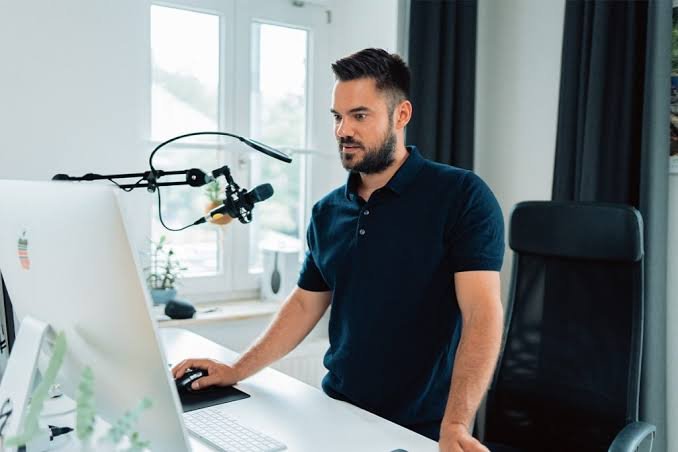

Turning an online following into a business brings financial responsibilities. Instagram creators, TikTok influencers, YouTubers, streamers, bloggers and podcasters can earn through multiple platforms, brands and audiences. Organising payments, expenses and tax obligations can quickly become complicated.
Specialist Influencer Accountants help creators meet HMRC requirements and make informed decisions as they grow. Lanop Business & Tax Advisors provides accounting, bookkeeping and tax support for digital businesses.
Why Influencers Need Specialist Accountants
Creator income can include brand campaign fees, YouTube advertising, affiliate commissions, subscriptions and products received for promotional content. An experienced accountant for influencers brings these transactions into one clear financial picture by recording income, reconciling platform payouts, tracking fees and keeping evidence for tax reporting.
What Income Should Content Creators Record?
Accounting for content creators starts with identifying every revenue stream:
- Brand partnerships and sponsored posts, including campaign fees.
- Platform advertising revenue and creator programme payments.
- Affiliate marketing commissions from referral links and discount codes.
- Subscriptions, tips and memberships from streaming platforms.
- Digital products, merchandise, courses and appearances.
- Products or services received for promotion, where they form payment in kind.
Keep contracts, invoices, platform statements and payment records. Products supplied in exchange for an agreed post or review may count as business income even when no cash changes hands. A genuine no-strings gift may be treated differently. Creators should also identify incentivised endorsements clearly as advertising.
Do Influencers Pay Tax in the UK?
Commercial content-creation income is generally taxable. The £1,000 trading allowance may cover eligible gross trading income in a tax year, but it is shared across relevant trading activities and side hustles. If total gross trading income exceeds £1,000, you will generally need to tell HMRC and may need to register for Self Assessment. This is not a £1,000 profit exemption.
Sole traders usually report business income and allowable expenses through Self Assessment. Limited companies have separate responsibilities, including annual accounts and Corporation Tax returns. Keeping records throughout the year makes reporting easier.
Which Expenses Can Influencers Claim?
A content creator accountant can help identify genuine business costs, which may include cameras, microphones, lighting, editing software, cloud storage, website hosting, advertising and professional fees.
A business proportion of phone, internet or home-working costs may also qualify. Equipment can be treated as an expense or capital expenditure, depending on the rules. Personal clothing and ordinary holidays do not become allowable simply because they appear in content. Keep receipts and record the business purpose of each claim.
Sole Trader or Limited Company?
Many creators start as sole traders because administration is simpler. The individual reports business profits through a personal tax return and remains personally responsible for business liabilities.
A limited company for influencers may be worth considering when earnings become consistent, contracts grow or staff are hired. A company is a separate legal entity and may offer options for retaining profits and paying a director through salary and dividends. It also brings extra filing, accounts and payroll duties.
Incorporating does not automatically save tax. An influencer tax accountant can compare the costs, tax position, cash needs and future plans before you decide.
VAT and Making Tax Digital
The UK VAT registration threshold is currently £90,000 of taxable turnover over a rolling 12-month period, or where the future-turnover test applies. This is turnover, not profit. International campaigns need extra care because VAT treatment can depend on the customer, service and place-of-supply rules.
Making Tax Digital for Income Tax began on 6 April 2026 for eligible sole traders and landlords with qualifying income above £50,000, based on the 2024 to 2025 tax year. The threshold is scheduled to fall to £30,000 from April 2027 and £20,000 from April 2028. Affected creators need compatible software and digital records, subject to exemptions.
How Lanop Supports Influencers
Lanop Business & Tax Advisors provides influencer accounting services across the UK for YouTubers, TikTok and Instagram influencers, streamers, bloggers, podcasters and online educators. Our social media influencer accountants tailor support to each creator’s business model.
Support includes bookkeeping for influencers, platform-payment reconciliation through Xero or QuickBooks, Self Assessment, annual accounts, Corporation Tax, VAT returns, expense reviews, tax planning, payroll, dividend guidance and HMRC correspondence. We can also help record overseas earnings and consider double-tax relief where available.
The right support depends on your income, structure and working arrangements. Lanop can help you organise your records, understand your obligations and plan ahead.
Build Your Creator Business with Confidence
Content creation takes time and commercial judgement. Your accounting should support that work, not distract from it. Specialist Influencer Accountants can help you maintain clearer records, understand your tax position and make informed decisions about partnerships and growth.
Speak to Lanop Business & Tax Advisors about accounting and tax support for your creator business. You focus on creating valuable content; we help manage the numbers.
Frequently Asked Questions
Do influencers need an accountant? Support is especially useful when you have several income streams, brand deals, overseas payments or a growing business.
Are gifted products taxable? Products provided in exchange for promotion may count as income at their appropriate value. Unconditional gifts can be treated differently.
Can influencers claim camera and editing costs? Business-use equipment and software may qualify, subject to the applicable rules and correct treatment.
When must an influencer register for VAT? Usually when taxable turnover exceeds £90,000 in a rolling 12-month period or the future-turnover test is met.