
Concrete floors offer strength and long-term value, but they still face daily wear. Foot traffic, vehicle tires, moisture, stains, and changing temperatures can gradually affect their surfaces. A suitable coating adds a protective layer while improving the floor’s appearance. It can also make routine cleaning easier and help extend the surface’s useful life.
Choosing the right durable concrete coating depends on where you plan to use it. Garage floors need different protection from patios, basements, or commercial spaces. Therefore, property owners should consider surface conditions, expected traffic, and exposure to moisture before selecting a finish. Concrete Art helps homeowners and property managers explore concrete finishing options that suit their spaces and practical needs.
This guide explains common coating types, preparation steps, indoor and outdoor applications, and maintenance considerations. Additionally, it covers useful questions to ask before starting a project. With the right information, Chatham property owners can make a more confident flooring decision.
What Is Concrete Coating and Why Does It Matter?
Concrete may look solid, but its surface contains small pores that can absorb moisture and stains. Daily use can also create scratches, discoloration, and surface wear. A coating forms a protective layer that helps reduce these effects.
Understanding the Purpose of a Concrete Finish
A properly selected professional concrete coating can improve both function and appearance. Depending on the product, it may resist chemicals, moisture, abrasion, or common household spills. However, no coating protects every surface against every type of damage.
Common benefits include:
- Surface protection: Coatings help limit direct contact with spills, dirt, and everyday contaminants.
- Easier cleaning: Many coated floors have smoother surfaces that simplify routine maintenance.
- Improved appearance: Available finishes can add color, gloss, texture, or a more uniform look.
- Reduced surface wear: Suitable products can help protect concrete from regular foot and vehicle traffic.
- Long-term value: Proper preparation and maintenance can help reduce the need for frequent surface repairs.
Furthermore, coatings can help property owners adapt existing concrete floors without replacing the entire surface. The best result depends on the concrete’s condition and the coating system.
Choosing the Right Concrete Coating for Your Property
Different spaces place different demands on concrete floors. A garage may face hot tires, oil drips, and heavy equipment. Meanwhile, a basement may need protection from occasional moisture and household activity.
How to Match a Coating to Its Intended Use
The right reliable concrete coating starts with a clear understanding of the surface. Consider how people use the area and what the floor encounters each day.
For example, compare these factors before selecting a product:
- Traffic level: Busy garages and commercial spaces need suitable abrasion resistance.
- Moisture exposure: Basements and outdoor slabs require careful moisture assessment.
- Chemical contact: Workshops may need resistance to oil, cleaners, or other chemicals.
- Appearance: Choose a finish that complements the property’s design and lighting.
- Slip resistance: Textured finishes or suitable additives may improve traction in certain areas.
Additionally, ask about curing time and application conditions. Some systems require specific temperatures and humidity levels. Therefore, the installation schedule should account for product instructions and local weather.
A professional assessment can identify cracks, previous coatings, and other conditions that affect product selection. This step helps prevent avoidable application problems.
Indoor and Outdoor Concrete Coating Options
Indoor and outdoor concrete surfaces experience different conditions. Interior floors often face furniture movement, spills, and regular foot traffic. Exterior surfaces must also handle sunlight, rain, temperature changes, and seasonal weather.
Selecting a Finish for Each Environment
A suitable indoor concrete coating can improve floors in garages, basements, workshops, and utility rooms. Product selection should reflect the room’s moisture levels and daily activities. For example, a garage floor may need resistance to vehicle-related fluids and tire contact.
An appropriate outdoor concrete coating must handle exposure to the elements. However, not every indoor coating can withstand outdoor conditions. Always check the manufacturer’s guidance for exterior use and UV stability.
Consider these five practical points:
- Garage floors: Look for a system designed for vehicle traffic and common automotive spills.
- Basements: Check for moisture concerns before applying any coating.
- Patios: Consider weather resistance and surface texture for outdoor use.
- Walkways: Prioritize traction, drainage, and resistance to changing conditions.
- Work areas: Match the coating to expected tools, equipment, and chemical exposure.
Moreover, concrete surfaces need proper preparation before application. Learn more about concrete and its properties to understand why surface condition matters.
Preparing Concrete Before Applying a Coating
Even a high-quality coating can fail when installers overlook surface preparation. Dust, grease, moisture, and weak concrete can prevent proper bonding. Therefore, preparation deserves as much attention as product selection.
Steps That Support Better Coating Adhesion
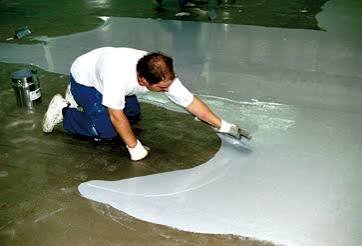
A professional concrete coating project should begin with a careful inspection. The installer should check for cracks, uneven areas, previous sealers, and signs of moisture. These conditions may require repairs or additional preparation.
A typical preparation process includes:
- Cleaning the surface: Remove dirt, oil, grease, and loose materials.
- Repairing defects: Address cracks, chips, and damaged concrete where appropriate.
- Preparing the texture: Use a suitable mechanical method to create the required surface profile.
- Checking moisture: Test conditions when the coating system requires moisture assessment.
- Removing dust: Clean the prepared surface before applying the coating.
Additionally, installers should follow the product’s instructions for mixing, application thickness, and curing. Rushing these steps can affect the final finish.
Ask the contractor how they plan to prepare your specific floor. A clear explanation helps you understand the work and identify important project requirements.
Maintaining a Concrete Protective Coating
Routine care helps preserve the appearance and performance of a coated floor. Although coatings reduce direct exposure to many contaminants, they do not eliminate maintenance needs. Dirt, abrasive particles, and harsh chemicals can still affect the finish.
Everyday Care for Coated Concrete Floors
A suitable concrete protective coating can simplify cleaning, but regular attention remains important. Start with simple habits that remove debris before it scratches the surface.
Follow these five maintenance practices:
- Sweep regularly: Remove sand, grit, and loose debris with a soft broom or dust mop.
- Clean spills promptly: Wipe oil, chemicals, and other liquids before they sit on the surface.
- Use suitable cleaners: Follow the coating manufacturer’s recommendations for cleaning products.
- Protect high-traffic areas: Use appropriate mats where people or equipment repeatedly move.
- Inspect the finish: Look for peeling, cracks, worn spots, or other changes.
Furthermore, avoid harsh tools or abrasive cleaners unless the product instructions allow them. These materials may dull or damage certain finishes.
If you notice peeling or persistent discoloration, ask a qualified professional to assess the cause. A repair may require more than simply adding another coat.
Planning a Concrete Coating Project in Chatham
Good planning helps property owners understand the work, costs, and expected results. Before choosing an installer, discuss the floor’s condition and the purpose of the project. This conversation helps establish realistic expectations.
Questions to Ask Before Work Begins
A suitable concrete coating system should match the surface, environment, and intended use. However, the product name alone does not guarantee a successful result. Installation quality and preparation also matter.
Ask these five questions during your project consultation:
- What preparation does my floor need? Request details about cleaning, repairs, and surface profiling.
- Which coating system suits this space? Ask why the recommended product fits your conditions.
- How long will installation take? Confirm preparation, application, and curing schedules.
- What maintenance does the finish require? Request clear cleaning and care instructions.
- What does the estimate include? Review materials, labor, repairs, and any additional charges.
Additionally, discuss color, texture, gloss level, and slip resistance before work starts. Concrete Art can help property owners consider their concrete finishing needs and project goals.
Finally, review the written estimate and product information. Clear communication makes it easier to compare options and plan around the installation.
Conclusion
A well-chosen coating can help protect concrete floors while improving their appearance and everyday usability. However, the best system depends on the surface, its location, and the conditions it faces. Garages, basements, patios, and commercial spaces all have different requirements.
Before starting a project, inspect the concrete and identify any cracks, moisture concerns, or existing finishes. Then compare products based on durability, appearance, traction, and maintenance needs. Proper preparation also plays a major role in how well the coating performs.
For property owners considering expert concrete protective coating in Chatham, IL, careful planning can make the process easier. Ask about preparation methods, product suitability, curing time, and long-term care. Additionally, request a clear estimate before approving the work.
With the right materials and installation approach, a coated concrete floor can serve your property for years. Focus on practical performance first, then choose a finish that complements your space.
FAQs
What is concrete coating used for?
Concrete coating protects floor surfaces from everyday wear, stains, moisture, and certain chemicals. It can also improve appearance and simplify cleaning.
Can concrete coating be applied to outdoor surfaces?
Yes. However, the product must suit outdoor exposure, including sunlight, rain, and temperature changes.
How long does a concrete coating take to cure?
Curing time varies by product, temperature, humidity, and application thickness. Follow the manufacturer’s instructions before walking or driving on the surface.
Does concrete need preparation before coating?
Yes. Installers generally need to clean the surface, address defects, remove contaminants, and create a suitable profile for bonding.
How do I maintain a coated concrete floor?
Sweep regularly, clean spills promptly, use approved cleaning products, and inspect the finish for damage.