
Waking up with a stiff back, dreading the stairs, or giving up activities you once loved can wear you down far more than the pain itself. Many people spend years cycling through pain pills, short-term fixes, and the fear that surgery is their only option. Today, more patients are asking a better question: can the body be supported in healing itself? That question is why Regenerative Medicine Tampa, FL has become such a popular search for people who want lasting relief without jumping straight to major procedures. In this guide, we explain how regenerative care works, which conditions it may help, and what to expect when you take the first step.
Why Chronic Pain Often Needs a Different Approach
Traditional pain care often focuses on quieting symptoms. Medication can dull discomfort, and steroid injections may calm inflammation for a while, but neither is designed to address why tissue was damaged in the first place. When the root problem remains, pain tends to return and daily function slowly declines.
A root-cause approach looks at the whole picture. Posture, movement patterns, inflammation, previous injuries, age-related wear, and overall health all play a part. By identifying which structures are truly generating pain, a physician can build a plan that supports repair rather than simply masking the signal. Patients often describe this as a shift from managing pain to restoring function.
What Regenerative Care Actually Involves
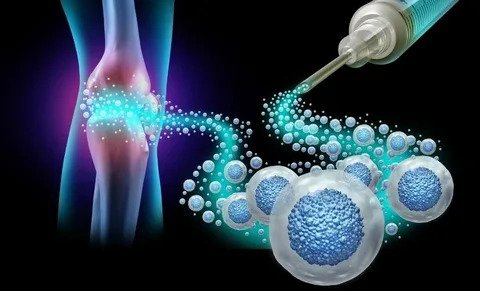
Regenerative treatments use substances from your own body, or carefully selected biologic materials, to encourage the natural healing process in damaged areas. The goal is to improve the environment around injured discs, joints, tendons, and nerves so the body can work more effectively.
Common tools in a regenerative practice include:
- Platelet-rich plasma, which concentrates growth factors from your blood
- Bone marrow aspirate concentrate, which uses cells and signaling proteins from your own marrow
- Image-guided injections, which place treatment precisely where it is needed
- Laser therapy, which may help reduce inflammation and support tissue comfort
- Functional medicine, which looks at nutrition, hormones, and lifestyle factors that affect healing
Because these options rely on your own biology, many patients view them as a gentler alternative to opioids and invasive surgery.
Conditions That May Respond to Regenerative Treatment
Regenerative care is commonly explored for chronic back pain, neck pain, sciatica, herniated discs, spinal stenosis, arthritis, and nerve-related pain. It is also used for knees, shoulders, hips, and other joints worn down by sports, work, or time. Results vary from person to person, and a thorough evaluation, often including imaging, is the best way to learn whether your condition is a good match. A responsible provider will explain realistic expectations and avoid making promises.
Understanding PRP Therapy Step by Step
Among all regenerative options, PRP Injections Tampa, FL are one of the most widely discussed, and for good reason. PRP starts with a simple blood draw. The sample is spun in a centrifuge to concentrate platelets, which are rich in growth factors that play a role in tissue repair. That concentrated plasma is then injected into the injured area, often with ultrasound or fluoroscopic guidance for accuracy.
Because the treatment uses your own blood, the risk of allergic reaction or rejection is low. Most people return to light daily activity soon after, though your doctor will give specific guidance. Improvement tends to build gradually over several weeks as the body responds, and some patients benefit from more than one session. Research on PRP is still growing, and Johns Hopkins Medicine offers a helpful overview of how the procedure works and what the evidence currently shows.
What to Expect During Your First Visit
A first visit typically begins with a detailed conversation about your pain history, lifestyle, and goals. Expect a physical exam and a review of any MRI, X-ray, or previous treatment records. From there, your physician explains which options make sense and how they fit together.
Treatment day is usually quick. Your skin is cleaned, the area may be numbed, and the injection is guided with imaging. Many procedures take less than an hour. Afterward, a rehabilitation or movement plan helps your body make the most of the healing window, and follow-up visits track your progress so the plan can be adjusted.
Who May Be a Good Candidate
You may be a strong candidate if you have had pain for months, want to avoid or delay surgery, and standard treatments have not delivered lasting relief. Active adults, athletes, and older patients dealing with arthritis often explore these options. Certain conditions, such as active infections, blood disorders, or some medications, may make treatment unsuitable, so an honest medical history matters.
Supporting Your Recovery at Home
Healing does not stop when you leave the clinic. Gentle movement, a protein-rich diet, good hydration, and quality sleep all help the body rebuild. Limiting processed food and alcohol may support results, and it is important to follow your physician’s guidance on activity and anti-inflammatory medication. Small, consistent habits often make the biggest difference over time.
Take the First Step Toward Lasting Relief
Chronic pain does not have to define your future. If you are ready to explore a root-cause approach, a trusted local team can help you understand your options. DR2SPINE, led by double board-certified physician Dr. Myrdalis Díaz-Ramírez, combines more than 25 years of pain medicine experience with advanced regenerative care, image-guided precision, and its signature DR2SPINE Motion Method™. Schedule a consultation today and take the first step toward moving comfortably again.
Frequently Asked Questions
1. What is regenerative medicine?
Regenerative medicine uses the body’s own healing resources, such as platelets or bone marrow components, to support repair in damaged tissue. It aims to address the source of pain rather than only relieving symptoms.
2. How long do PRP injections take to work?
Most patients notice gradual changes over several weeks as the body responds. Timing and results depend on the condition treated, its severity, and the individual.
3. Are PRP injections painful?
Patients usually report mild to moderate discomfort during the injection, and numbing is often used. Some soreness at the site for a few days afterward is common.
4. Is regenerative treatment covered by insurance?
Coverage varies. Many regenerative procedures are considered elective and may not be covered, so it is best to confirm details with the practice and your insurance provider.
5. Can regenerative medicine replace surgery?
For some patients it may help delay or avoid surgery, but it is not right for every condition. A physician can tell you whether it fits your situation after a full evaluation.