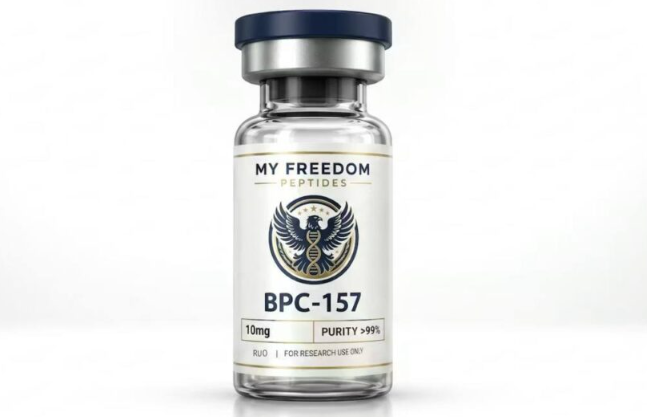

The term BPC 157 research grade describes how a compound may be marketed for scientific or analytical research. However, the phrase should not be treated as a formal certification or proof of suitability for human use.
Understanding Research Grade
Research-grade materials are intended for laboratory investigation and analytical work. The term alone does not specify a particular purity threshold, manufacturing certification, or regulatory approval.
Importance of Product Specifications
Researchers should examine the product’s stated identity, quantity, and available technical information. These details help establish what material is being evaluated and recorded.
Analytical Verification
Testing methods such as HPLC and mass spectrometry can provide information about purity and molecular identity. A Certificate of Analysis may document the tests performed on a particular batch.
Responsible Interpretation
Research-grade labeling should never be interpreted as evidence that a compound is safe or effective as a medicine. Preclinical research findings and laboratory specifications do not replace clinical evidence or regulatory authorization.
Conclusion
The meaning of research grade should be assessed through product documentation and actual analytical results. Clear specifications and batch-specific reports help support responsible laboratory evaluation.
Research Disclaimer: Products are intended strictly for laboratory, analytical, and scientific research purposes only. They are not intended for human or veterinary consumption, administration, diagnosis, or therapeutic use.