

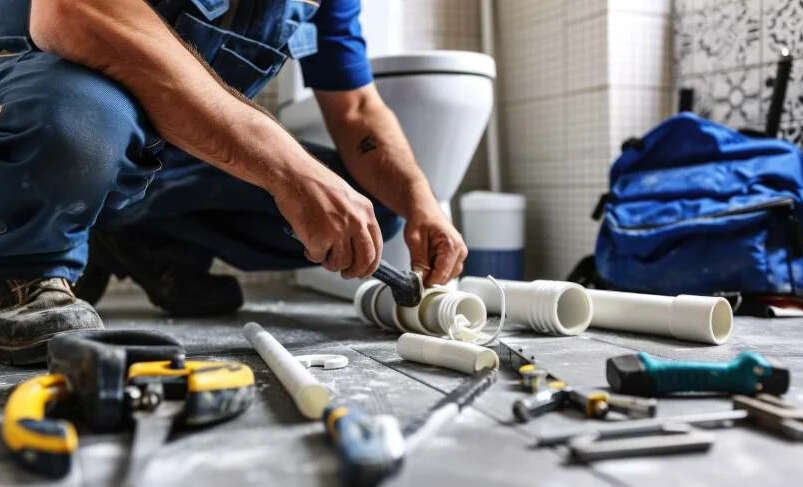

Plumbing problems can start with something as simple as a dripping faucet, slow drain, or small leak under the sink. Left untreated, however, these issues can turn into water damage, low water pressure, or a much more disruptive repair. Knowing when a problem needs professional attention can save homeowners time and prevent avoidable damage.
Surrey homes deal with a wide range of plumbing systems, from older properties with aging pipes to newer homes with modern fixtures and appliances. Seasonal temperature changes, heavy rainfall, blocked drains, worn fittings, and everyday household use can all contribute to plumbing problems. A little knowledge about common issues and the repair process can make it easier to choose the right solution.
Common Plumbing Problems Surrey Homeowners Face
Many plumbing problems develop gradually. A small change in water pressure or drainage may be easy to overlook until the problem becomes more noticeable.
Common issues include:
- Leaking faucets and pipes
- Slow or blocked drains
- Running or overflowing toilets
- Low water pressure
- No hot water
- Leaking water heaters
- Damaged supply lines
- Sewer or drainage problems
- Water pooling around fixtures
Aging components are one common cause. Washers, seals, valves, hoses, and connections can wear out with regular use. Mineral buildup can also affect faucets, showerheads, and other plumbing fixtures.
In some situations, homeowners may only need a small repair. In others, the visible problem can be a symptom of something deeper inside the plumbing system. This is why proper diagnosis matters before replacing parts or attempting a repair.
Why Plumbing Problems Can Get Worse
Water damage rarely stays limited to the original source. A small leak beneath a sink can damage cabinets and flooring. A hidden pipe leak can affect drywall and insulation before the homeowner notices visible moisture.
Drain problems can also become more serious when they are repeatedly treated with temporary solutions. If a drain continues to slow down after cleaning, there may be a deeper blockage or another underlying issue.
Surrey’s wet climate can make moisture-related problems particularly frustrating. While freezing temperatures are less common than in many Canadian regions, exposed plumbing can still be affected during colder periods.
Addressing problems early gives homeowners more options. A small repair is usually easier to manage than dealing with extensive water damage after a major failure.
What Happens During a Professional Plumbing Visit?
A professional visit generally begins with an inspection. The technician discusses the symptoms with the homeowner and examines the affected fixtures, pipes, valves, and connections.
The process may include:
- Reviewing the plumbing problem and its history.
- Inspecting visible components.
- Testing water pressure or drainage where necessary.
- Locating the source of a leak or blockage.
- Determining whether additional components are affected.
- Explaining the recommended repair.
- Replacing damaged parts after approval.
- Testing the system after the work is completed.
- Cleaning the immediate work area.
The exact process depends on the problem. A blocked sink may require a different approach from a leaking water heater or damaged supply pipe.
Homeowners should also ask whether the technician will explain the cause of the problem rather than simply replacing a part. Understanding the cause can help prevent the same issue from returning.
How Much Can Plumbing Repairs Cost?
There is no single price for plumbing work because every repair is different. A simple fixture repair can require much less time and material than a concealed pipe replacement or major drainage problem.
The final cost can depend on:
- Type of plumbing problem
- Labour time
- Replacement parts
- Accessibility
- Age and condition of existing plumbing
- Complexity of the repair
- Specialized equipment
- Emergency or after-hours scheduling
- Required permits for certain projects
Before approving major work, homeowners should ask for a clear explanation of what is included. If additional problems are discovered during the repair, the contractor should explain the recommended work before proceeding whenever the situation allows.
This is especially useful for homeowners comparing plumbers surrey bc, because two estimates may look different while covering different levels of service, materials, or warranty protection.
Warning Signs You Should Not Ignore
Some plumbing problems provide clear warning signs before becoming emergencies.
Keep an eye out for:
- Water stains on ceilings or walls
- Damp areas beneath sinks
- Repeatedly clogged drains
- Sudden changes in water pressure
- Toilets that frequently run or overflow
- Unusual pipe noises
- Musty smells near plumbing fixtures
- Water collecting around appliances
- Unexpected increases in water usage
A recurring issue deserves attention even if the plumbing still works. For example, a drain that becomes blocked every few weeks may have an underlying restriction that a basic drain cleaner cannot solve.
If water is spreading quickly, reaching electrical equipment, or causing significant flooding, homeowners should prioritize safety and shut off the water supply if they can do so safely.
Simple Things Homeowners Can Do Before Calling a Plumber
Not every plumbing problem requires immediate professional service. There are several basic checks homeowners can perform safely.
For minor issues, consider:
- Checking visible supply connections for leaks.
- Cleaning a faucet aerator if water flow has decreased.
- Removing debris from a drain strainer.
- Checking whether a fixture’s shutoff valve is fully open.
- Locating the home’s main water shutoff valve.
- Inspecting flexible hoses for visible cracks or damage.
Avoid taking apart plumbing components if you are unsure how they work. A small mistake can turn a manageable leak into a larger one.
For example, forcing a stuck valve or overtightening a connection can damage the component. Electrical and gas-related equipment should also be handled by qualified professionals.
Choosing Between DIY and Professional Plumbing Help
DIY plumbing has one clear advantage: homeowners can sometimes solve simple problems quickly and without a service visit. Basic maintenance, cleaning, and replacing easily accessible components may be reasonable for someone with the right knowledge.
The limitations become more obvious when the problem involves concealed pipes, water heaters, drainage systems, pressure issues, or extensive leaks.
Professional help can provide:
- Proper diagnosis
- Appropriate tools and equipment
- Experience with different plumbing systems
- Safer handling of complex repairs
- Help identifying underlying problems
- Advice about suitable replacement parts
Homeowners researching plumbers surrey should compare more than availability. Look at experience, customer feedback, communication, warranties, and the type of plumbing work the company regularly handles.
For example, DS Appliance Rescue should only be considered for services it actually provides, rather than assuming an appliance repair company is automatically qualified for every type of plumbing project.
How to Prepare Before Hiring a Plumbing Company
A little preparation can make a plumbing appointment more efficient.
Before calling, note:
- What happened and when it started.
- Whether the problem is constant or occasional.
- Which fixtures are affected.
- Whether water is leaking or pooling.
- Any unusual sounds or smells.
- Previous repairs related to the same issue.
- The make and model of relevant equipment, if applicable.
Take clear photos of visible leaks or damaged areas. This can help the technician understand the situation before arriving.
It is also worth asking about service-call fees, warranties, expected arrival times, and whether the estimate includes labour and parts.
Final Thoughts
Good plumbing maintenance is about more than fixing problems after they happen. Paying attention to leaks, drainage changes, water pressure, unusual sounds, and moisture can help Surrey homeowners identify problems before they become expensive emergencies.
When a repair is beyond basic maintenance, professional diagnosis can help determine whether a component should be repaired, replaced, or monitored. Choosing a qualified contractor based on experience and clear communication can also make the repair process much easier.