

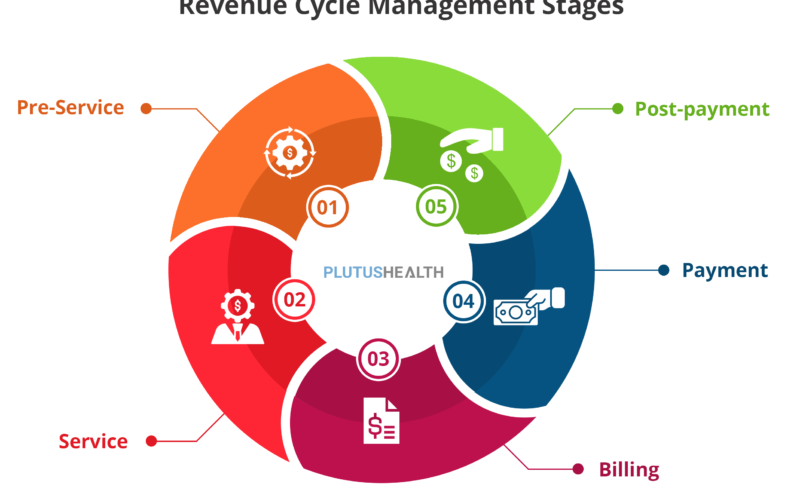

Running a healthcare practice successfully requires more than providing excellent patient care. Behind every appointment procedure and treatment is a complex financial process that determines how efficiently a provider gets paid. From verifying insurance eligibility to submitting claims posting payments managing denials and following up on outstanding balances every step matters. This is why medical revenue cycle management services have become an important part of modern healthcare administration.
A well-managed revenue cycle can help medical practices improve billing efficiency reduce administrative pressure minimize avoidable claim problems and maintain healthier cash flow. Instead of allowing billing responsibilities to become a distraction healthcare providers can rely on experienced revenue cycle professionals to manage the financial side of their operations.
What Is Revenue Cycle Management?
Revenue cycle management often called RCM refers to the financial process that begins when a patient schedules an appointment and continues until the healthcare provider receives full payment for the services provided.
Although it may sound straightforward the revenue cycle includes many connected steps. Patient registration insurance verification coding charge capture claim submission payment posting denial management accounts receivable follow-up and patient billing all play a role.
If one part of the process is not handled correctly it can affect everything that follows. For example incorrect patient information may result in a claim denial. A coding error can delay reimbursement. An unresolved denial can increase accounts receivable and affect cash flow.
This is why having a coordinated revenue cycle process is so important.
Why Medical Practices Need Effective RCM
Healthcare providers have enough responsibilities without spending excessive amounts of time tracking claims and chasing insurance payments. Physicians and clinical staff need to focus on patient care while practice administrators must manage employees scheduling compliance and daily operations.
Billing problems can create unnecessary stress for everyone involved. When claims are delayed or denied staff members may have to spend hours contacting insurance companies correcting information submitting appeals and following up on outstanding balances.
Professional revenue cycle management can help organize these tasks and create a more consistent billing workflow. The goal is not simply to send claims but to ensure that every stage of the revenue cycle is managed properly.
Key Components of Medical Revenue Cycle Management
Effective RCM involves several important services working together.
Patient Registration and Insurance Verification
The revenue cycle begins before a claim is ever submitted. Accurate patient registration and insurance verification help ensure that the practice has the correct information from the beginning.
Verifying eligibility can help identify coverage issues before services are provided. This may reduce certain preventable claim denials and help patients understand their financial responsibilities.
Medical Coding and Charge Capture
Accurate coding is another essential part of the revenue cycle. Medical coders translate clinical services and diagnoses into standardized codes used for billing.
Errors in coding can lead to claim delays denials or inaccurate reimbursement. Proper charge capture helps ensure that all eligible services are recorded and submitted appropriately.
Claim Submission
Once patient information coding and charges have been reviewed claims can be submitted to insurance companies.
Clean and accurate claims are more likely to move through the payer’s processing system without unnecessary delays. A professional billing team can review claims for potential issues and ensure they are submitted according to payer requirements.
Payment Posting
Payment posting involves recording insurance payments adjustments and patient payments in the practice’s billing system.
Accurate payment posting is important because it gives healthcare providers a clear picture of what has been paid and what remains outstanding. It also helps identify underpayments outstanding balances and potential billing discrepancies.
Denial Management
Claim denials can significantly affect revenue. When an insurance company refuses to pay a claim billing professionals need to determine why and decide what action should be taken.
Denial management may involve correcting claims submitting additional documentation appealing payer decisions and following up on outstanding balances.
More importantly denial data can help practices identify recurring problems. If the same type of denial continues to occur the practice can investigate the underlying cause and improve its billing procedures.
Accounts Receivable Management
Accounts receivable or A/R represents money that is still owed to the healthcare provider. Effective A/R management involves monitoring outstanding balances and following up on unpaid claims and patient accounts.
Without consistent follow-up older balances can become increasingly difficult to collect. Professional A/R management helps keep outstanding claims moving toward resolution and supports healthier cash flow.
Benefits of Outsourcing Revenue Cycle Management
Managing the entire revenue cycle internally can require significant time and resources. Practices need trained staff billing technology payer knowledge and ongoing oversight.
Outsourcing medical revenue cycle management services can provide access to experienced billing professionals without requiring a practice to build a large internal billing department.
One major benefit is reduced administrative workload. Instead of spending valuable time handling billing issues practice staff can focus on patient services and core operations.
Outsourcing can also provide greater consistency. A professional billing team follows established workflows for claims payments denials and accounts receivable helping reduce the risk of outstanding tasks being overlooked.
Improving Cash Flow Through Better Billing
Cash flow is critical for every healthcare practice. Providers need reliable revenue to pay employees maintain facilities purchase equipment invest in technology and continue delivering quality patient care.
Revenue cycle management can support cash flow by helping practices submit accurate claims address denials quickly follow up on unpaid accounts and identify billing issues.
The objective is not simply to increase the number of claims submitted. It is to create a process that moves claims efficiently from the initial patient encounter through final payment.
The Role of Technology in RCM
Technology has transformed medical billing. Modern systems can help healthcare organizations manage patient information submit electronic claims track claim status post payments and monitor accounts receivable.
However technology alone cannot solve every billing challenge. Experienced professionals are still needed to interpret payer requirements investigate denials review documentation and communicate with insurance companies.
The most effective approach combines technology with human expertise. Automated tools can improve efficiency while trained billing specialists handle situations that require careful judgment and attention to detail.
Why Transparency Matters
Healthcare providers should understand how their revenue cycle is performing. A good billing partner should provide meaningful reports and communicate important financial trends.
Reports may include information about claim volume denial rates accounts receivable payments outstanding balances and other key performance indicators.
This information can help practice owners identify strengths and weaknesses in their billing process. Instead of making financial decisions based on assumptions administrators can use actual billing data to determine where improvements may be needed.
How CNC Medical Billing Can Help
CNC Medical Billing provides revenue cycle management solutions designed to help healthcare providers manage their billing operations more efficiently. Its approach covers important areas of the revenue cycle including charge capture medical coding claim submission payment posting denial management accounts receivable and financial reporting.
By bringing these services together CNC Medical Billing can help practices create a more organized financial workflow. The team can work to identify billing challenges improve claim processing and support providers in managing outstanding revenue.
This can be especially valuable for healthcare organizations that do not have the time or resources to manage every part of the revenue cycle internally.
Choosing the Right RCM Partner
Choosing a revenue cycle management company is an important decision. Healthcare providers should consider experience communication technology reporting scalability and knowledge of insurance payer requirements.
The right partner should understand that every medical practice is different. Specialty patient volume payer mix billing complexity and practice size can all affect the revenue cycle.
A reliable RCM company should take the time to understand these factors and create processes that fit the practice’s specific needs.
Conclusion
Medical revenue cycle management services can play a significant role in helping healthcare practices improve financial efficiency and reduce the administrative burden associated with billing. From patient registration and insurance verification to coding claim submission payment posting denial management and accounts receivable follow-up every part of the revenue cycle contributes to a practice’s financial performance.
A proactive and organized RCM strategy can help reduce avoidable billing problems improve cash flow and provide healthcare providers with greater visibility into their financial operations.
CNC Medical Billing offers professional revenue cycle management support designed to help healthcare practices manage these responsibilities more effectively. By combining billing expertise organized processes and technology practices can spend less time worrying about unresolved claims and more time focusing on patient care.
If your practice is struggling with delayed payments growing accounts receivable frequent denials or an overloaded billing team professional revenue cycle support may be the solution. A stronger revenue cycle can provide the financial foundation your practice needs to operate efficiently grow confidently and continue delivering quality healthcare.