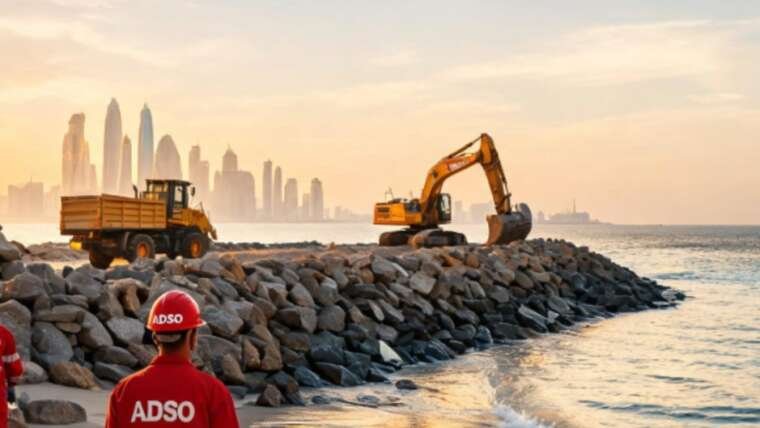


Marine construction and coastal development require careful planning, specialized equipment, and experienced teams. One of the most important activities in many marine projects is dredging, which involves removing sediment, sand, silt, or other underwater materials to achieve the required depth or prepare an area for construction. Dredging services are commonly used for ports, harbors, marinas, navigation channels, reclamation projects, offshore infrastructure, and coastal developments.
In the UAE, dredging plays an important role in maintaining and developing marine infrastructure. Abu Dhabi Maritime guidance identifies general, navigation, construction or reclamation, and project-specific dredging as different types of dredging operations in the emirate’s waters. These activities can support navigation, marine construction, land development, beach restoration, and other infrastructure requirements.
What Are Dredging Services?
Dredging is the process of excavating and removing material from the seabed, riverbed, canal, marina, or another underwater environment. The material may include accumulated silt, sand, gravel, clay, or other sediments. Depending on the project, the removed material may be transported, treated, placed for reclamation, or managed according to applicable environmental requirements.
The purpose of dredging depends on the project’s objectives. A navigation channel may need to be deepened so vessels can move safely, while a new marina may require excavation to create sufficient water depth. Construction projects may also require seabed preparation before foundations, pipelines, marine structures, or other infrastructure can be installed.
Dredging can be carried out using different types of equipment depending on water depth, seabed conditions, project size, and required excavation profile. Cutter suction dredgers, backhoe dredgers, and barge-based equipment are among the equipment types used for different applications.
Professional dredging therefore involves more than simply removing underwater material. It requires surveys, planning, equipment selection, marine coordination, environmental controls, and careful execution to meet the project’s required depth and specifications.
Common Types of Dredging Projects
Maintenance dredging is commonly carried out in existing waterways, ports, marinas, and channels where sediment gradually accumulates over time. Regular sediment buildup can reduce available water depth and affect vessel access. Removing accumulated material can help maintain the required operational conditions for marine facilities.
Navigation dredging is used to create, extend, or deepen navigation channels, harbors, basins, and other marine facilities. Abu Dhabi’s maritime guidance specifically recognizes navigation dredging as an activity used for developing and maintaining marine infrastructure.
Construction and reclamation dredging can support major development projects. Dredged materials such as suitable sand or other fill materials may be used in reclamation and land development where permitted. Large marine developments can involve both dredging and reclamation as part of the same overall project.
Pipeline trench dredging is another specialized application. Offshore pipelines and subsea utilities may require accurately prepared trenches to provide the necessary route and depth for installation. The required approach depends on the seabed, pipeline design, water depth, and technical specifications of the project.
Dredging for Ports, Marinas, and Coastal Development
Ports and harbors depend on suitable water depths for vessel movement and marine operations. Sediment can accumulate naturally in these areas, potentially affecting navigation and access. Dredging can help maintain channels, berthing areas, and other underwater zones according to project requirements.
Marinas can also require dredging during both construction and maintenance stages. New marina developments may require excavation to create suitable basins and channels, while existing facilities may need periodic de-silting. These activities need to be carefully planned around vessel movements and existing marine infrastructure.
Coastal development projects may involve dredging alongside reclamation, beach construction, shoreline protection, and other marine works. UAE marine contractors commonly provide integrated dredging and reclamation services for these types of projects.
Beach nourishment is another application connected with dredging and coastal management. Suitable sand can be excavated, transported, and placed in designated areas to support beach restoration or maintenance where the project and environmental approvals allow it. Such work requires careful planning and monitoring to achieve the intended result.
Importance of Equipment and Technical Expertise
Every dredging project presents different technical conditions. Water depth, seabed composition, access, required excavation volume, environmental conditions, and project deadlines can all influence the equipment selected for the work. Choosing equipment that matches the site can improve efficiency and help achieve the required excavation profile.
Cutter suction dredgers, for example, can be used for specific excavation requirements, while barge-mounted cranes or backhoe dredgers may be suitable for other marine conditions. Some UAE marine contractors list both cutter suction dredging and barge-based dredging among their capabilities.
Hydrographic and bathymetric surveys are also valuable before and after dredging. Surveys can help establish existing seabed levels, identify areas requiring excavation, and verify the final results. This provides project teams with measurable information rather than relying only on visual assessment.
Experienced personnel are equally important. Marine projects involve changing water conditions, vessel movements, equipment limitations, and safety considerations. Skilled operators, engineers, surveyors, and project managers can work together to maintain better control throughout the operation.
Environmental and Safety Considerations
Dredging takes place in sensitive marine environments, so environmental management should be an important part of project planning. The movement of sediment can affect water clarity and surrounding marine areas if operations are not properly controlled. Appropriate environmental measures should therefore be considered according to the project’s location and regulatory requirements.
In Abu Dhabi, dredging activities are subject to environmental impact assessment requirements concerning where sediments are removed and where they are placed or disposed of. The applicable maritime guidance also states that an operation permit is required before dredging activities in the emirate’s waters, with additional requirements depending on the project.
Environmental monitoring can help project teams identify and manage potential impacts during dredging. Depending on the project, measures may include monitoring water quality, managing sediment movement, protecting sensitive areas, and following approved disposal or reclamation procedures. Marine environmental specialists may also be involved in surveys and monitoring.
Safety is another essential consideration. Dredging operations involve heavy marine equipment, vessels, underwater work areas, and interaction with other marine activities. Proper risk assessment, equipment inspection, communication procedures, and trained personnel can help support safer project execution.
Choosing the Right Dredging Service Provider
Selecting a dredging contractor should begin with understanding the project’s specific requirements. Businesses and developers should consider the required excavation volume, water depth, seabed conditions, project location, timeline, and intended use of the dredged material. These details can help determine the most appropriate dredging method.
Experience with similar projects is also valuable. A contractor familiar with marine construction, port development, reclamation, or maintenance dredging may be better positioned to anticipate common operational challenges. Relevant experience can also help with equipment selection and project planning.
Businesses should also consider whether the contractor has suitable equipment and qualified personnel. A well-equipped contractor can adapt its approach to different site conditions and project requirements. Clear communication about equipment, schedules, environmental controls, and deliverables can help establish realistic expectations.
Finally, regulatory compliance should not be overlooked. Dredging projects may require permits, environmental approvals, surveys, and coordination with relevant authorities. Working with a contractor that understands these requirements can help make the planning and execution process more organized.
Conclusion
Professional dredging services support a wide range of marine and coastal activities, from maintaining navigation channels and marinas to preparing seabeds for infrastructure and supporting reclamation projects. Successful dredging depends on appropriate equipment, accurate surveys, experienced personnel, effective planning, and responsible environmental management.
For businesses planning a marine project, choosing the right dredging contractor is an important decision. Factors such as technical capability, equipment availability, relevant experience, safety procedures, environmental practices, and regulatory knowledge should all be considered before work begins.
With proper preparation and professional execution, dredging can help maintain marine access, prepare construction sites, support coastal development, and improve the long-term functionality of marine infrastructure. As coastal and offshore development continues, well-planned dredging remains an important part of modern marine construction and infrastructure projects.