
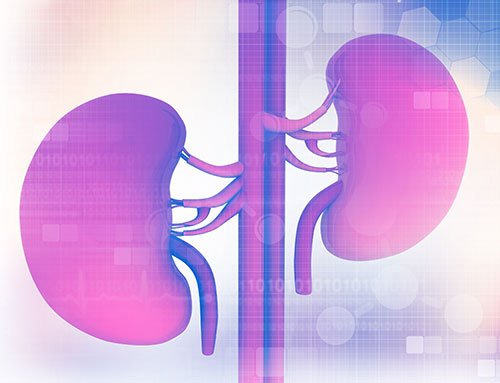

Kidney stones can range from tiny crystals that pass naturally to larger stones that cause severe pain and require medical treatment. Understanding when Kidney stones can pass on their own and when a procedure may be necessary can help patients seek the right care at the right time.
Can Kidney Stones Pass Naturally?
Yes, some small kidney stones can pass naturally through the urinary tract. The likelihood depends on factors such as the stone’s size, location, shape, and whether it is blocking urine flow.
Very small stones, particularly those around 2–5 mm, may pass without a surgical procedure. Doctors may recommend watchful waiting, along with appropriate hydration, lifestyle changes, pain management, and regular follow-up.
However, patients should not assume that every stone will pass naturally. Medical evaluation can determine whether observation is appropriate.
When Is Medical Treatment Needed?
Treatment may be recommended when a stone is unlikely to pass, causes persistent or severe symptoms, blocks urine flow, leads to complications, or does not move despite observation.
A urologist may use imaging and other investigations to assess the stone’s size and position before deciding on treatment.
Medical Expulsive Therapy (MET)
For selected patients, medicines may be prescribed to help facilitate the passage of a ureteric stone. This approach is generally considered when the stone and patient’s condition are suitable for conservative treatment.
When Is Surgery or a Procedure Needed?
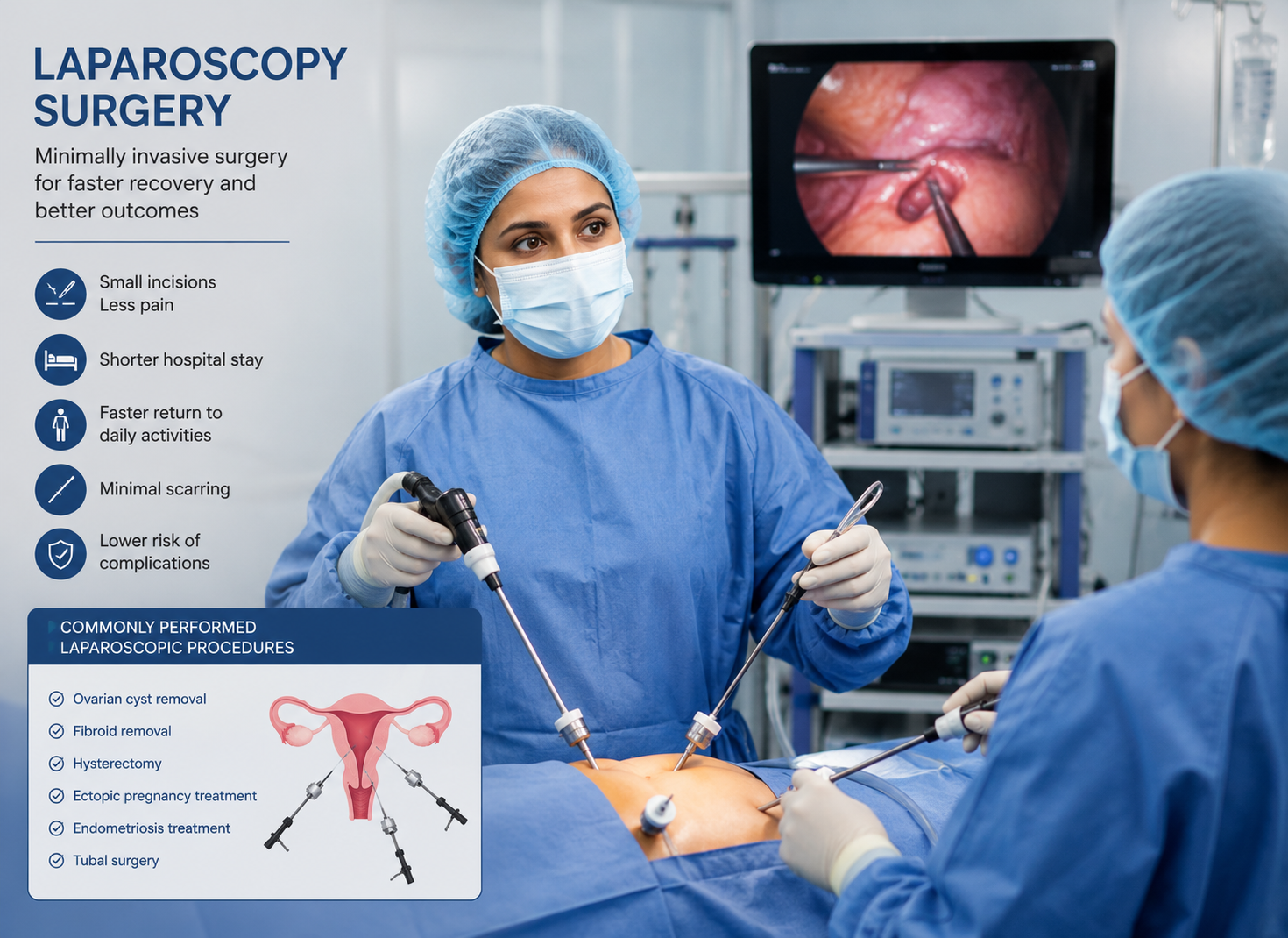
Larger or difficult-to-pass stones may require an intervention. Modern Kidney stones treatment options in India include minimally invasive procedures such as:
RIRS
Retrograde Intrarenal Surgery (RIRS) uses a flexible scope passed through the urinary tract to reach and treat stones inside the kidney. It can be suitable for selected kidney stones without making an external incision.
Ureteroscopy
During ureteroscopy, a small scope is passed through the urinary tract to locate and treat a stone in the ureter. The stone may be removed or fragmented depending on its size and location.
PCNL
Percutaneous Nephrolithotomy (PCNL) is commonly considered for larger or complex kidney stones. The procedure provides direct access to the kidney through a small opening in the skin.
Mini-Micro-Perc
Mini-Micro-Perc is a smaller-access form of percutaneous stone treatment that may be considered for selected kidney stones. The appropriate procedure depends on the individual patient’s stone characteristics.
What Happens After Kidney Stone Treatment?
Treatment does not always prevent future stones. Patients with recurrent stones may need a metabolic evaluation to identify possible risk factors. This can include medical history, dietary assessment, blood tests, urinalysis, stone composition analysis, and, in selected cases, a 24-hour urine test.
Maintaining adequate fluid intake, eating a balanced diet, limiting excessive salt, and following personalized medical advice can help reduce the risk of recurrence.
Frequently Asked Questions:
1. Can a 5 mm kidney stone pass naturally?
A small stone such as a 5 mm stone may pass naturally, but passage depends on its location, shape, and the individual’s urinary tract. A urologist can assess whether watchful waiting is appropriate.
2. Do all kidney stones require surgery?
No. Small, uncomplicated stones may pass naturally. Surgery or another procedure may be needed when stones are large, obstructive, persistent, symptomatic, or associated with complications.
3. What is RIRS for kidney stones?
RIRS is a minimally invasive procedure in which a flexible scope is used to reach stones inside the kidney and treat them, usually without an external incision.
4. When should I see a urologist?
Seek medical evaluation for severe or persistent pain, blood in the urine, repeated vomiting, difficulty urinating, fever, or recurring kidney stone symptoms.
The best Kidney stones treatment depends on the stone’s size, location, symptoms, and the patient’s overall health. While some small stones can pass naturally, larger or complicated stones may require minimally invasive treatment such as RIRS, ureteroscopy, PCNL, or Mini-Micro-Perc. A urologist can recommend the safest and most appropriate approach after proper evaluation.