

Anemia is a common blood-related condition that can affect the body’s ability to transport oxygen efficiently. Because its symptoms can develop gradually, some people may not immediately recognize that changes in their energy, concentration, or physical stamina could be related to low hemoglobin levels.
Understanding the possible signs of anemia can encourage people to discuss persistent or unexplained symptoms with a healthcare professional. For individuals searching for Anemia Dubai, a medical assessment can help determine whether symptoms may be associated with anemia and whether laboratory testing is appropriate.
Dr. Barbara can evaluate a patient’s symptoms, medical history, lifestyle, and relevant health factors before recommending appropriate investigations. A structured assessment can help distinguish possible anemia-related symptoms from other conditions that may produce similar complaints.
What Is Anemia?
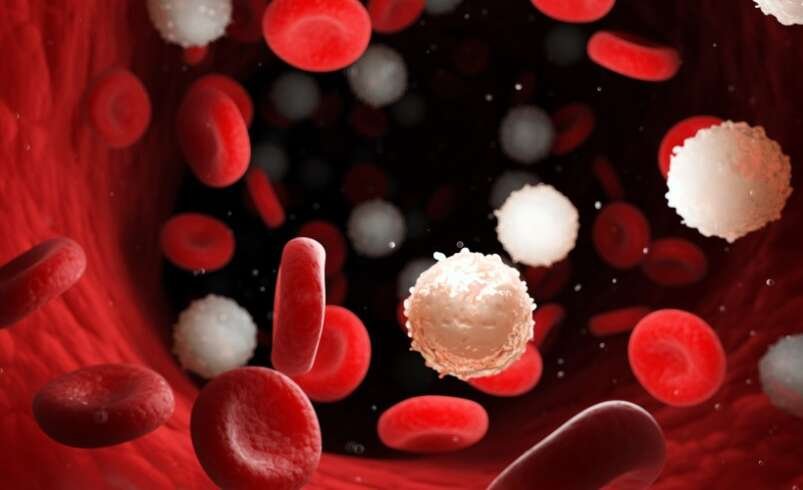
Anemia occurs when the blood does not have enough healthy red blood cells or hemoglobin to adequately transport oxygen to the body’s tissues.
Hemoglobin is a protein found inside red blood cells. It binds with oxygen in the lungs and helps transport it throughout the body. When hemoglobin levels are lower than expected, the amount of oxygen delivered to tissues may be affected.
Anemia is not a single condition with one cause. It can occur for different reasons, including inadequate iron, vitamin deficiencies, blood loss, chronic health conditions, or problems affecting red blood cell production.
Because the underlying cause matters, identifying symptoms is only the first step. Blood tests and a medical assessment may be needed to understand what is contributing to the low hemoglobin level.
What Symptoms May Suggest Low Hemoglobin?
Symptoms of anemia can vary depending on its severity, how quickly it develops, and the underlying cause.
Common symptoms may include:
- Persistent tiredness
- Reduced energy
- Weakness
- Shortness of breath during activity
- Dizziness or light-headedness
- Headaches
- Difficulty concentrating
- Pale-looking skin
- Feeling unusually cold
- Reduced exercise tolerance
- Increased awareness of the heartbeat
Not everyone with anemia experiences the same symptoms. Some people may have relatively mild symptoms, while others may notice several changes in their everyday functioning.
For this reason, persistent symptoms should be discussed with a healthcare professional rather than being attributed automatically to anemia.
Why Can Tiredness Be Associated With Anemia?
Fatigue is one of the symptoms commonly associated with anemia.
When hemoglobin levels are low, oxygen delivery to tissues can be affected. This may contribute to feelings of reduced energy or tiredness, particularly during physical activity.
However, fatigue has many possible causes. Poor sleep, stress, nutritional issues, infections, thyroid disorders, and other health conditions can also contribute to persistent tiredness.
A medical assessment can help determine whether low hemoglobin may be involved.
Can Weakness Be a Sign of Low Hemoglobin?
Some people with anemia describe general weakness or reduced physical stamina.
Activities that were previously manageable may begin to feel more demanding. This can be particularly noticeable during exercise, climbing stairs, or prolonged physical activity.
Weakness alone does not confirm anemia. A doctor may consider the symptom alongside other findings and, when appropriate, request a complete blood count to evaluate hemoglobin and other blood measurements.
Can Anemia Cause Shortness of Breath?
Shortness of breath may occur when oxygen delivery is reduced and the body attempts to meet its oxygen requirements.
Some people may notice breathlessness particularly during physical activity. Walking quickly, exercising, or climbing stairs may feel more difficult than usual.
Shortness of breath can have many causes, so it should not automatically be interpreted as anemia. A healthcare professional can assess the symptom in context and determine whether further evaluation is needed.
Can Dizziness or Light-Headedness Be Related to Anemia?
Dizziness or light-headedness can occur in people with anemia, although these symptoms are not specific to low hemoglobin.
Changes in blood pressure, dehydration, blood sugar levels, medication effects, and several other conditions can also cause dizziness.
If dizziness occurs repeatedly, discussing it with a doctor can help identify the underlying reason.
Can Headaches Be Associated With Anemia?
Some individuals with anemia may experience headaches.
Reduced oxygen delivery can contribute to changes that may be associated with headaches, but headaches have numerous possible causes. Sleep patterns, dehydration, stress, eyesight problems, migraines, and other health conditions can also be involved.
When headaches occur together with fatigue, weakness, dizziness, or other symptoms, a medical evaluation may help determine whether anemia should be considered.
Why Might Someone Feel Cold More Often?
People with anemia sometimes report feeling unusually cold, particularly in their hands and feet.
Changes in circulation and oxygen delivery may contribute to this sensation. However, feeling cold can also be influenced by environmental temperature, body composition, thyroid function, circulation, and other factors.
If the symptom is persistent or occurs alongside other changes in health, it can be discussed during a medical consultation.
Can Anemia Affect Concentration?
Low energy and reduced oxygen delivery may contribute to difficulty concentrating in some individuals.
A person may notice that maintaining focus at work, studying, or completing everyday tasks feels more difficult than usual.
Concentration problems can also result from inadequate sleep, stress, nutritional factors, medication, and other conditions. Therefore, a comprehensive assessment can help identify possible contributing factors.
Can Skin Color Change With Anemia?
Paler-than-usual skin may occur with certain types of anemia.
The change may be easier to notice in areas such as the face, lips, inside of the lower eyelids, or nail beds. However, natural skin tone and other health factors can influence how changes in color appear.
A visual change alone cannot establish anemia. Laboratory testing is generally needed to determine hemoglobin levels.
What Causes Low Hemoglobin?
There are several potential causes of anemia.
Iron deficiency is one of the most common causes and can develop when the body does not have enough iron to produce adequate hemoglobin. Other nutritional deficiencies, including deficiencies involving vitamin B12 or folate, may also contribute.
Blood loss can be another factor. In some individuals, blood loss may be obvious, while in others it may be less noticeable.
Certain chronic medical conditions can also affect red blood cell production or hemoglobin levels.
Because the causes vary, identifying the reason for anemia is an important part of appropriate management.
How Is Anemia Diagnosed?
A medical evaluation generally begins with a discussion of symptoms and health history.
A complete blood count, commonly called a CBC, can provide information about hemoglobin, red blood cell count, hematocrit, and other blood measurements.
Depending on the initial findings, additional laboratory tests may be considered. These may include measurements related to iron stores, vitamin levels, kidney function, or other relevant factors.
The appropriate testing depends on the individual patient’s symptoms and medical history.
Why Is Iron Testing Sometimes Recommended?
Iron deficiency is an important cause of anemia, so doctors may assess iron status when appropriate.
Tests can include measurements such as ferritin and other indicators of iron availability and storage.
Low iron levels can occur for different reasons, including insufficient dietary intake, increased nutritional requirements, or blood loss. Therefore, identifying low iron is not necessarily the end of the evaluation.
The doctor can determine which additional assessment may be appropriate based on the patient’s circumstances.
Can Diet Influence Hemoglobin Levels?
Nutrition plays an important role in the production of healthy red blood cells.
Iron-rich foods can include lean meats, seafood, beans, lentils, leafy green vegetables, and fortified foods. Vitamin B12 and folate are also important nutrients involved in blood cell production.
However, dietary recommendations should be based on the individual’s nutritional needs and the underlying reason for low hemoglobin.
If laboratory testing confirms a nutritional deficiency, a healthcare professional can discuss suitable dietary strategies or supplementation when appropriate.
When Should You Discuss Symptoms With a Doctor?
Persistent or unexplained symptoms such as fatigue, weakness, dizziness, reduced exercise tolerance, or difficulty concentrating should be discussed with a healthcare professional.
It is particularly useful to mention when symptoms began, whether they are becoming more noticeable, and whether several symptoms are occurring together.
Providing information about diet, medications, previous medical conditions, menstrual history where relevant, and previous laboratory results can also help the doctor understand the broader picture.
How Does Dr. Barbara Assess Possible Anemia?
For individuals looking for Anemia Dubai, Dr. Barbara can begin with a detailed discussion of symptoms and relevant medical history.
The assessment may consider energy levels, dietary habits, previous blood results, medications, general health, and other factors that could be relevant to hemoglobin levels.
If anemia is suspected, laboratory investigations can be considered to determine whether hemoglobin is below the expected range and to investigate possible contributing factors.
The assessment can then be used to guide appropriate follow-up and health management based on the patient’s individual findings.
Why Is Finding the Underlying Cause Important?
Identifying anemia is important, but understanding why it has developed is equally relevant.
For example, anemia caused by iron deficiency may require a different approach from anemia associated with vitamin B12 deficiency or an underlying chronic condition.
Simply identifying a low hemoglobin level does not always explain the complete picture. Additional information from medical history and laboratory testing may be needed.
A doctor can use this information to determine which areas require further attention.
Conclusion
Anemia can produce a range of symptoms, including tiredness, weakness, reduced stamina, dizziness, headaches, shortness of breath during activity, difficulty concentrating, and feeling unusually cold. However, these symptoms can also occur with many other health conditions, so they should not be used alone to determine whether someone has low hemoglobin.
For people searching for Anemia Dubai, a medical assessment can provide a structured way to investigate persistent or unexplained symptoms. Blood testing, including a complete blood count and other investigations when appropriate, can help determine whether anemia is present and provide information about its possible cause.
Dr. Barbara can assess symptoms, medical history, lifestyle factors, and relevant laboratory findings to help patients understand their health information and determine appropriate next steps. Recognizing persistent changes and discussing them with a healthcare professional can be an important part of maintaining overall health.
Frequently Asked Questions
What are the most common symptoms of anemia?
Common symptoms can include tiredness, weakness, reduced physical stamina, dizziness, headaches, shortness of breath during activity, difficulty concentrating, pale-looking skin, and feeling unusually cold.
Can fatigue be caused by low hemoglobin?
Yes. Low hemoglobin can affect oxygen delivery to tissues and may contribute to fatigue or reduced energy. However, fatigue has many possible causes and requires appropriate assessment.
How do I know if my hemoglobin is low?
A blood test, particularly a complete blood count, can measure hemoglobin levels. A doctor can interpret the result alongside other blood measurements and your health history.
Can anemia cause dizziness?
Dizziness or light-headedness can occur with anemia, although these symptoms can also have many other causes. Repeated dizziness should be discussed with a healthcare professional.
Can anemia cause shortness of breath?
Some people with anemia may experience shortness of breath, particularly during physical activity. A doctor can determine whether anemia or another condition may be contributing to the symptom.
Does anemia always cause visible symptoms?
No. Some people may have few noticeable symptoms, particularly when anemia develops gradually. Laboratory testing may identify low hemoglobin even when symptoms are subtle.
What blood test is used to check for anemia?
A complete blood count is commonly used to evaluate hemoglobin and red blood cell measurements. Additional tests may be recommended depending on the findings and suspected cause.
Can iron deficiency cause anemia?
Yes. Iron deficiency can reduce the body’s ability to produce adequate hemoglobin and is a common cause of anemia.
Can diet improve anemia?
Dietary changes may help when nutritional deficiencies contribute to anemia. The appropriate dietary approach depends on the specific cause and the individual’s nutritional requirements.
Should I take iron supplements if I feel tired?
It is better to discuss persistent fatigue with a healthcare professional before starting supplements. Testing can help determine whether iron deficiency is actually present and whether supplementation is appropriate.
Can anemia affect concentration?
Anemia may be associated with difficulty concentrating or reduced mental energy in some people. Sleep, stress, nutrition, and other health conditions can also affect concentration.
When should I see Dr. Barbara about possible anemia?
If you have persistent unexplained tiredness, weakness, dizziness, reduced stamina, headaches, or other symptoms associated with possible anemia, you can discuss them with Dr. Barbara. A medical assessment can determine whether blood testing or further evaluation is appropriate.