

Clothing Alterations London guide covering dress, suit and trouser alterations, typical costs, fitting steps, materials and how to choose a tailor.
A garment can look almost right yet still feel wrong when you wear it. A sleeve may sit too low, trousers may break badly over your shoes, or a dress may pull at the waist. Small changes can correct these problems without replacing the garment.
Clothing Alterations London services cover simple work such as hemming and waist changes through to more involved adjustments on jackets, coats, bridal wear and evening dresses. The right approach depends on the fabric, construction, stitching and amount of change needed.
London shoppers often buy from different brands and size systems. That makes alteration work useful for both everyday clothing and formal pieces. It can make an online purchase fit better, restore an older favourite or adjust a garment after a change in body shape.
WRAP reported that around 336,000 tonnes of unwanted clothing were discarded in the UK each year. Its research has long supported repair, reuse and longer garment use as ways to reduce clothing waste.
So, when should you alter a garment rather than replace it? The answer starts with the type of work required.
Common garment types and alteration options
The first step is to look at where the fit is failing. A good tailor checks the garment on the body rather than making changes from the size label alone.
Trousers commonly need hemming, waist adjustment or tapering. Jeans may need their original hem preserved. Jackets can require sleeve shortening, side-seam adjustment or changes around the back. Dresses may need work at the straps, waist, bust, hem or zip.
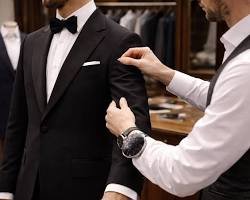
Formal clothing needs more care because the construction can be complex. A lined jacket, for example, may require the lining to be opened before the outer fabric can be changed. A working buttonhole on a suit sleeve can limit how much the sleeve can be shortened.
Fabric matters too. Wool, silk, linen, velvet, leather and delicate embellished fabrics respond differently to stitching and pressing. A tailor should check the material before deciding which method to use.
What about clothing bought online? Many garments can be altered after purchase, provided there is enough fabric and the construction allows the change. The key question is not simply whether a garment feels loose or tight. We need to know where the excess or shortage sits.
| Alteration type | Typical London price* | Best suited to | Main consideration |
| Trouser hem | £18–£30 | Trousers, jeans | Original finish |
| Trouser waist | £20–£40 | Trousers, formal wear | Available seam allowance |
| Dress adjustment | £25–£60+ | Dresses, skirts | Lining and shape |
| Jacket sleeve | £25–£65+ | Blazers, suits | Buttonhole position |
| Jacket body | £35–£75+ | Suits, jackets | Construction and balance |
| Specialist gown work | £65+ | Bridal, evening wear | Beading, layers and structure |
*Published London starting prices and ranges vary by provider and garment. Recent London price lists show trouser hems from about £18, waist changes from about £22, dress work from about £22–£35 and jacket sleeve work from about £25–£40.
One London example shows why assessment matters. A plain trouser hem can start below £20, yet preserving an original denim hem or working around a complex jacket sleeve can raise the price. The alteration itself may be simple, but the finish can require much more work.
How the fitting and alteration process works
A professional fitting normally starts with an inspection. We look at the garment, seams, lining, closures and fabric before deciding what can realistically change.
You may be asked to try the garment on with the shoes you normally wear. This matters for trousers, coats and dresses because length can look different depending on footwear.
The tailor then marks the proposed change. For a trouser hem, the mark shows the finished length. For a jacket, several points may need marking to keep the garment balanced.
Next comes the construction check. A tailor may open a seam, inspect the seam allowance and check whether existing stitching or decorative details can remain intact.
The work itself can involve cutting, removing stitches, moving seams, replacing thread, adjusting lining and pressing the garment. Some changes need a second fitting before final stitching.
The final stage is a quality check. We look at the hem, seams, symmetry, closures and overall fit. A good result should look natural rather than appear recently altered.
A named industry view supports the wider value of keeping clothing in use. Peter Maddox, former Director of WRAP, wrote that the UK needs to keep clothing materials in use for longer rather than allowing usable garments to become waste.
For BLANC Living, this same principle can apply when a garment needs a practical fit adjustment before it returns to regular wear. The focus should remain on the garment, its construction and the intended result rather than on changing it more than necessary.
What affects clothing alteration costs in London?
London prices vary because alteration work is rarely priced by garment type alone. The amount of sewing, the construction and the finish all affect the final figure.
A simple trouser hem may take little time. A jacket sleeve with working buttonholes can require more stages. A wedding dress with several layers, lace or beadwork may need a detailed inspection before anyone can give a firm price.
Current London price lists show this range clearly. One 2026 guide lists trouser hemming from £18, waist adjustment from £22, jacket sleeve shortening from £25 and full suit work from roughly £60–£120. Another London alterations provider lists formal dress work from £65 and wedding dress work from inspection.
The condition of the garment can affect the cost too. A weak seam, damaged lining or previous alteration may need repair before the new adjustment can be made.
Fabric can change the price. Fine wool, silk, velvet, cashmere and heavily decorated garments usually require slower handling than a basic cotton shirt.
The desired finish matters. Preserving an original jean hem, matching an existing stitch pattern or keeping a jacket’s working cuffs can require extra work.
The ONS recorded a 5.7% annual rate for repair and hire of clothing in 2025, showing that repair-related prices have changed over recent years.
Before approving work, ask what is included in the quoted price. Will the lining be adjusted? Will the original finish remain? Is another fitting included? These questions can prevent confusion later.
Choosing a tailor for clothing alterations in London
Choosing a tailor should start with the garment, not the lowest advertised price. A specialist who regularly handles formal dresses may be a better match for a beaded gown than a shop focused mainly on trouser hems.
Look at the type of work shown by the provider. Do they handle suits, dresses, coats, leather, bridal wear or delicate fabrics? Their experience should match your garment.
Ask how they assess the alteration. A proper fitting should identify the problem before fabric is cut. If a provider wants to cut immediately without checking the garment on the body, ask more questions first.
Check how the provider handles valuable or delicate pieces. You should know whether the garment is inspected, whether the work is recorded and whether you receive a quote before cutting begins.
Local location can matter in London. Someone in Marylebone may prefer a provider nearby, while a customer travelling from Chelsea, Kensington, Soho or the City may value collection and return services.
Companies like BLANC Living can be considered when you want a garment-care provider that works with clothing rather than relying on a general repair approach. A specialist garment service can assess the material, construction and required finish before work begins.
How do you compare a specialist with a general alterations shop? Look at the actual work they handle. A provider such as BLANC Living can have an advantage on garments that need cleaning and alteration considered together, whereas a general tailor may focus mainly on sewing changes.
London businesses that handle discarded textiles should understand their waste responsibilities. GOV.UK guidance explains that textiles become waste when they are discarded or cannot be used for their original purpose, with separate requirements applying to waste and reusable textiles.
For ordinary garment alterations, the main practical issue is not a building-style permit. The important regulatory point is how unwanted textile material is handled once it leaves the business. Businesses should follow the relevant waste duties rather than treating discarded garments as ordinary reusable stock.
A realistic example is a wool suit bought online. The shoulders fit, yet the trousers are too long and the jacket body feels loose. A tailor may shorten the trousers and adjust the side seams without changing the shoulder structure. That can solve the fit problem without rebuilding the jacket.
Frequently asked questions
How much do clothing alterations cost in London?
Simple work can start around £18–£25 for trouser hems. Waist adjustments often start around £20–£30, while jacket and dress work can move into higher ranges. Formal gowns, leather garments and complex jacket changes are often priced after inspection. The final price depends on fabric, construction, stitching and the amount of alteration required.
Where can I find clothing alterations near me in London?
Look for a provider that handles the same garment type you need changed. Search terms such as clothing alterations near me, dress alterations London or suit alterations London can narrow the results. Check the provider’s location, garment types, fitting process and published prices before arranging an appointment.
Can trousers be altered after buying them online?
Yes, many trousers can be shortened, tapered or adjusted at the waist. The tailor should check the waistband, pockets, seams and available fabric first. Jeans may need extra care when you want the original hem retained. A fitting with your usual shoes helps set the right finished length.
How much do dress alterations cost in London?
Basic dress shortening or taking-in can start around £22–£35 at some London providers. More involved work can cost much more. Wedding dresses, evening gowns and dresses with layers, boning, lace or beadwork usually require an inspection before a firm price can be given.
What are the most common clothing alterations?
The common jobs include trouser hemming, waist adjustments, tapering, jacket sleeve shortening, dress shortening and taking garments in or letting them out. Zip replacement and small repairs are common too. The right alteration depends on where the garment fails to fit and how much fabric remains around the affected area.
Can a tailor alter a suit jacket at the shoulders?
Shoulder work is possible, but it is one of the more complex suit alterations. The shoulder line affects the sleeve head, chest balance and overall structure. A jacket with a good shoulder fit is often easier to alter elsewhere. Recent London pricing guides list shoulder work separately because the cost can vary widely after inspection.
Are clothing alterations in London expensive?
They can vary widely. A basic hem may cost less than £20, while detailed jacket, bridal or specialist work can run well above £100. Price alone does not show the quality of the work. Fabric, construction, finishing requirements and the amount of hand sewing can have a larger effect on the final figure.
How long do clothing alterations take in London?
Simple alterations may take a few days. More involved work can take longer, particularly during busy periods or when a garment needs several fittings. Wedding dresses, formal gowns and complex jackets need more time because the tailor may need to test the fit before completing the final stitching.