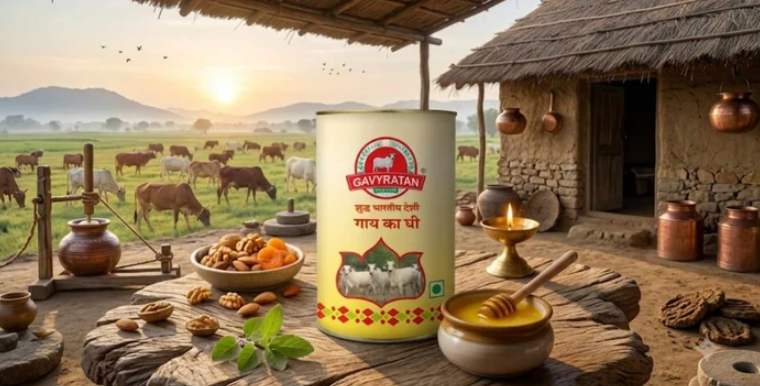


A2 Cow Ghee has become increasingly popular among people who prefer traditional Indian foods and are looking for high-quality dairy products for their daily diet. Ghee has been an essential part of Indian kitchens for generations and is commonly used in cooking, religious rituals, and traditional recipes.
Today, many people are interested in learning more about A2 Cow Ghee, including what it is, how it is made, and how it differs from regular ghee. The quality of ghee can depend on several factors, including the source of milk, the preparation method, and overall product quality.
In this blog, we will explore everything you need to know about A2 Cow Ghee, including its traditional preparation, nutritional characteristics, common uses, and tips for choosing a quality product.
What Is A2 Cow Ghee?
A2 Cow Ghee is clarified butter made from milk associated with cows that naturally produce A2 beta-casein protein. A2 beta-casein is one of the types of beta-casein found in cow’s milk.
The term “A2” refers to the type of beta-casein present in the milk used to make the dairy product. However, consumers should understand that the nutritional composition and quality of the final ghee can also depend on sourcing and processing methods.
Traditionally, cow’s milk is transformed into curd, churned to obtain butter, and then heated slowly to produce ghee. This traditional method is often associated with the Bilona method of preparation.
How Is A2 Cow Ghee Traditionally Made?
Traditional preparation begins with fresh cow’s milk. The milk is first allowed to ferment into curd. The curd is then churned to separate butter from buttermilk. This butter is slowly heated until the water evaporates and the milk solids separate, leaving behind aromatic, golden ghee.
This process is valued for its traditional approach and distinctive taste. Different manufacturers may use different production techniques, so it is always helpful to check the product label and manufacturing information before purchasing.
Nutritional Characteristics of A2 Cow Ghee
Like other types of ghee, A2 Cow Ghee is primarily a source of dietary fat and energy. It is calorie-dense, which means that even a small serving can provide a significant amount of energy.
Its nutritional composition may include:
- Dietary fats
- Calories that provide energy
- Naturally occurring fat-soluble vitamins in varying amounts
- Small quantities of naturally occurring milk-derived compounds
The exact nutritional profile can vary depending on the milk source, animal diet, and manufacturing process.
It is important to enjoy ghee as part of an overall balanced diet. Because it is high in calories and saturated fat, portion size should be considered according to individual dietary needs.
Potential Benefits of A2 Cow Ghee
1. A Concentrated Source of Energy
One of the practical benefits of A2 Cow Ghee is that it provides concentrated dietary energy. Fats are an essential macronutrient and play several important roles in the body.
Adding a small amount of ghee to a meal can increase its energy content and enhance its taste. However, moderation is important because ghee is calorie-dense.
2. Adds Flavor to Everyday Meals
A2 Cow Ghee has a rich aroma and distinctive taste that can enhance many traditional dishes. A small spoon of ghee can add flavor to dal, rice, khichdi, roti, vegetables, and other home-cooked meals.
For many families, ghee is not just a cooking ingredient but also an important part of traditional food culture.
3. Suitable for Various Cooking Uses
Ghee has traditionally been used for sautéing, cooking, and finishing dishes. Its relatively high smoke point makes it suitable for several cooking applications when used appropriately.
You can use A2 Cow Ghee to prepare vegetables, traditional Indian dishes, and festive recipes. It can also be added to cooked food just before serving for extra flavor.
4. Supports the Enjoyment of Traditional Foods
One reason behind the popularity of A2 Cow Ghee is its connection with traditional Indian food practices. Many people prefer products prepared using familiar methods and sourced from carefully selected milk.
Using traditional ingredients can help people continue enjoying cultural recipes while making informed choices about the products they purchase.
Common Uses of A2 Cow Ghee
A2 Cow Ghee is versatile and can be included in everyday cooking in several ways:
- Add a small amount to warm dal or khichdi.
- Apply a light layer to roti or paratha.
- Use it for cooking or sautéing vegetables.
- Add it to rice-based dishes for flavor.
- Use it in traditional sweets and recipes.
- Add a small amount to cooked meals as a finishing ingredient.
The quantity should be adjusted based on your overall diet and nutritional requirements.
A2 Cow Ghee vs Regular Ghee
The main distinction generally discussed between A2 Cow Ghee and other cow ghee products relates to the type of milk used. A2 Cow Ghee is associated with milk containing A2 beta-casein, while conventional milk may contain different types of beta-casein.
However, consumers should avoid assuming that every product labelled A2 automatically provides specific health outcomes. The overall quality of the product, sourcing, manufacturing practices, and individual dietary needs are all important factors.
When comparing products, look beyond marketing claims and check:
- The source of the milk
- Ingredients listed on the label
- Preparation method
- Quality and food safety standards
- Storage instructions
- Manufacturer information
How to Choose Good Quality A2 Cow Ghee
Choosing a quality product can make a difference in your overall experience. Before buying A2 Cow Ghee, consider the following points:
Check the Ingredients
Look for a product with a clear ingredient list. Pure ghee products should not contain unnecessary additives or artificial ingredients.
Learn About the Source
Choose brands that provide transparent information about the source of their milk and their manufacturing practices.
Understand the Preparation Method
If you prefer traditionally prepared ghee, look for information about methods such as the bilona process. Make sure the brand clearly explains how its product is made.
Check Packaging and Storage Information
Good packaging helps protect the quality of the product. Follow the manufacturer’s storage recommendations to maintain freshness and flavor.
How Much A2 Cow Ghee Should You Consume?
There is no single quantity that is suitable for everyone. The right amount depends on factors such as your age, activity level, overall calorie intake, and other sources of fat in your diet.
A small amount can be incorporated into a balanced diet, but excessive consumption may add more calories and saturated fat than needed. If you have specific dietary concerns or have been advised to follow a particular diet, consider consulting a qualified healthcare or nutrition professional.
Conclusion
A2 Cow Ghee is a traditional clarified butter product that continues to attract attention among consumers who value Indian food traditions and carefully sourced ingredients. Its rich flavor, versatility, and connection with traditional preparation methods make it a popular addition to many kitchens.
Whether you enjoy it with dal, roti, khichdi, or other home-cooked meals, moderation is the key to including ghee in a balanced diet. When choosing an A2 Cow Ghee product, focus on ingredient transparency, sourcing, quality standards, and preparation methods rather than relying only on marketing claims.
By making informed choices and using appropriate portions, you can enjoy the traditional taste and versatility of A2 Cow Ghee as part of your everyday meals.