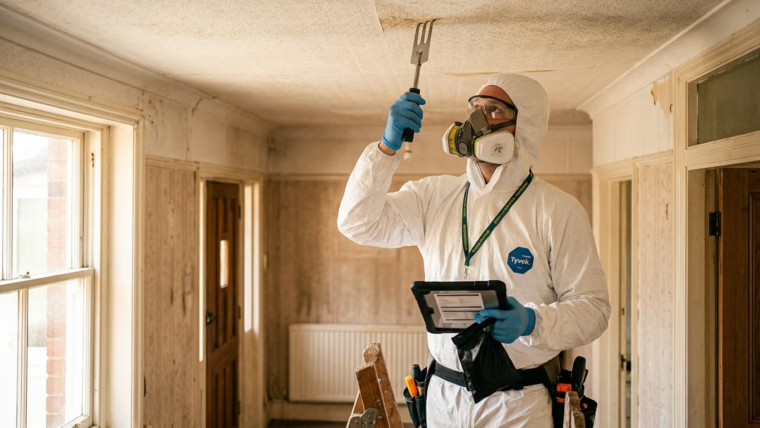
Many older buildings contain materials that were widely used in construction but are now recognised as potential health hazards. Asbestos is one of the most significant examples. It was incorporated into insulation, ceiling finishes, floor tiles, roofing products, wall panels, and numerous other building components because of its durability and resistance to heat. Although its use has been heavily restricted in the United Kingdom, asbestos can still be present in properties constructed or refurbished before the relevant bans. Identifying and controlling these materials requires a structured approach, and professional asbestos management assessments help property owners understand where asbestos-containing materials may exist and what precautions are necessary to manage them safely.
Why Asbestos Remains a Concern in Existing Properties
Asbestos was extensively used throughout the twentieth century, particularly in commercial, industrial, and residential construction. Its strength, affordability, and insulating properties made it an attractive building material.
The problem arises when asbestos-containing materials become damaged, deteriorate, or are disturbed during maintenance and renovation work. Microscopic fibres can become airborne and enter the respiratory system when released.
Exposure to these fibres is associated with serious illnesses, including mesothelioma, asbestosis, and lung cancer. These conditions may take many years to develop, which makes preventing exposure particularly important.
Importantly, asbestos-containing materials do not automatically present an immediate danger when they remain in good condition and undisturbed. The level of risk depends on the material’s condition, location, accessibility, and likelihood of disturbance.
Where Asbestos May Be Found in Older Buildings
One of the difficulties with identifying asbestos is that it can be incorporated into materials that look similar to ordinary construction products. A visual inspection alone cannot reliably confirm whether a particular material contains asbestos.
Common locations include the following.
Ceiling and Wall Materials
Older ceiling tiles, textured coatings, insulation boards, and partition panels may contain asbestos. Some materials were installed to improve fire resistance or provide thermal and acoustic insulation.
Damaged ceiling panels and deteriorating wallboards deserve particular attention, especially in areas where regular maintenance or refurbishment is planned.
Flooring and Adhesives
Certain older vinyl floor tiles and the adhesives used to secure them may contain asbestos. These materials can become a concern when contractors remove flooring, scrape surfaces, or carry out extensive renovation work.
Removing old flooring without first understanding its composition can create unnecessary exposure risks.
Roofs and External Cladding
Asbestos cement was commonly used in roofing sheets, gutters, downpipes, and external wall coverings.
Although asbestos cement generally releases fewer fibres when intact than more easily damaged materials, cutting, drilling, breaking, or weather-related deterioration can increase the likelihood of fibre release.
Pipework and Boiler Insulation
Older heating systems may contain asbestos insulation around pipes, boilers, and associated equipment.
These materials can be particularly hazardous when damaged because some forms of asbestos insulation are relatively soft and can release fibres more easily.
Understanding the Purpose of a Professional Survey
A professional asbestos survey provides information about the presence, location, condition, and accessibility of suspected asbestos-containing materials.
The findings help property owners make informed decisions about maintenance, repair, refurbishment, and ongoing building management.
The type of survey required depends on the intended use of the property and the activities planned.
Management Surveys
A management survey is intended to locate, as far as reasonably practicable, asbestos-containing materials that could be disturbed during normal occupancy and routine maintenance.
The surveyor examines accessible areas and assesses the condition of suspected materials. Where appropriate, representative samples may be collected for laboratory analysis.
The resulting report provides information that can support the development of an asbestos management plan.
Refurbishment and Demolition Surveys
A refurbishment or demolition survey is required before relevant refurbishment or demolition work begins.
Unlike a management survey, this assessment is designed to identify asbestos-containing materials within the areas affected by the planned work, including materials hidden behind walls, beneath floors, or above ceilings.
Intrusive inspection techniques may be necessary to locate concealed materials. Consequently, the affected areas generally need to be vacated during the survey.
Selecting the correct survey is essential because a routine management inspection should not be treated as sufficient preparation for extensive structural alterations.
What Happens During an Asbestos Inspection
The inspection process involves several stages designed to establish an accurate picture of potential asbestos risks within a property.
Reviewing Building Information
The surveyor may begin by examining available architectural drawings, maintenance records, refurbishment documents, and information about the building’s construction date.
These records can help identify areas where asbestos-containing products may have been installed.
Inspecting Accessible Areas
The surveyor examines relevant rooms, service areas, ceilings, walls, flooring, plant rooms, and other accessible locations.
Suspected materials are recorded according to their location, appearance, condition, and potential for disturbance.
Collecting Material Samples
Where necessary, samples are taken from suspected materials and submitted to an appropriately accredited laboratory for analysis.
Sampling must be performed by competent professionals using suitable precautions to minimise the release of fibres.
Preparing the Survey Report
The final report generally identifies suspected or confirmed asbestos-containing materials, their locations, condition, and recommendations for appropriate management.
This documentation provides a foundation for deciding whether materials should remain in place, undergo repair, be encapsulated, or require specialist removal.
Developing an Effective Asbestos Management Plan
Identifying asbestos is only the first stage of responsible building management. Once materials have been located, property owners and duty holders need a practical system for controlling associated risks.
An effective management plan should include several essential elements.
An accurate asbestos register: The register should record the location, type, condition, and relevant details of identified or presumed asbestos-containing materials.
Risk assessments: Materials should be evaluated according to their condition, accessibility, and likelihood of disturbance.
Monitoring arrangements: Periodic inspections help establish whether previously identified materials have deteriorated or become damaged.
Maintenance procedures: Contractors and maintenance teams should receive relevant information before working in areas where asbestos may be present.
Emergency arrangements: Procedures should explain what to do if suspected asbestos-containing materials are accidentally damaged.
Staff awareness: Employees, contractors, and relevant building occupants should understand how to recognise potential asbestos risks and report concerns.
A management plan should remain a working document rather than being treated as a report that is completed once and forgotten.
Legal Responsibilities for Property Owners and Employers
In Great Britain, the Control of Asbestos Regulations 2012 establish important duties concerning the management of asbestos in non-domestic premises.
Regulation 4 introduces the duty to manage asbestos in applicable non-domestic premises. This responsibility generally falls on the person or organisation with the relevant maintenance or repair obligations.
Duty holders must take reasonable steps to determine whether asbestos is present, assess its condition, maintain records, and manage the risks associated with identified materials.
They must also provide relevant information to anyone who may disturb asbestos during their work.
For employers, landlords, facilities managers, and commercial property operators, these obligations form an important part of wider workplace health and safety arrangements.
Domestic properties are subject to different legal considerations, although asbestos risks still need to be addressed carefully whenever renovation or maintenance activities are planned.
Common Mistakes That Increase Asbestos Exposure Risks
Several avoidable mistakes can undermine otherwise effective building safety procedures.
- Assuming newer-looking materials are asbestos-free: Appearance alone cannot establish the composition of a building product.
- Disturbing materials before inspection: Drilling, sanding, cutting, or removing suspected materials without appropriate checks can release fibres.
- Ignoring damaged materials: Cracked insulation boards, deteriorating coatings, and damaged panels should be assessed promptly.
- Failing to update records: Changes to building layouts, refurbishment work, and material removal should be reflected in relevant documentation.
- Using unqualified contractors: Asbestos inspection, sampling, and removal require appropriate competence and procedures.
Avoiding these mistakes helps protect building occupants, maintenance workers, and contractors.
Frequently Asked Questions
Is asbestos always dangerous when present in a building?
No. Asbestos-containing materials that remain intact and undisturbed may present a relatively low risk. The concern increases when materials deteriorate or are disturbed, potentially releasing airborne fibres.
How old does a building need to be before asbestos becomes a concern?
Asbestos was widely used in UK construction throughout much of the twentieth century. Buildings constructed or refurbished before the relevant prohibitions may contain asbestos-containing materials. A property’s age alone cannot confirm their presence or absence.
How often should an asbestos register be reviewed?
There is no single inspection interval suitable for every property. The register and management arrangements should be reviewed regularly, with inspections scheduled according to the condition and risk of identified materials. A review is also necessary when building work or changes affect recorded materials.
Can asbestos be removed without professional assistance?
Removal should not be treated as an ordinary maintenance task. Certain lower-risk work may be undertaken by appropriately trained non-licensed contractors, while higher-risk activities require licensed contractors. The correct approach depends on the material and the nature of the work.
What should someone do after accidentally damaging suspected asbestos?
Stop work immediately, avoid disturbing the material further, and prevent access to the affected area. Do not attempt to sweep, vacuum, or clean up the debris using ordinary equipment. Seek advice from a competent asbestos professional about the appropriate response.
Conclusion
Asbestos remains an important consideration when managing older residential and commercial buildings. Although many asbestos-containing products can remain safely in place when properly maintained, deterioration and uncontrolled building work can create serious exposure risks.
Understanding where these materials may exist, assessing their condition, maintaining accurate records, and communicating relevant precautions are essential responsibilities for property owners and duty holders. A planned approach to building safety helps prevent accidental disturbance, supports regulatory compliance, and protects the people who live, work, and carry out maintenance within the property.