

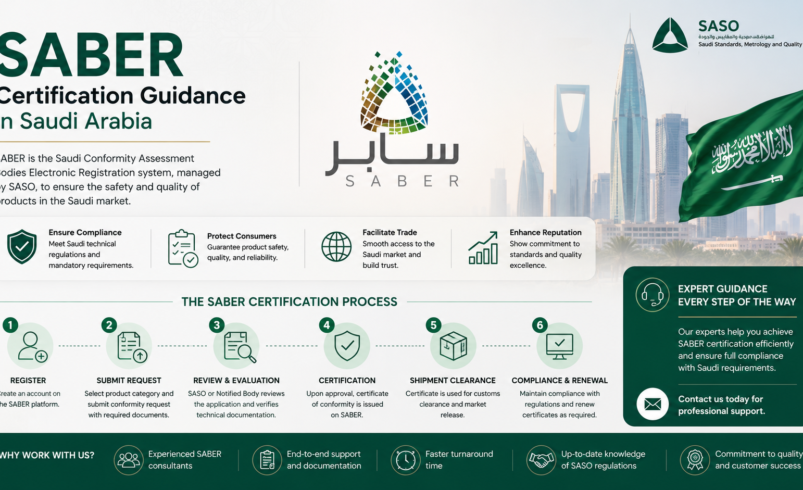

Understanding the saber system saudi arabia is essential for importers moving goods through the Kingdom’s busiest trade gateways. Businesses involved in cross-border trade must comply with product conformity requirements, customs clearance regulations, shipment certification procedures, SASO standards, import documentation rules, and cargo inspection requirements to ensure smooth entry into Saudi Arabia. Among the most important entry points is the Batha Border, where thousands of commercial shipments pass every month. As Saudi Arabia continues strengthening its import compliance framework, Saber certification has become a critical factor affecting how shipments are processed, inspected, and released at Batha Border Customs.
What Is Batha Border Customs?
Batha Border is one of Saudi Arabia’s largest and busiest land border crossings, connecting the Kingdom with the United Arab Emirates and serving as a major gateway for trade throughout the Gulf region.
Every day, hundreds of trucks carrying commercial goods pass through the border, including:
- Consumer products
- Industrial equipment
- Automotive parts
- Construction materials
- Electronics
- Food products
Batha Border Customs is responsible for:
- Verifying shipment documentation
- Assessing customs duties and taxes
- Conducting inspections
- Ensuring regulatory compliance
- Monitoring import restrictions
- Releasing cargo for delivery
Because of the high volume of shipments processed, proper compliance preparation is essential.
What Is the Saber System?
The Saber platform is an electronic compliance system launched by the Saudi Standards, Metrology and Quality Organization (SASO).
The platform was developed to:
- Improve product safety
- Streamline customs clearance
- Reduce paperwork
- Ensure regulatory compliance
- Support digital trade transformation
Importers use the platform to register products, obtain conformity certificates, and verify compliance before goods enter Saudi Arabia.
Today, many regulated products cannot be imported without completing the required procedures through the Saber system.
Why Saber Certification Matters at Batha Border
Batha Border Customs relies heavily on digital verification systems to process cargo efficiently.
Saber certification helps customs officials confirm that imported products meet Saudi technical regulations and safety standards before they are released into the market.
Without proper certification, shipments may face:
- Customs delays
- Additional inspections
- Storage charges
- Regulatory reviews
- Cargo rejection
As a result, obtaining the required certifications before shipment arrival is critical.
Understanding the Main Saber Certificates
The Saber platform issues two primary certificates that directly affect customs clearance.
Product Certificate of Conformity (PCoC)
The Product Certificate of Conformity verifies that a product complies with Saudi technical regulations.
This certificate is usually valid for one year and may cover multiple shipments of the same product.
Benefits Include:
- Demonstrated compliance
- Faster customs processing
- Reduced inspection risks
- Improved import efficiency
Shipment Certificate of Conformity (SCoC)
The Shipment Certificate of Conformity is required for individual shipments entering Saudi Arabia.
The certificate confirms that the shipment matches the approved product registration.
Without an SCoC, customs authorities may not release the cargo.
How Batha Border Customs Processes Shipments
Understanding the customs process helps importers avoid unnecessary delays.
Step 1: Shipment Arrival
When cargo reaches Batha Border, customs authorities begin reviewing shipment information.
Required documents often include:
- Commercial invoice
- Packing list
- Certificate of origin
- Transportation documents
- Product certifications
- Import permits (if applicable)
Accurate documentation is essential for smooth processing.
Step 2: Electronic Compliance Verification
Customs systems verify product compliance electronically.
Officials review:
- Product registration records
- Conformity certificates
- Shipment certification status
- Importer information
The integration between customs systems and Saber helps accelerate processing.
Step 3: Customs Inspection
Some shipments are selected for inspection.
Reasons may include:
- Random selection
- High-risk product categories
- Missing documentation
- Compliance concerns
Products with proper certification often experience fewer compliance-related inspections.
Step 4: Duty and Tax Assessment
Customs authorities calculate applicable charges based on:
- Product classification
- Shipment value
- Tariff schedules
- VAT requirements
Payment must be completed before cargo release.
Step 5: Cargo Release
Once compliance requirements have been satisfied and duties paid, customs authorities release the shipment for transportation within Saudi Arabia.
Products Commonly Requiring Saber Certification
Many regulated product categories entering through Batha Border require certification.
Electrical Products
Examples include:
- Home appliances
- Consumer electronics
- Lighting equipment
- Electrical accessories
Automotive Parts
Examples include:
- Tires
- Spare parts
- Vehicle accessories
Construction Materials
Examples include:
- Building products
- Industrial machinery
- Safety equipment
Consumer Goods
Examples include:
- Toys
- Household products
- Personal care items
- Cosmetics
Certification requirements vary depending on the applicable technical regulations.
Common Shipment Delays at Batha Border
Several issues can prevent timely cargo release.
Missing Saber Certificates
One of the most common causes of customs delays is the absence of required conformity certificates.
Without certification, customs authorities may:
- Hold cargo
- Request additional documentation
- Require further inspections
- Delay shipment release
Incorrect Product Classification
Using the wrong HS code can result in:
- Incorrect duty calculations
- Compliance reviews
- Processing delays
Incomplete Documentation
Missing or inconsistent paperwork often creates clearance complications.
Examples include:
- Inaccurate invoices
- Incomplete packing lists
- Missing certificates of origin
Late Certification Applications
Importers who wait until goods are already in transit often encounter avoidable delays.
How Saber Certification Improves Shipment Processing
Although certification requirements may seem complex, they provide several benefits.
Faster Customs Clearance
Electronic verification enables customs authorities to process shipments more efficiently.
Reduced Inspection Risks
Certified products generally face fewer regulatory concerns.
Improved Supply Chain Planning
Importers gain greater confidence in delivery schedules and cargo release timelines.
Enhanced Compliance
Certification helps businesses meet Saudi regulations and avoid penalties.
Best Practices for Importers Using Batha Border
Businesses can improve customs efficiency by following several best practices.
Register Products Before Shipping
Complete product registration and certification before dispatching goods.
Verify Product Classification
Ensure accurate HS codes and product descriptions.
Prepare Complete Documentation
Maintain accurate records for:
- Commercial invoices
- Packing lists
- Certificates of origin
- Product specifications
- Conformity certificates
Monitor Regulatory Updates
Saudi import regulations continue to evolve, making compliance monitoring essential.
Work With Experienced Customs Clearance Providers
Professional customs clearance specialists can assist with:
- Product registration
- Saber certification
- Compliance reviews
- Documentation preparation
- Shipment processing
Their expertise often helps reduce delays and administrative burdens.
The Future of Customs Processing at Batha Border
Saudi Arabia continues investing heavily in logistics modernization under Vision 2030.
Future developments may include:
- Increased automation
- Faster cargo processing
- Enhanced digital verification
- Improved shipment visibility
- Greater customs integration
These initiatives aim to strengthen Saudi Arabia’s position as a leading regional logistics hub.
Conclusion
The saber system saudi arabia plays a vital role in determining how shipments are processed through Batha Border Customs. From product registration and conformity certification to shipment verification and customs clearance, Saber compliance has become a key requirement for businesses importing goods into the Kingdom.
By obtaining the necessary certifications, preparing accurate documentation, and understanding customs procedures, importers can significantly reduce delays and improve supply chain efficiency. As Saudi Arabia continues modernizing its trade and logistics infrastructure, businesses that prioritize compliance with Saber requirements will be better positioned for successful and uninterrupted cross-border trade.