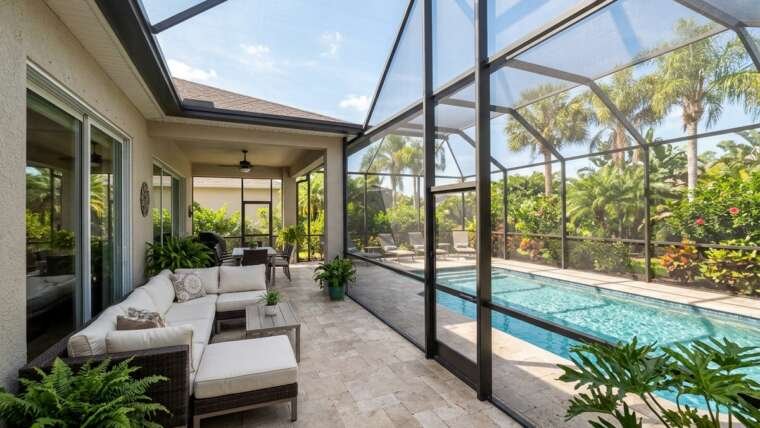
A well-maintained building is more than an attractive property. It is a functional, safe, and productive environment that supports the people who live, work, or conduct business inside it. However, without consistent attention, even a modern building can develop problems that affect its performance, increase operating expenses, and reduce its long-term value. From minor plumbing leaks to electrical faults and deteriorating structural components, small maintenance issues can quickly become expensive repairs when ignored.
Building maintenance plays an essential role in protecting property investments and ensuring that every part of a facility continues to operate as intended. A structured maintenance approach helps property owners, facility managers, and businesses avoid unnecessary disruptions while maintaining comfortable and reliable environments.
Why Building Maintenance Matters for Long-Term Property Performance
Every building experiences gradual wear and tear. Weather conditions, daily occupancy, equipment usage, and ageing materials all contribute to the deterioration of building components. Without regular inspections and timely repairs, these issues can affect both the appearance and functionality of a property.
A proactive maintenance strategy allows property managers to identify potential problems before they become major concerns. For example, repairing a small roof leak can prevent water damage, mould development, and expensive interior restoration. Similarly, routine electrical inspections can help identify faulty connections before they cause equipment failures or safety hazards.
Beyond preventing damage, consistent maintenance helps preserve property value. Buildings that receive proper care are generally more attractive to tenants, buyers, and investors. They also provide a better experience for occupants, making maintenance an important part of effective property management.
Essential Areas Covered by Building Maintenance
Maintaining a property requires attention to several interconnected systems. Each area contributes to the overall performance, safety, and usability of the building.
1. Electrical System Maintenance
Electrical systems require regular inspection to ensure safe and reliable operation. Maintenance activities may include checking wiring, distribution boards, lighting fixtures, switches, circuit breakers, and backup power systems. Identifying damaged components and resolving electrical faults helps reduce operational risks and prevents unexpected interruptions.
2. Plumbing and Water Systems
Plumbing problems can create significant inconvenience and property damage if left unresolved. Leaking pipes, blocked drainage systems, faulty water heaters, and damaged fittings require timely attention. Routine inspections help maintain proper water flow, reduce wastage, and prevent moisture-related damage.
3. HVAC and Air Conditioning Maintenance
Heating, ventilation, and air conditioning systems directly influence indoor comfort and air quality. Regular servicing, filter replacement, duct cleaning, and equipment inspections help maintain efficient performance. Proper HVAC maintenance can also reduce energy consumption and extend the working life of expensive equipment.
4. Structural and Exterior Maintenance
Roofs, walls, flooring, windows, doors, and external surfaces need ongoing attention. Cracks, damaged paintwork, water penetration, and deteriorating sealants should be addressed before they develop into more serious problems. Exterior maintenance also helps protect the building from environmental exposure.
Preventive Maintenance vs Reactive Repairs
One of the most important decisions in property management is choosing between preventive maintenance and reactive repairs.
Reactive maintenance involves fixing problems after they occur. Although this approach may appear less expensive initially, unexpected failures can result in emergency service charges, operational downtime, and additional damage.
Preventive maintenance takes a more organised approach. It involves scheduled inspections, routine servicing, equipment testing, and planned replacement of components before they fail.
For commercial properties, preventive maintenance is particularly valuable because equipment breakdowns can interrupt business operations and affect customer experiences. A planned maintenance schedule provides greater control over expenses and helps facility managers allocate resources more effectively.
The Business Benefits of Professional Maintenance Services
Professional maintenance services offer more than basic repair work. They provide organised support for managing the different systems and components that keep a building operational.
One major advantage is improved cost management. Regular inspections help identify developing issues early, reducing the likelihood of expensive emergency repairs. Professional technicians also have the knowledge and equipment needed to diagnose problems accurately.
Another benefit is improved safety. Electrical faults, damaged structures, poor ventilation, and plumbing failures can create risks for occupants. Qualified maintenance professionals help identify these concerns and recommend appropriate corrective measures.
Professional services can also improve operational efficiency. Properly maintained lighting, air conditioning, plumbing, and mechanical equipment generally perform more reliably. This supports a comfortable working environment while reducing avoidable energy waste.
Creating an Effective Building Maintenance Plan
A successful maintenance programme begins with a clear understanding of the property’s condition and operational requirements. Property managers should first identify critical systems, inspect existing equipment, and determine which areas require frequent attention.
The next step is developing a practical maintenance schedule. Routine inspections should cover electrical installations, plumbing networks, HVAC equipment, fire safety systems, structural components, and common areas.
Maintenance records are equally important. Keeping track of inspections, repairs, equipment performance, and replacement dates allows managers to identify recurring problems and make informed decisions.
It is also important to work with experienced maintenance professionals who understand the technical requirements of different building types. Residential properties, office buildings, retail facilities, and industrial sites each have specific maintenance demands.
Conclusion
Building maintenance is a long-term investment in property performance, safety, and value. Rather than waiting for equipment failures or structural problems to interrupt daily operations, property owners should adopt a proactive approach that combines regular inspections, preventive servicing, and timely repairs.
With a well-planned maintenance strategy and professional technical support, buildings can remain functional, comfortable, and efficient for years. For businesses and property managers, consistent maintenance is not simply an operational responsibility; it is an essential part of protecting assets and achieving sustainable property management.