Introduction
A shipping container can hold thousands of dollars in products. But those products only help your business once they are out of the box, counted and on a shelf. If the unloading goes wrong, you pay for it in damage, delays and lost sales.
That is why container unloading Brampton importers choose should be fast, careful and well documented. In this guide, you will learn how the process works and how to prepare. You will also see what affects cost and timing, and how to pick a reliable partner.
What Is Container Unloading in Brampton?
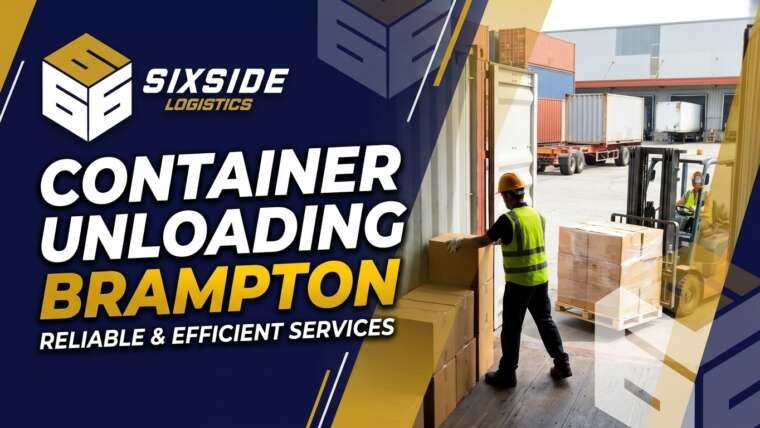
Container unloading, also called offloading or destuffing, means taking goods out of a shipping container and moving them into a warehouse. Brampton sits in Peel Region, close to Highways 407, 410 and 401. That makes it a practical base for receiving imports and sending goods on to customers across the GTA.
If you want the basics first, read our guide on what container offloading is.
Who Needs These Services?
Many businesses use unloading providers instead of doing the work themselves. Common examples include:
- Importers who receive containers on a regular schedule
- E-commerce brands that need goods ready to sell quickly
- Retail suppliers who must split large loads into store orders
- Companies without the dock space, equipment or crew to unload safely
Why Not Do It Yourself?
Unloading looks simple, but it takes trained workers, forklifts, dock space and good records. One mistake can injure a worker or crush a pallet. A provider spreads those costs across many clients, so you pay only for the job you need.
How Container Unloading Brampton Works Step by Step
Every provider has its own routine, but most follow the same core steps. Knowing them helps you spot a careful team.
Step 1: Booking and Arrival
You share the container number, arrival date and product details. The container is trucked from the port or rail yard to the warehouse. The team checks the seal number and takes photos before opening the doors.
Step 2: Opening and Inspecting
Cargo can shift in transit, so workers open the doors slowly. They look for water damage, crushed boxes or strange odors. Notes and photos taken now protect you if you need to make a claim.
Step 3: Unloading and Counting
The crew removes goods by hand or with forklifts and pallet jacks. Then they count cartons or pallets and compare them with your packing list. Shortages and damage are recorded right away.
Step 4: Labelling and Putaway
Goods are labelled and moved into storage or set aside for outgoing orders. Good records at this stage make everything after it easier.
Preparing for Container Unloading Brampton
Smooth unloading starts before the truck arrives. A little planning saves time and money.
Share Documents Early
Send your warehouse the packing list, bill of lading and customs release. Without customs clearance, nobody can move the container. Our checklist on how to prepare before a container arrives lists what to have ready.
Know How It Was Loaded
Palletized containers hold goods on pallets, so forklifts can lift whole stacks. Floor-loaded containers hold loose cartons stacked to the ceiling, and workers must handle each box. That difference changes labor and timing a lot. See our comparison of palletized vs. floor-loaded containers.
Plan What Happens Next
Decide whether your goods will be stored, repacked or shipped right away. Knowing the types of inventory in supply chain management helps you sort stock into what to hold and what to move fast.
Safety and Damage Prevention
A loaded container is a tight space full of heavy freight. Safety and careful handling protect both people and products.
Common Risks
Watch for these hazards:
- Shifted cargo that can fall when the doors open
- Heavy or awkward items that cause strains
- Forklift and foot traffic at the dock
- Poor air quality in containers treated with chemicals
Trained crews use proper gear and follow clear dock rules. Our container offloading safety and risk guide goes into more detail.
Why Damage Happens
Rushed work, wrong equipment and poor planning cause most problems. Every extra touch raises the risk. Learn how improper offloading causes damage, loss and delays so you know what to ask about.
What Affects Cost and Timing
Most importers want a simple price and time. The honest answer is that both depend on your load.
Cost Factors
Pricing usually depends on container size, loading style and labor time. Extras such as sorting, labelling, photos or repacking add to the total. Late pickups can also trigger demurrage, which is a fee from the shipping line when a container stays too long. See what affects container offloading costs for a full list.
Timing Factors
Palletized containers often unload in a few hours, while floor-loaded ones may take a full day or longer. The number of products, customs holds and appointment availability also matter. Ask for an estimate before booking.
Ways to Speed Things Up
Clear documents, early scheduling and good communication make receiving faster. Here are practical tips to speed up your import receiving process. If you receive many containers at once, also read how to plan container unloading for high volume.
Choosing a Container Unloading Partner in Brampton
The right partner protects your goods and your schedule. Ask these questions before you sign:
- Can you unload both palletized and floor-loaded containers?
- How do you record damage, shortages and photos?
- What safety training does your crew have?
- How fast can you receive and put away my goods?
- Can you also store, repack or ship my products?
It also helps to learn what are inventory management techniques, so you can ask how your provider tracks stock after unloading.
Why Choose Six Side Logistics
Six Side Logistics offers container offloading along with storage, cross-docking, repacking and kitting, and order fulfillment. That means one team can handle your goods from arrival to shipment instead of passing them between vendors. You can see how we approach receiving in our page on Six Side Logistics for container offloading.
Conclusion
Good container unloading Brampton services come down to planning, safe handling and clear records. Know how your container was loaded, share documents early and ask about costs and timing up front. A careful process protects your people, your products and your profit.
Look at your next container and ask where delays or damage could happen. If you want a partner who handles each step, contact Six Side Logistics for a free quote.