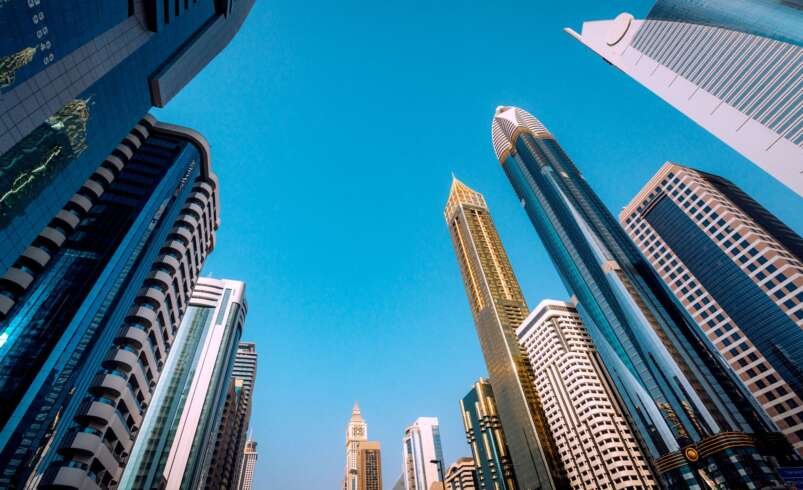

As 2026 progresses into its final quarter, the Dubai real estate landscape is undergoing a fascinating transition. For years, the market operated in an environment of rapid, speculative growth where virtually any property purchase yielded immediate, double-digit returns. Today, the market has officially shifted from an exuberant boom into a sophisticated, fundamentals-driven cycle.
While the emirate continues to generate massive capital inflows—recording $78 billion in real estate sales across over 79,000 transactions in the first half of 2026—recent data reveals a cooling in transaction volumes as buyers transition from speculative trading to highly selective, long-term asset acquisition. For expatriates, global investors, and high-net-worth individuals, understanding this rebalancing is critical to making profitable decisions.
The Macro-Economic Foundations of 2026
The stabilization of transaction volumes does not indicate a decline in Dubai’s appeal; rather, it reflects a market that is maturing and prioritizing sustainable value over short-term hype. The foundational pillars of the city’s real estate sector remain incredibly strong.
Sustained Population Growth
Dubai’s population officially surpassed the 4 million milestone in 2025, and conservative estimates project the addition of a further 175,000 to 225,000 residents throughout 2026. Crucially, unlike previous cycles heavily weighted toward transient workers, recent demographic growth is characterized by skilled professionals and long-term residents. This influx translates directly into sustained organic demand for end-user housing and robust rental absorption.
Unmatched Tax Environment and Wealth Preservation
Geopolitical and economic uncertainties in Europe and Asia continue to drive global wealth toward safe-haven jurisdictions. Dubai’s fiercely protective tax regime remains its primary competitive advantage. The complete absence of annual property taxes, capital gains taxes, and personal income taxes allows both domestic and foreign investors to preserve their wealth and compound their returns at an accelerated pace.
Market Trends: Shrinkflation and the Yield Paradox
The 2026 buyer is far more analytical, scrutinizing every detail from developer reputation to price-per-square-foot ratios. This heightened selectivity has given rise to distinct market trends.
Residential “Shrinkflation”
The apartment segment in 2026 is experiencing a unique phenomenon often referred to as real estate shrinkflation. While the average price per square foot has continued to rise, the overall average transaction value for apartments has remained relatively stagnant. This indicates that developers are designing—and buyers are purchasing—smaller internal layouts to maintain accessible total price points. Consequently, well-designed studios and one-bedroom apartments are currently dominating transaction volumes, serving as highly efficient investment vehicles.
Global Leading Rental Yields
Despite the moderation in sales transaction volume, Dubai remains one of the most lucrative global markets for landlords. Residential rental yields average a highly attractive 6.3% to 6.76% across the emirate. Specific suburban communities are generating exceptional gross yields upwards of 9.1%, while prime urban centers like Dubai Marina and Downtown Dubai consistently deliver average yields between 7.0% and 7.9%.
Strategic Community Selection: Where to Invest
In a maturing market, property performance varies drastically between micro-markets. Buyers are placing a massive premium on established infrastructure, reliable developer delivery histories, and strong lifestyle amenities.
Dubai Marina: The Undisputed Yield Generator
Dubai Marina remains a global benchmark for waterfront living. Because of its dense infrastructure, beach access, and vibrant nightlife, it consistently attracts young corporate professionals and short-term holidaymakers. This dense demographic concentration allows properties in Dubai Marina to maintain strong occupancy rates and excellent liquidity, ensuring robust cash flow for investors.
Palm Jumeirah: The Ultimate Defensive Asset
The Palm Jumeirah operates almost independently of broader market cooling. As an exclusive island with strictly finite land supply, it serves as the ultimate wealth preservation tool for the global elite. Palm Jumeirah continues to see persistent demand for its private beachfront villas, functioning as a highly defensive asset class that shields capital against global macroeconomic turbulence.
DAMAC Hills 1 and Family Suburbs
Following steep price increases in central prime villas, mid-tier suburban communities have emerged as major beneficiaries. Master-planned estates like DAMAC Hills 1 offer exceptional price-per-square-foot value. With expansive green parks, international schools, and community retail, these areas cater perfectly to families seeking long-term residency, resulting in quiet, stable, and long-tenured tenant income.
Sobha Hartland and Al Jaddaf
For investors seeking higher capital growth potential, strategically located emerging hubs are highly attractive. Sobha Hartland, positioned within Mohammed Bin Rashid City, offers premium green living just minutes from Downtown Dubai, catering to buyers demanding bespoke luxury integrated with nature. Meanwhile, Al Jaddaf, nestled along the historic Dubai Creek, benefits from continuous public infrastructure upgrades, providing a more accessible price point for early investors aiming for medium-term capital gains.
Off-Plan Versus the Secondary Market
The approach to acquiring real estate in 2026 requires aligning your capital deployment with the right market sector.
The Off-Plan Scrutiny
While off-plan (under construction) properties remain popular due to staggered, interest-free payment plans, buyers are no longer rushing into projects blindly. Today’s investors rigorously scrutinize developer delivery histories, construction quality, and long-term community appeal. The market rewards true scarcity and established developer reputations rather than artificially restricted supply.
The Ready Property Advantage
The secondary (ready) market is highly appealing to end-users wishing to upgrade their lifestyle immediately and investors seeking instant rental income. In 2026, purchasing a ready property allows the buyer to physically inspect the asset, completely bypass construction timelines, and leverage immediate rental demand. As the market stabilizes, buyers in the secondary market are also finding slightly more room for negotiation, ensuring they secure assets at accurate market valuations.
The Critical Role of Expert Advisory
As Dubai’s real estate market transitions from a rapid-growth boomtown into a sophisticated, high-value investment haven, the margin for error has significantly narrowed. Property selection can no longer rely on broad market hype; it must be rooted in granular data analysis, an understanding of micro-market capital flows, and thorough due diligence of developer track records.
Attempting to navigate this segmented landscape independently introduces unnecessary risk. Expert real estate professionals possess the institutional knowledge required to interpret shifting transaction volumes, identify which communities are absorbing the most capital, and secure access to exclusive off-plan launches before they are released to the general public.
Whether you are evaluating the capital appreciation potential of an emerging district or balancing the high-yield mechanics of an urban apartment, working with a trusted real estate company in Dubai ensures that your capital is deployed with strategic precision. A reputable agency provides end-to-end management of the entire transaction lifecycle. They leverage expert negotiation skills to ensure optimal pricing, handle the complex documentation required by the Dubai Land Department, and offer strategic guidance tailored to your specific financial objectives.
For those looking to confidently buy, sell, and invest in properties in Dubai, aligning with dedicated Nyla real estate agents in Dubai ensures that you have the expert support, market transparency, and personalized guidance necessary to protect your capital and maximize your returns in this evolving global market.
Conclusion
The late 2026 Dubai property market rewards the informed and penalizes the speculative. The city has unequivocally solidified its status as a global financial and residential powerhouse, offering a rare combination of tax-free yields, unrivaled safety, and dynamic economic growth. By focusing on long-term demographic trends, prioritizing build quality and developer reputation, and leveraging the expertise of seasoned professionals, global investors can confidently navigate this mature cycle to build highly profitable, resilient real estate portfolios.