

Moving cargo across borders involves far more than arranging transportation from one location to another. Delayed shipments, incorrect documentation, customs complications, poor coordination, unexpected charges, and unsuitable transport arrangements can create serious problems for businesses that depend on reliable supply chains.
Professional freight forwarding services provide businesses with the coordination and logistics expertise needed to move goods efficiently across domestic and international markets. From selecting the right transportation method to managing documentation, customs coordination, cargo handling, and delivery arrangements, freight forwarders help simplify complex shipping processes.
Whether a company is moving commercial goods, industrial equipment, raw materials, machinery, or project cargo, an experienced freight forwarding partner can provide a structured approach to transportation and logistics management.
Comprehensive Freight Forwarding Solutions
Freight forwarding involves coordinating multiple stages of the cargo movement process.
Depending on the shipment requirements, professional services may include transportation planning, carrier coordination, documentation, customs clearance support, cargo consolidation, warehousing, cargo handling, shipment tracking, and final delivery.
Using one coordinated logistics partner can reduce communication gaps and make it easier for businesses to monitor their shipments.
Sea Freight Forwarding
Sea freight is widely used for large-volume and international shipments where cost efficiency is an important consideration.
Professional freight forwarders can coordinate full container load and less-than-container load shipments according to cargo volume and destination.
Services may include container booking, port coordination, documentation, cargo handling, consolidation, and delivery arrangements.
Proper planning is particularly important when cargo involves multiple ports, connecting transportation, or specific handling requirements.
Air Freight Services
When speed is a priority, air freight can provide an efficient transportation solution.
Freight forwarding services can help businesses arrange air cargo transportation for urgent shipments, high-value goods, time-sensitive products, spare parts, documents, and other cargo requiring faster movement.
Freight forwarders coordinate airline bookings, cargo documentation, handling requirements, customs procedures, and onward transportation.
Land Freight Transportation
Land transportation provides an important connection between warehouses, ports, airports, distribution centers, and final destinations.
Freight forwarding companies can arrange trucks and other suitable vehicles based on cargo type, dimensions, weight, route, and delivery requirements.
For regional shipments, road freight can also provide flexible door-to-door transportation.
Multimodal Freight Forwarding
Some shipments require more than one transportation method.
A cargo movement may involve sea freight followed by road transportation, or air freight combined with local delivery.
Multimodal freight forwarding coordinates these different transportation stages under one logistics plan.
This can simplify shipment management while ensuring that cargo moves efficiently between different points in the supply chain.
Customs Clearance Coordination
Customs procedures can become complicated when documentation is incomplete or shipment information is inaccurate.
Professional freight forwarders can coordinate with customs clearance teams and help ensure that required shipping documents are properly prepared and submitted.
Depending on the shipment, documentation may include commercial invoices, packing lists, certificates, transport documents, and other required paperwork.
Proper documentation reduces the risk of avoidable delays and administrative complications.
Freight Documentation
Accurate documentation is essential for international cargo movement.
Freight forwarding companies help coordinate the paperwork associated with transportation, customs, cargo handling, and delivery.
Maintaining accurate shipment information also makes it easier to track cargo and resolve issues if they arise during transportation.
Project Cargo and Heavy Shipments
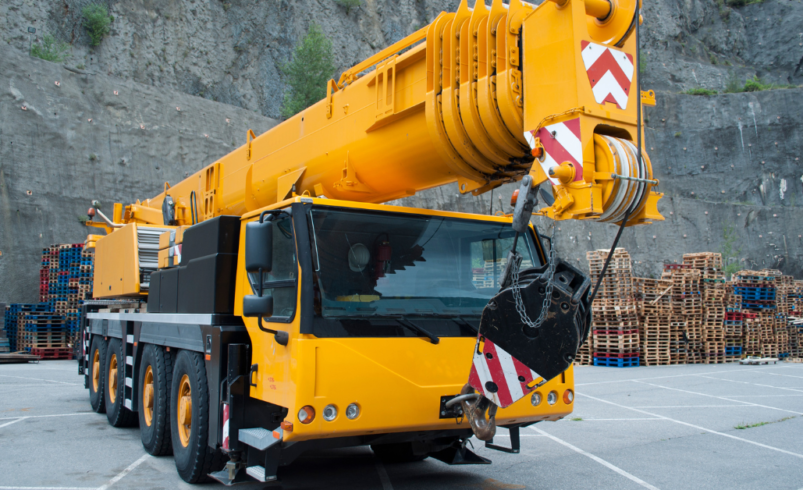
Industrial projects often require the movement of oversized, heavy, or specialized cargo.
This may include machinery, construction equipment, industrial components, structural materials, and other large items.
Project freight forwarding requires detailed planning around cargo dimensions, weight, loading procedures, transportation routes, permits, handling equipment, and delivery schedules.
Experienced forwarders can coordinate different logistics providers to ensure that specialized cargo reaches the project site safely and efficiently.
Cargo Consolidation
Businesses with smaller shipments may benefit from cargo consolidation.
Multiple shipments can be coordinated within a shared transportation arrangement when suitable, helping businesses optimize available cargo space and transportation costs.
Professional forwarders assess shipment volume, destination, timing, and cargo requirements before recommending an appropriate consolidation solution.
Warehousing and Storage
Warehousing can be an important part of the freight forwarding process when cargo cannot move directly from origin to final destination.
Logistics providers may coordinate temporary storage, inventory handling, cargo receiving, packing, labeling, and dispatch.
Proper warehouse coordination helps maintain cargo organization and supports smoother distribution.
Door-to-Door Freight Forwarding
Businesses often prefer a complete transportation solution rather than managing separate carriers for each stage.
Door-to-door freight forwarding can coordinate cargo collection from the supplier, transportation to the relevant port or airport, international movement, customs coordination, and final delivery.
This approach gives businesses a single logistics process to manage instead of multiple disconnected transportation arrangements.
Shipment Tracking and Visibility
Knowing where cargo is located is important for supply chain planning.
Modern freight forwarding operations use tracking systems and regular shipment updates to provide better visibility throughout transportation.
Businesses can use this information to coordinate warehouse operations, production schedules, inventory planning, and customer deliveries.
Cargo Handling and Protection
Different types of cargo require different handling procedures.
Fragile products, machinery, industrial equipment, valuable goods, and sensitive materials may require specialized packaging, loading, securing, or transportation arrangements.
Professional freight forwarders evaluate cargo characteristics before arranging suitable handling procedures.
Proper cargo protection reduces the risk of damage during loading, transportation, unloading, and transfer between different modes.
International Freight Forwarding
International shipments often involve multiple parties, including suppliers, carriers, customs authorities, ports, airports, warehouses, and final receivers.
A freight forwarder acts as a central coordinator between these parties.
This helps businesses manage international transportation more efficiently while reducing the administrative burden associated with cross-border shipments.
Time-Sensitive Cargo
Some shipments cannot afford extended transportation times.
Urgent spare parts, important commercial products, production materials, and other time-sensitive cargo require careful scheduling.
Freight forwarders can evaluate available transportation options and coordinate the shipment around the required delivery timeframe.
Supply Chain Support
Freight forwarding is closely connected to broader supply chain operations.
Reliable transportation helps businesses maintain inventory levels, receive materials, supply customers, and keep production activities moving.
An experienced logistics partner can help coordinate transportation according to purchasing schedules, warehouse capacity, production requirements, and distribution plans.
Cost Management
Transportation costs can vary depending on cargo dimensions, weight, destination, transportation mode, handling requirements, and delivery schedule.
Professional freight forwarders can compare suitable shipping options and help businesses select transportation arrangements based on cost, timing, and cargo requirements.
Transparent quotations and clear documentation also make it easier to understand the overall logistics cost.
Freight Forwarding for Different Industries
Different industries have different shipping requirements.
Manufacturing companies may need regular raw material and equipment transportation. Retail businesses may require consistent product shipments, while construction and industrial companies may need project cargo and heavy equipment logistics.
Other sectors, including automotive, healthcare, electronics, hospitality, and consumer goods, may also require specialized freight forwarding solutions.
The ability to adapt logistics arrangements to different industries is an important advantage of working with an experienced freight forwarder.
Why Choose Professional Freight Forwarding Services?
Professional freight forwarding services can provide several advantages:
- Better transportation coordination
- Access to multiple shipping options
- Professional documentation support
- Customs coordination
- Improved shipment visibility
- Cargo handling assistance
- Multimodal transportation
- Project cargo management
- Better cost control
- Reduced administrative workload
- More organized international shipping
- Reliable delivery coordination
These benefits allow businesses to focus on their core operations while an experienced logistics partner manages the complexities of cargo transportation.
Choosing the Right Freight Forwarding Company
The right freight forwarder should offer more than competitive shipping rates.
Businesses should evaluate the company’s experience, transportation network, service coverage, documentation capabilities, customs coordination, cargo handling procedures, tracking systems, and ability to manage specialized shipments.
Clear communication is equally important. A reliable freight forwarder should provide accurate shipment information, transparent pricing, and timely updates throughout the transportation process.
Businesses should also ensure that the provider has experience handling cargo similar to their own requirements.
Conclusion
Professional freight forwarding services play an important role in keeping modern supply chains organized and efficient. From sea and air freight to land transportation, customs coordination, warehousing, cargo consolidation, project cargo, and door-to-door delivery, freight forwarders manage multiple stages of the shipping process.
The right logistics partner can help businesses reduce transportation complications, improve shipment visibility, manage costs, and maintain more reliable cargo movement.
With proper planning, experienced coordination, accurate documentation, and suitable transportation solutions, businesses can move their goods more confidently across local and international markets.