
Selecting the right electric chain hoist is essential for maintaining safe, efficient, and reliable lifting operations. Whether used in construction sites, manufacturing facilities, warehouses, or industrial workshops, an electric chain hoist must match the demands of the lifting application. However, lifting capacity alone does not determine whether a hoist is suitable for a particular job. Its duty class rating is equally important.
Duty class ratings help businesses understand how frequently a hoist can operate, how much load it can handle over time, and whether it can withstand continuous or intermittent working conditions. In the UAE, where construction, logistics, manufacturing, and industrial operations often involve demanding lifting requirements, understanding these ratings helps businesses make better equipment decisions.
Let’s explore how duty class ratings influence electric chain hoist selection and what factors to consider before purchasing.
What Are Duty Class Ratings in Electric Chain Hoists?
Duty class ratings indicate the expected operating intensity of a lifting device. They classify hoists according to factors such as operating frequency, average load, lifting cycles, and total working time.
A hoist used occasionally for light maintenance work does not require the same operating capability as one used repeatedly in a busy manufacturing facility.
Duty classifications are commonly based on standards such as ASME HST-1 and FEM/ISO classification systems. Although the terminology differs between standards, the objective is similar: to match lifting equipment with its intended operating conditions.
Common considerations include:
- Operating frequency: How many lifting cycles the hoist performs during a working period.
- Average load: The typical weight lifted compared with the hoist’s rated capacity.
- Operating time: The total duration of motor operation.
- Load spectrum: Whether the hoist handles mostly light loads, medium loads, or heavy loads.
Understanding these factors helps industrial buyers select equipment that meets operational requirements without unnecessary investment.
Different Duty Classes and Their Applications
Electric chain hoists are available in different duty classifications to accommodate various industrial environments. The exact class names and limits depend on the applicable manufacturer and standard.
1. Light-Duty Applications
Light-duty hoists are suitable for operations involving occasional lifting and relatively low usage frequency.
Typical applications include:
- Small workshops
- Maintenance departments
- Light assembly operations
- Occasional material handling
These hoists are generally appropriate when lifting requirements are limited and operating cycles are relatively infrequent.
2. Medium-Duty Applications
Medium-duty classifications are suitable for workplaces where lifting operations occur regularly throughout the working day.
Common applications include:
- Manufacturing facilities
- Warehouses
- Automotive workshops
- Production and assembly lines
Businesses with regular material-handling requirements should evaluate average load, operating hours, and lifting frequency before choosing this category.
3. Heavy-Duty Applications
Heavy-duty hoists are designed for demanding operations involving frequent lifting, higher load utilization, and extended operating periods within their rated limits.
They are commonly considered for:
- Heavy manufacturing facilities
- Industrial production plants
- Steel fabrication workshops
- Intensive material-handling operations
Selecting the appropriate heavy-duty classification can help support consistent performance in demanding industrial environments.
How Duty Class Ratings Affect Electric Chain Hoist Selection
Choosing the wrong duty class can affect equipment performance, maintenance requirements, and operational safety. Here are the main factors businesses should evaluate.
1. Lifting Frequency and Working Cycles
The number of lifting operations performed each day directly influences hoist selection. A warehouse handling materials occasionally has different requirements from a production line operating multiple lifting cycles every hour.
Businesses should estimate the number of lifting cycles per shift and select a duty classification that accommodates the expected workload.
2. Load Capacity and Load Spectrum
Rated lifting capacity indicates the maximum permitted load, but it does not explain how frequently the hoist can lift that weight.
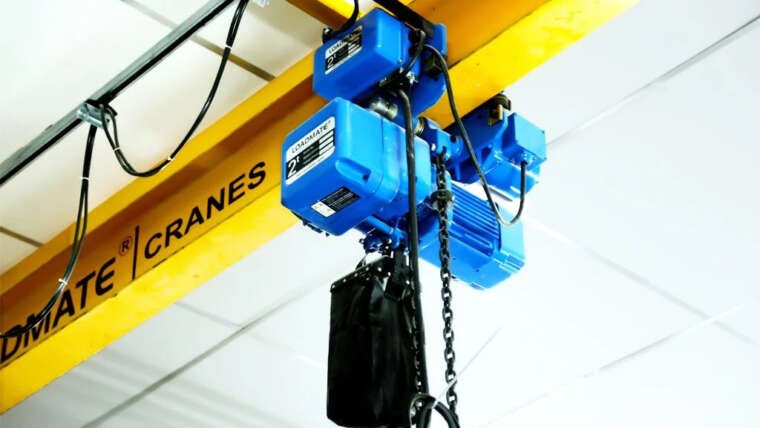
For example, a 2-ton electric chain hoist may be suitable for occasional 2-ton lifts but unsuitable for an application involving repeated lifts close to its maximum capacity.
Understanding the average load and load spectrum helps prevent selecting equipment that is undersized for the actual working conditions.
3. Motor Heating and Operating Time
Electric chain hoists use motors that generate heat during operation. Frequent starts, stops, and extended lifting periods can increase thermal stress.
Duty class ratings help buyers evaluate whether the motor’s operating characteristics are appropriate for the intended application.
Choosing a suitable hoist can reduce the risk of excessive heating, premature component wear, and unexpected interruptions.
4. Maintenance and Equipment Lifespan
Operating a hoist beyond its intended duty classification can increase wear on important components, including the motor, brake, chain, and gearbox.
Selecting the correct duty class and following manufacturer-recommended inspection schedules can support longer equipment service life and more predictable maintenance planning.
Important Factors to Consider When Buying an Electric Chain Hoist in the UAE
Before purchasing lifting equipment, businesses should evaluate more than the rated lifting capacity.
Consider the following points:
- Working environment: Check whether the hoist will operate indoors, outdoors, or in dusty, humid, or corrosive conditions.
- Lifting height: Select an appropriate chain length based on the required lifting distance.
- Power supply: Verify voltage, frequency, and electrical compatibility with the facility.
- Operating speed: Consider whether standard or variable lifting speeds are needed.
- Safety features: Evaluate overload protection, emergency stop controls, and reliable braking systems.
- Applicable standards: Check the relevant duty classification, certification, and manufacturer documentation.
Working with experienced industrial tool suppliers can also help businesses compare equipment specifications and identify a suitable lifting solution for their operations.
Conclusion
Duty class ratings play an important role in selecting the right electric chain hoist. They help businesses understand whether lifting equipment can handle their expected workload, operating frequency, and load requirements.
For UAE industries, selecting a hoist based only on lifting capacity can lead to operational limitations and unnecessary maintenance expenses. Evaluating duty classification, motor performance, working cycles, and environmental conditions supports safer and more efficient material handling.
Looking for reliable lifting equipment for your industrial operations? Consult experienced industrial tool suppliers to compare specifications, understand duty classifications, and choose an electric chain hoist that meets your operational requirements.
Frequently Asked Questions (FAQs)
1. What does the duty class of an electric chain hoist mean?
The duty class indicates the operating intensity a hoist is designed to handle. It considers factors such as lifting frequency, average load, operating duration, and working cycles.
2. Which duty class is suitable for continuous industrial operations?
Heavy-duty classifications are generally considered for intensive industrial applications. However, the correct selection depends on the actual load spectrum, operating hours, lifting cycles, and the manufacturer’s specifications.
3. Can a light-duty electric chain hoist lift heavy loads?
A light-duty hoist may have a specified lifting capacity, but that does not mean it is suitable for frequent heavy lifting. Operating beyond its intended duty classification can increase wear and reduce equipment reliability.
4. What should I check before purchasing an electric chain hoist in the UAE?
Check the rated capacity, duty class, lifting height, motor specifications, power supply, lifting speed, safety features, operating environment, and applicable standards. Consult a qualified supplier to confirm that the equipment matches your application.