
Regular Brake Pad Replacement is a vital part of keeping your vehicle safe and roadworthy on UK streets. Understanding the timing for a professional Brake system service prevents dangerous driving situations and saves you significant money long-term. Most drivers find that pads last between 25,000 and 65,000 miles, but this range varies depending on your driving style. Ignoring these warning signs can lead to deeper mechanical issues that cost much more to fix later. Keeping your braking components in top condition is the best way to ensure peace of mind every single time you drive.
1. Why Brake Wear Varies So Much
No two drivers use their brakes in the exact same way, which explains the large difference in pad lifespan. If you frequently drive in heavy stop-start urban traffic, you will naturally wear through your pads much faster. Conversely, motorway driving involves far less constant braking, which preserves your pad material for significantly longer periods. Understanding these habits helps you anticipate exactly when your next Car brake maintenance check should be scheduled. Always consult your vehicle handbook for specific guidance related to your make and model.
2. Obvious Signs That You Need New Pads
Your car provides several distinct clues when the friction material on your pads has worn dangerously thin. Listen closely for a high-pitched squealing noise whenever you apply gentle pressure to the brake pedal while moving. Many modern vehicles also feature built-in electronic sensors that trigger a warning light on your dashboard display. If you feel any vibration or grinding sensations, you need an immediate Brake rotor inspection by a technician. Never ignore these auditory or sensory warnings, as they are your car’s primary way of demanding attention.
3. The Dangers of Ignoring Worn Components
Driving with worn-out pads does more than just compromise your stopping distance during emergencies. Metal-to-metal contact can quickly ruin your discs, leading to an expensive and unnecessary Brake system service requirement. Once the friction lining is gone, the steel backing plate starts grinding against the metal rotor surface. This action causes deep scoring and overheating, which effectively destroys the structural integrity of your entire braking assembly. Prioritising timely maintenance is the only way to avoid these major and costly repair bills.
4. Comparing Different Types of Brake Pads
Different materials are used for pads, and each type offers unique characteristics regarding durability and stopping performance.
| Pad Material Type | Key Characteristic | Typical Longevity |
| Organic | Soft, quiet, and affordable | Shorter lifespan |
| Ceramic | High performance, very clean | Longest lifespan |
| Semi-Metallic | Durable and excellent braking | Moderate lifespan |
5. Factors Influencing Your Replacement Schedule
Your local driving environment plays a massive role in how quickly your brake pads naturally deteriorate. Driving through hilly areas or mountainous terrain requires constant brake application, which rapidly increases the heat and wear. Similarly, carrying heavy loads or towing trailers puts extra strain on your vehicle’s entire deceleration system. Regular Car brake maintenance is therefore essential if your driving involves these more demanding and strenuous conditions. Always err on the side of caution if you are unsure about your current pad thickness.
6. What to Expect During a Professional Inspection
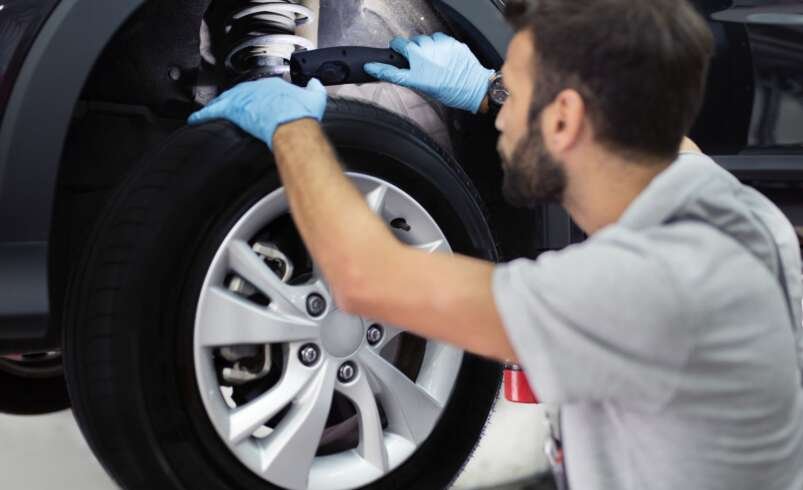
A professional technician will measure the remaining thickness of your friction material during every full service. They will also look for uneven wear patterns, which might indicate a stuck calliper or a seized slider pin. A thorough Brake rotor inspection confirms whether your discs are still smooth or require immediate replacement alongside the pads. Getting this expert evaluation ensures your vehicle remains fully compliant with all UK road safety standards. Professional garages have the right tools to perform these vital safety checks quickly and accurately.
Conclusion
Staying proactive with your Brake Pad Replacement schedule is the absolute best way to protect your personal safety. Pay close attention to any strange noises or changes in how your brake pedal feels while driving. Booking regular Car brake maintenance appointments will keep your car stopping reliably even in difficult weather. A small investment in new pads today prevents massive mechanical headaches and safety risks tomorrow. Always trust a qualified professional to inspect your brakes at the first sign of trouble.
FAQs
1. How can I tell if my pads are worn out?
You will often hear a high-pitched squealing sound when the pad material becomes very thin. Some cars have electronic sensors that alert you when a Brake Pad Replacement is needed urgently. You might also notice that the brake pedal feels softer or travels further to the floor than usual.
2. Does the weight of my car affect pad wear?
Yes, heavier vehicles require much more friction force to slow down, which increases the wear on your pads. Heavy loads or towing trailers will significantly shorten the lifespan of your car’s brake maintenance intervals. Always drive more conservatively if your vehicle is carrying a maximum passenger or cargo load.
3. What happens if I wait too long to change them?
Waiting too long causes the metal backing of the pad to grind directly against your brake disc. This action destroys your discs and forces a much more expensive Brake system service to fix the damage. It also makes your car unsafe to drive because your stopping distance will increase dramatically.
4. Should I always replace discs when I change pads?
You do not always need to replace discs if they are still within the manufacturer’s thickness and safety limits. A technician will perform a Brake rotor inspection to determine if they can be safely retained or reused. Often, just replacing the pads is sufficient if the discs remain smooth and flat.
5. Why do my brakes make a grinding noise?
Grinding noises usually mean your brake pads have worn completely down to the metal backing plate. This indicates that your Brake Pad Replacement is long overdue and the system requires urgent professional help. Continued driving in this state will quickly ruin your discs and cause severe component failure.
6. Are ceramic brake pads worth the extra money?
Ceramic pads are generally quieter, last longer, and produce much less dust than standard organic pads. They are an excellent upgrade for drivers who want a high-quality Brake system service for their modern car. While the initial cost is higher, their longevity often provides better overall value for money.
7. How often should a mechanic check my brakes?
It is standard practice to have your brakes inspected during every major annual or full service appointment. You should also request a Car brake maintenance check if you notice any changes in pedal feel or noise. Keeping up with this schedule ensures that small problems do not become dangerous failures.
8. Does motorway driving wear out pads faster?
Motorway driving is actually gentler on your brakes compared to stop-start traffic in busy urban city centres. Because you maintain a steady speed, you use your Brake Pad Replacement components much less frequently. This type of driving will typically result in your brake pads lasting significantly longer than average.
9. Can I change my own brake pads at home?
You can change your own pads if you have the right tools and advanced mechanical knowledge. However, if you are not experienced, professional Car brake maintenance is highly recommended for your safety. Incorrect installation can lead to brake failure and put you and other road users in danger.
10. How long does a professional brake pad change take?
A standard pad change usually takes around one to two hours in a professional workshop environment. The mechanic will also perform a Brake rotor inspection to ensure the entire assembly is functioning perfectly. This quick turnaround allows you to return to your daily routine without any unnecessary or long delays.