

A healthy, green lawn requires more than regular mowing and watering. Over time, soil can become compacted, grass plants can thin out, and bare or weak areas can develop. When your lawn begins to look tired, thin, or uneven, aeration and overseeding can provide an effective way to restore its density and improve overall lawn health. These two lawn-care practices work especially well together because they address both soil conditions and grass growth.
What Is Lawn Aeration?
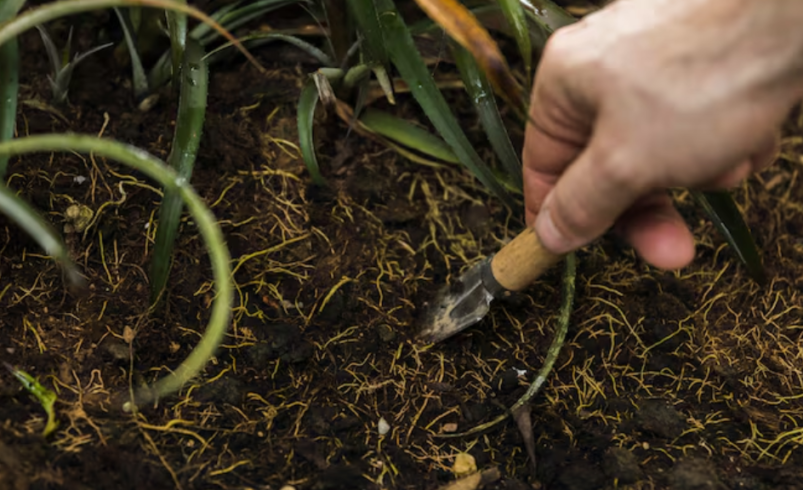
Aeration is the process of creating openings in compacted soil so that air, water, and nutrients can move more effectively into the root zone. Grass roots need access to oxygen, moisture, and nutrients to grow properly. When soil becomes tightly packed, these essential resources may have difficulty reaching the roots.
Compacted soil can develop for several reasons. Frequent foot traffic, children playing on the lawn, pets, outdoor activities, heavy equipment, and natural soil conditions can all contribute to compaction. Clay-heavy soils may be particularly susceptible to becoming dense over time.
Aeration helps relieve this compaction by opening pathways through the soil. This allows roots to access the resources they need while creating a healthier environment for new and existing grass plants.
Understanding Core Aeration
Core aeration is one of the most effective methods for improving compacted lawns. Instead of simply making small holes in the surface, a core aerator removes small plugs of soil from the lawn. These soil cores are distributed across the surface, leaving openings that allow air, water, and nutrients to penetrate deeper into the soil.
The openings created through core aeration can also provide more room for grass roots to expand. As the soil around the openings gradually settles, organic material from the removed cores can return nutrients to the lawn.
Core aeration can be particularly beneficial when a lawn experiences heavy traffic or shows signs of soil compaction. Areas that receive frequent use may have difficulty maintaining strong grass growth without periodic aeration.
Why Overseeding Matters
Overseeding involves distributing new grass seed throughout an existing lawn. Rather than completely removing the current turf, overseeding introduces additional grass plants into thin or declining areas. This can help improve lawn density, fill small bare patches, and create a more uniform appearance.
Grass naturally becomes thinner due to age, environmental stress, insects, disease, weather conditions, mowing practices, and regular use. Even when the existing grass remains healthy, adding new seed can help maintain a thick and attractive lawn.
A thicker lawn can also provide better coverage across the soil surface. New grass plants can help reduce the appearance of thin areas and contribute to a more consistent overall appearance.
The Benefits of Aeration and Overseeding Together
Aeration and overseeding are often most effective when performed as part of the same lawn-care process. Aeration creates openings in the soil, while overseeding introduces new grass seed. When these practices are combined, some of the newly applied seed can reach the soil more effectively.
This is one reason aeration and overseeding can be an excellent option for lawns that have become thin or compacted. Simply spreading seed over a hard, compacted surface may not provide ideal conditions for establishment. Aerating first creates pathways where seed can make better contact with the soil.
Good seed-to-soil contact is important for successful grass establishment. The newly seeded areas need appropriate moisture and suitable growing conditions to encourage germination and root development.
Signs Your Lawn May Need Aeration
Knowing when to aerate can help homeowners address lawn problems before they become more extensive. Several signs may indicate that soil compaction is affecting your lawn.
Water that pools or runs off instead of soaking into the soil can be one indication. A lawn may also feel unusually hard underfoot. Thin grass, weak growth, and areas that struggle despite proper watering may also suggest compacted soil.
Another common sign is heavy foot traffic. If certain areas of your lawn are consistently used for walking, recreation, pets, or outdoor activities, the soil may become compacted more quickly.
Core aeration can help address these conditions by removing small soil plugs and creating channels through the compacted layer.
Preparing for Overseeding
Successful overseeding starts with proper lawn preparation. The lawn should generally be mowed appropriately and cleared of excessive debris before seed is distributed. Good soil contact is essential, so thatch and other material that prevents seed from reaching the soil should be addressed when necessary.
After aeration, the lawn is often in a better condition for overseeding because the soil surface contains openings. Seed can settle into these areas, giving it improved contact with the soil.
Choosing an appropriate grass seed is also important. Different grass varieties perform differently depending on climate, sunlight, soil conditions, and lawn use. Selecting seed that matches the existing lawn and local growing environment can improve the chances of successful establishment.
Watering After Aeration and Overseeding
Water management plays an important role after overseeding. Newly planted grass seed needs adequate moisture to germinate, but excessive watering can create other problems.
The goal is generally to keep the seeded surface appropriately moist without creating prolonged standing water. As the new grass develops, watering practices can gradually be adjusted to encourage deeper root development.
Weather conditions should also be considered. Temperature, rainfall, sunlight, and humidity can all influence how quickly soil dries. Monitoring the lawn after aeration and overseeding helps ensure that newly planted seed receives the moisture it needs.
Supporting Long-Term Lawn Growth
Aeration and overseeding are not replacements for ongoing lawn maintenance. Once new grass becomes established, consistent care remains important. Proper mowing, watering, fertilization, and attention to weeds can help maintain the improvements achieved through the process.
Mowing too short can place unnecessary stress on grass plants, while inconsistent watering may weaken root development. A balanced lawn-care routine can help new and established grass remain healthy throughout the growing season.
It is also useful to monitor high-traffic areas. Sections of the lawn that experience frequent activity may require additional attention over time because repeated traffic can contribute to compaction.
Why Professional Lawn Care Can Help
Although homeowners can perform many lawn-care tasks themselves, aeration and overseeding require proper timing, equipment, and application techniques. Professional lawn-care providers can evaluate lawn conditions and determine whether compaction, thinning, poor soil conditions, or other issues are contributing to weak growth.
Professional equipment can also provide more consistent aeration across the lawn. Core aeration machines are designed to remove soil plugs efficiently, allowing larger lawn areas to be treated more effectively.
A professional approach can also help ensure that seed is distributed evenly and that the lawn receives appropriate preparation before and after treatment.
Creating a Thicker, Healthier Lawn
A thin or tired lawn does not always need to be completely replaced. In many situations, improving the soil and introducing new grass seed can make a meaningful difference. Aeration helps improve the growing environment below the surface, while overseeding adds new plants to areas that have lost density.
For lawns affected by compaction and thinning, core aeration and overseeding can work together as part of a practical lawn-renovation strategy. The aeration process opens the soil, while new seed takes advantage of improved soil contact and growing conditions.
With proper preparation, watering, mowing, and ongoing maintenance, the combination of core aeration and overseeding can help create a thicker and more attractive lawn. Whether your lawn has suffered from heavy foot traffic, compacted soil, or gradual thinning, these services can provide an effective step toward restoring its appearance and supporting healthier grass growth.