
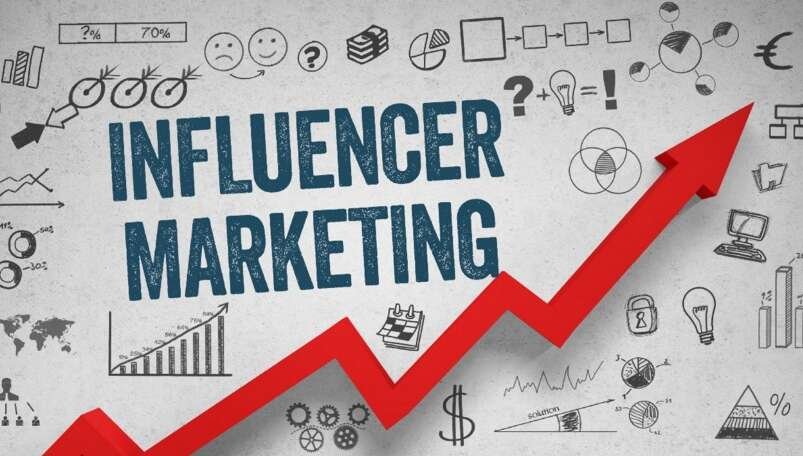

Influencer marketing has moved past the early “pay for a post, hope for sales” phase into something requiring genuine strategic thought — audience fit, campaign structure, and measurement that goes beyond vanity engagement numbers. This maturity is exactly why brands increasingly expect the best digital marketing agency in Delhi they work with to have a real influencer strategy framework, not just a list of contacts willing to post for a fee.
Influencer Marketing vs Affiliate Marketing: A Key Distinction
Influencer marketing and affiliate marketing overlap but aren’t identical — influencer campaigns often involve upfront payment for content and reach regardless of direct sales outcome, while affiliate arrangements are purely performance-based, paying only on verified conversions. Many successful brand relationships blend both models, starting with a paid collaboration and evolving into an ongoing affiliate-style partnership once genuine audience fit is proven.
Choosing the Right Influencer Tier
- Mega and macro influencers offer broad reach but often lower engagement rates and higher cost per genuine impression
- Micro-influencers typically deliver stronger engagement and more genuine audience trust, often at meaningfully lower cost per collaboration
- Nano-influencers can offer the highest engagement rates of all, particularly valuable for hyper-local or niche product categories
The right tier depends on campaign goals — broad awareness campaigns may justify larger influencers, while conversion-focused campaigns often perform better with smaller, more engaged creators genuinely trusted by their specific audience.
Building a Strategy Beyond One-Off Posts
- Define specific campaign goals — awareness, conversion, content generation — before selecting influencers, since the right creator profile differs by goal
- Prioritize genuine audience fit over follower count or generic reach metrics
- Build longer-term relationships with a smaller group of genuinely aligned creators rather than one-off transactional posts with a large, disconnected roster
- Provide creative freedom within brand guidelines, since overly scripted content typically underperforms genuine, creator-authentic content
- Track meaningful metrics — engagement quality, referral traffic, actual conversions — not just reach or impression counts
Common Influencer Marketing Mistakes
- Selecting influencers based purely on follower count without evaluating genuine audience overlap with your target customer
- Over-scripting content, producing posts that feel like obvious advertisements rather than authentic creator content
- Treating every collaboration as a one-off transaction rather than building longer-term relationships with genuinely aligned creators
- Failing to track meaningful performance metrics beyond surface-level engagement numbers
- Neglecting proper disclosure requirements, creating both legal and trust risks
Real-World Example
A Delhi-based beauty brand was running influencer campaigns with larger creators chosen primarily for follower count, seeing decent reach but minimal actual sales conversion. Shifting toward a smaller group of micro-influencers with genuinely engaged, niche beauty audiences — combined with providing creative freedom rather than heavily scripted content — produced meaningfully stronger conversion rates from a fraction of the previous campaign budget. MarketingBugs guided this shift specifically by prioritizing engagement quality data over raw reach numbers when selecting creator partners, since that data consistently predicted actual sales performance better than follower count ever did.
Measuring Influencer Campaigns Properly
Beyond immediate campaign metrics, tracking whether influencer-driven customers become repeat buyers provides a more complete picture of a campaign’s actual value than first-purchase conversion alone. A campaign generating loyal, repeat customers delivers meaningfully more long-term value than one generating an equivalent number of one-time, discount-driven purchases.
Coordinating Influencer Marketing With Broader Strategy
Influencer content often performs well as paid social creative once organic performance is proven, extending its reach beyond the creator’s own following. The best digital marketing agency in Delhi builds this feedback loop directly into campaign planning, treating influencer content as a testing ground for what resonates before scaling the strongest performers through paid amplification.
Contracts and Expectations Worth Setting Upfront
Clear written agreements covering deliverables, usage rights for the content, exclusivity terms, and disclosure requirements prevent the most common sources of friction in influencer relationships. Brands that skip this step in favor of informal arrangements often find themselves renegotiating mid-campaign over details that a simple upfront agreement would have resolved before any content was produced.
Getting the Technical Side Ready
Influencer campaigns that drive traffic to an e-commerce store need that store to convert reliably — accurate inventory, fast page load, and a checkout experience that doesn’t lose the momentum a genuine creator recommendation built. A Shopify development services agency in Delhi ensuring your storefront is genuinely ready before a major campaign launch prevents a strong influencer partnership from being undermined by a slow or confusing checkout experience at the final step. This kind of pre-campaign readiness check is worth scheduling with a Shopify development services agency in Delhi at least a few weeks ahead of a planned launch, not the day before content goes live.
Expert Tips
- Prioritize genuine audience fit and engagement quality over follower count when selecting creators
- Provide creative freedom within brand guidelines rather than heavily scripting content
- Build longer-term relationships with a smaller group of genuinely aligned creators
- Track repeat purchase rate among influencer-driven customers, not just initial conversion
- Test strong-performing organic influencer content as paid social creative to extend its reach
When Whitelisting or Content Licensing Makes Sense
Some brands negotiate the right to run an influencer’s content as paid ads directly from the creator’s own account (a practice sometimes called whitelisting), which can outperform standard brand-account ads by preserving the creator’s authentic voice and existing audience trust signals. This arrangement typically requires separate negotiation and compensation beyond a standard content deal.
FAQ: Influencer Marketing Strategy
How is influencer marketing different from affiliate marketing? Influencer campaigns often involve upfront payment regardless of sales outcome, while affiliate arrangements are purely performance-based on verified conversions.
Should brands prioritize follower count or engagement rate when selecting influencers? Engagement rate and genuine audience fit typically predict campaign performance far more reliably than raw follower count alone.
Are micro-influencers actually more effective than larger influencers? Often yes, for conversion-focused goals specifically, given their typically stronger engagement rates and more genuine audience trust.
How do I measure influencer marketing ROI properly? Track referral traffic, actual conversions, and ideally repeat purchase rate among influencer-driven customers, not just reach or engagement numbers alone.
Do influencer partnerships require legal disclosure? Yes — sponsored content typically requires clear disclosure to comply with advertising standards, and reputable creators generally already follow these practices.
Conclusion
Influencer marketing works best as a deliberate strategy built on genuine audience fit and longer-term creator relationships, not a series of disconnected, follower-count-driven transactions. MarketingBugs builds influencer campaigns around engagement quality and measurable business outcomes, ensuring creator partnerships deliver genuine value beyond surface-level reach metrics.