
Product returns and exchanges are a normal part of selling physical goods, but they can create complications that extend beyond customer service. Returned merchandise may need inspection, repackaging, repair, or replacement before it can be sold again. Meanwhile, businesses must continue purchasing new products, paying suppliers, and meeting existing customer orders. When returns are poorly managed, usable inventory can sit idle while cash remains tied up in stock.
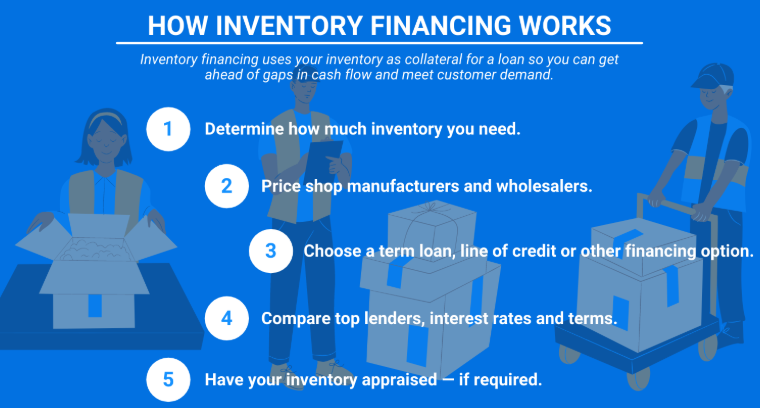
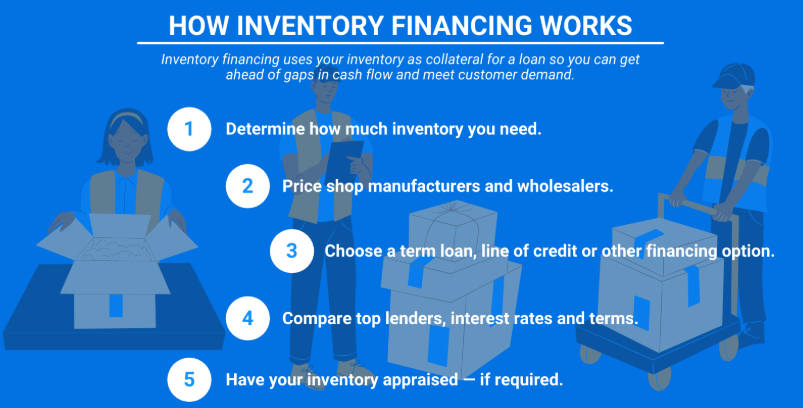
Businesses exploring Inventory Financing in Texas can benefit from understanding how returns management affects purchasing requirements and working capital. Depending on the provider’s terms and eligibility standards, inventory-related funding may help eligible companies manage certain stock purchases while they improve their processes for handling returned goods.
An effective returns strategy combines clear policies, accurate inventory records, efficient product inspections, and realistic financial planning. By treating returned merchandise as part of the overall inventory cycle, businesses can reduce waste, protect margins, and maintain better control over available resources.
Understanding the Financial Impact of Returned Merchandise
A returned product can affect a business in several ways. The company may need to refund the customer, pay return shipping costs, inspect the merchandise, and decide whether it can be resold. If the product cannot be returned to saleable condition, the business may also face a loss on the original purchase.
These expenses become more significant when returns accumulate or processing takes too long. A warehouse may contain products that technically belong to available inventory but cannot be sold until inspection is complete.
Businesses should track return rates, processing costs, refund amounts, and the percentage of products recovered for resale. Reviewing these figures helps managers identify recurring problems and estimate the financial resources needed to maintain normal operations while returned items are processed.
Creating a Clear Process for Receiving Returns
Returned products should follow a consistent process from the moment they arrive. Staff should record the return authorization, identify the product, document its condition, and assign it to an appropriate inspection area. This prevents returned items from being mixed with new merchandise before their status is confirmed.
The process should distinguish between products awaiting inspection, items approved for resale, goods requiring repair, and merchandise that must be written off. Clear labels and designated storage locations make these categories easier to manage.
Businesses should also establish reasonable processing targets so products do not remain untouched for extended periods. Faster decisions can help recover saleable stock sooner, reduce warehouse congestion, and improve the accuracy of inventory records. A consistent workflow also makes it easier to investigate missing items or disagreements about the condition of returned merchandise.
Determining Whether Returned Products Can Be Resold
Not every returned item needs to become a loss. Some products may be suitable for resale immediately, while others require cleaning, replacement packaging, testing, or minor repairs. The appropriate decision depends on product condition, safety considerations, customer expectations, and applicable requirements.
Inspection criteria should be established for each relevant product category. Electronics, for example, may require functional testing, while clothing may need checks for damage, stains, missing tags, or signs of use. Items that cannot be safely or accurately represented as new should not be returned to new-product inventory.
Businesses can also assess whether refurbished, open-box, or discounted resale channels are appropriate for certain goods. These alternatives may recover some value, provided the products meet relevant safety requirements and are described honestly to customers.
Identifying Patterns Behind Frequent Returns
High return rates can indicate problems that purchasing and warehouse adjustments alone will not solve. Products may arrive damaged, descriptions may be inaccurate, sizing information may be unclear, or customers may receive items that differ from what they expected.
Businesses should review return reasons by product, supplier, order type, and fulfillment location. If a particular item repeatedly arrives damaged, the company may need to investigate packaging standards or transportation practices. If customers frequently report that a product does not match its description, improving product information may reduce future returns.
Addressing the underlying cause can be more effective than simply processing each return individually. Fewer avoidable returns mean less handling, fewer replacement shipments, and potentially lower inventory costs. Over time, these improvements can help preserve the margin generated by each sale.
Keeping Inventory Records Accurate After Refunds and Exchanges
Returns can create discrepancies when the customer service system, warehouse records, and accounting records are not updated consistently. A refund may be issued before the product is inspected, or an exchange may be shipped before the returned item is received.
Businesses should define when each inventory and financial adjustment takes place. Returned merchandise should not automatically be counted as available stock until its condition has been verified. Similarly, replacement products and refunds should be recorded according to the company’s established accounting procedures.
Regular reconciliation can reveal differences between recorded quantities and physical stock. Accurate information helps purchasing teams avoid ordering products that are already available while preventing them from relying on merchandise that cannot yet be sold. This visibility is especially valuable when companies are evaluating additional funding for inventory purchases.
Balancing Replacement Stock With Returned Inventory
Exchange requests create a particular challenge because a business may need to send a replacement before it can inspect the returned product. Keeping enough replacement stock available can protect customer satisfaction, but maintaining a large reserve for every possible exchange may consume unnecessary capital.
Businesses should review historical exchange patterns to identify products that commonly require replacements. They can then determine appropriate reserve quantities based on demand, supplier lead times, and the consequences of delaying an exchange.
Where practical, companies may use a separate inventory allocation for replacement orders. This makes it easier to distinguish stock intended for new sales from merchandise reserved for customer service needs. Reviewing these allocations regularly helps prevent replacement inventory from becoming excessive or unavailable when it is genuinely needed.
Evaluating the Role of Inventory Financing
Returns can delay the point at which purchased goods generate their expected revenue. If a company must issue refunds, send replacement products, or reorder merchandise while returned items remain under inspection, its cash flow may become temporarily strained.
Inventory financing may be worth investigating when a business has a clear need to purchase saleable stock and expects the resulting inventory to support future revenue. Companies researching Inventory Financing in Texas should confirm how a particular arrangement treats inventory purchases, eligibility requirements, collateral, fees, and repayment obligations.
Financing should not be used to disguise persistent losses caused by excessive returns or poor product quality. Businesses should first estimate the cost of returns, examine expected sales, and determine whether the proposed inventory purchase is financially justified. Funding decisions are stronger when they address a specific operational requirement within a broader cash flow plan.
Reducing Warehouse Congestion and Handling Expenses
Unprocessed returns can occupy valuable space and complicate normal warehouse operations. When returned products are mixed with new stock, employees may spend more time locating saleable items, checking product condition, and correcting inventory discrepancies.
A dedicated returns area can make the process more organized. Businesses can establish separate locations for incoming returns, inspected merchandise, repair items, and products awaiting disposal or supplier credit. The arrangement should reflect the available space and the volume of returns received.
Staff training also matters. Employees should understand how to record condition, identify product defects, and update inventory status correctly. These measures reduce unnecessary handling and make it easier to recover usable products quickly. Better warehouse organization can improve efficiency without requiring an immediate investment in additional storage capacity.
Reviewing Supplier Agreements and Return Policies
Supplier return arrangements can influence how much financial risk a business carries when merchandise is defective, damaged, or unsuitable. Some agreements may specify return windows, restocking charges, packaging requirements, or procedures for requesting credit.
Businesses should understand these terms before placing substantial orders. If defective products are difficult or expensive to return, the purchasing team may need to consider supplier reliability more carefully. Documentation such as photographs, delivery records, and inspection reports can also support claims when goods arrive in unacceptable condition.
Customer-facing return policies deserve similar attention. Clear information about eligibility, time limits, product condition, and refund procedures can reduce confusion and help staff handle requests consistently. Policies should comply with applicable consumer protection requirements and be communicated accurately before customers complete a purchase.
Using Return Data to Improve Future Purchasing
Return information can become a useful planning resource when businesses review it alongside sales and inventory data. A product with strong sales but unusually high returns may not be as profitable as its revenue suggests. Another product with fewer returns may provide more predictable margins and require less customer service work.
Purchasing teams can use these findings when selecting suppliers, adjusting order quantities, and deciding which products deserve continued investment. They should also consider whether changes in packaging, product descriptions, quality checks, or shipping methods could reduce avoidable returns.
Hub City Lending is one resource businesses may explore while researching inventory funding options. Regardless of the financing provider considered, companies benefit from maintaining reliable records that explain how products move through purchasing, sales, returns, and replacement cycles.
Conclusion
Managing returns effectively requires more than issuing refunds and restocking merchandise. Businesses need a clear inspection process, reliable inventory records, consistent policies, and an understanding of how returned goods affect cash flow and profitability.
Companies considering Inventory Financing in Texas should evaluate their current returns process before deciding how much additional inventory funding they may need. Hub City Lending may be part of that research, but businesses should compare available terms carefully and ensure repayment obligations fit their financial position. By reducing avoidable returns and recovering usable stock efficiently, companies can preserve working capital and build a more dependable inventory operation.