

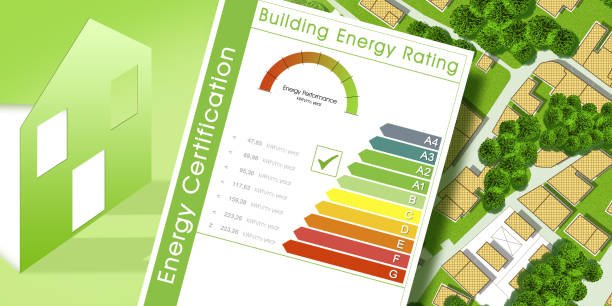

A non domestic energy performance certificate, commonly called a commercial EPC, provides information about the energy efficiency of a business or commercial property.
It is relevant to many offices, shops, warehouses, industrial buildings, and other non-residential premises. An EPC gives the building an energy efficiency rating and includes recommendations for improving its energy performance.
Understanding the requirements can help property owners, landlords, tenants, buyers, and businesses prepare for selling, renting, or constructing commercial premises.
What Is a Non Domestic Energy Performance Certificate?
A non domestic energy performance certificate measures the energy performance of a building that is not primarily used as a dwelling.
The certificate provides an energy efficiency rating from A to G, with A representing the highest efficiency and G the lowest. It also provides information about the building and recommendations for potential energy improvements.
The assessment considers features such as the building fabric, heating, ventilation, air conditioning, lighting, and other relevant systems.
When Is a Non Domestic EPC Required?
A commercial EPC is generally required when a qualifying non-domestic building is:
- Constructed
- Sold
- Rented out
An EPC can also be required when changes are made to separately occupied parts of a building involving fixed heating, air conditioning, or mechanical ventilation systems.
The exact requirements can depend on the type and use of the building.
Which Properties Can Need a Commercial EPC?
A non domestic EPC may apply to many different types of premises.
Offices
Office buildings can require an EPC when they are being sold or rented. The assessment considers the building’s construction and fixed energy systems.
Shops
Retail units can also require an EPC when they are offered for sale or rent.
Industrial Buildings
Some warehouses, factories, and industrial premises may require an EPC. However, certain low-energy industrial buildings and workshops can qualify for exemptions.
Commercial Units
Business units, mixed-use premises, and other commercial spaces can have different EPC requirements depending on how they are designed and occupied.
How Is a Non Domestic EPC Assessment Carried Out?
A non domestic EPC must be produced by an accredited non-domestic energy assessor.
The assessor examines the building and gathers information needed for the energy calculation. This can include building dimensions, construction materials, windows, heating systems, ventilation, cooling systems, lighting, and controls.
The assessment process can vary depending on the size, complexity, and type of property.
Property Inspection
The assessor normally needs to inspect the relevant parts of the building.
Existing plans and building information can help make the process more efficient, but the assessor may still need to verify information during the inspection.
Energy Assessment
The collected information is entered into the appropriate assessment methodology.
The resulting calculation determines the building’s energy performance rating.
Certificate Production
After the assessment, the EPC is lodged on the appropriate government register and a digital certificate is provided.
What Does an EPC Rating Mean?
A commercial EPC uses an A to G rating scale.
A higher rating generally indicates better energy efficiency, while a lower rating indicates greater potential for improvement.
The rating provides buyers and tenants with useful information when comparing commercial properties.
However, the rating does not measure every aspect of a building. It focuses on energy performance rather than general structural condition, safety, or maintenance.
How Long Is a Non Domestic EPC Valid?
A commercial EPC is generally valid for 10 years.
It can continue to be used during that period unless a newer EPC is produced for the same property. A new certificate is not automatically required every time a property changes tenant or ownership if a valid EPC already exists.
Property owners should check the existing certificate before arranging another assessment.
What Information Does a Commercial EPC Include?
A non domestic EPC can provide information about:
- Energy efficiency rating
- Building reference information
- Energy assessor details
- Date of issue
- Energy performance information
- Recommendations for improving efficiency
The accompanying recommendations can help property owners understand possible improvements to the building.
Does a Commercial Property Need to Display an EPC?
Not every commercial building has to display an EPC.
Display requirements generally apply where the building has a total useful floor area exceeding 500 square metres, is frequently visited by the public, and an EPC has already been produced for sale, rental, or construction.
The certificate should be displayed where the relevant requirements apply.
Non Domestic EPC and Commercial Property Rental
Energy performance can be important when renting commercial property.
Landlords should understand the energy efficiency requirements that apply to their property before offering it for rent.
Minimum Energy Efficiency Standards, commonly called MEES, can also apply to certain privately rented non-domestic properties. Where an exemption is available, the landlord may need to register it and provide supporting evidence.
The exact requirements can depend on the property and tenancy circumstances.
What Are the Exemptions?
Some buildings do not require an EPC when specific conditions are met.
Possible exemptions include:
- Certain listed or protected buildings
- Temporary buildings used for two years or less
- Places of worship
- Certain low-energy industrial buildings
- Certain workshops
- Some non-residential agricultural buildings
- Detached buildings under 50 square metres
- Certain buildings scheduled for demolition
The exemption rules can have specific conditions, so property owners should check the current requirements rather than assuming a building is exempt.
How Much Does a Non Domestic EPC Cost?
There is no single fixed price for a commercial EPC.
The cost can depend on factors such as:
- Building size
- Property type
- Building complexity
- Location
- Available plans
- Heating and ventilation systems
- Assessment requirements
Government guidance states that assessment costs vary according to the assessor and size of the property.
For an accurate price, the property details normally need to be provided to an accredited assessor.
How Can a Property Improve Its EPC Rating?
An EPC can include recommendations for improving energy efficiency.
Potential improvements may include:
Better Insulation
Improving insulation can reduce heat loss and improve the building envelope.
Efficient Heating
Upgrading older heating systems can potentially improve energy performance.
Improved Lighting
More efficient lighting systems can reduce electricity consumption.
Better Controls
Heating, cooling, and lighting controls can help reduce unnecessary energy use.
Not every recommendation will be suitable for every building. Property owners should consider cost, practicality, building use, and professional advice before making changes.
How to Prepare for a Commercial EPC Assessment
Property owners can make the assessment process easier by preparing relevant information.
Useful documents can include:
- Building plans
- Details of heating systems
- Equipment specifications
- Lighting information
- Previous EPCs
- Information about insulation
- Details of air conditioning or ventilation systems
Accurate building information can help the assessor complete the assessment efficiently.
Frequently Asked Questions
What is a non domestic energy performance certificate?
It is an energy efficiency certificate for qualifying commercial and other non-residential buildings.
Is a commercial EPC required when selling a business property?
An EPC is generally required when a qualifying non-domestic premises is sold, subject to applicable exemptions.
How long does a commercial EPC last?
A non domestic EPC is generally valid for 10 years unless a newer certificate is produced sooner.
Who can carry out a non domestic EPC?
The assessment must be completed by an appropriately accredited non-domestic energy assessor.
Does every commercial building need an EPC?
No. Certain buildings and situations can be exempt, including some temporary, protected, low-energy industrial, agricultural, and small detached buildings.
Can I check whether a property already has an EPC?
Yes. Government services allow property owners and others to check existing energy certificates where available.
Final Thoughts
A non domestic energy performance certificate provides useful information about the energy efficiency of commercial and other non-residential buildings.
It can be important when selling, renting, or constructing qualifying premises. The certificate also provides recommendations that can help property owners understand potential energy improvements.
Before arranging an assessment, check whether the property already has a valid EPC and whether any exemption applies. Using an appropriately accredited assessor can help ensure the assessment is completed according to the relevant requirements.